 Qingchuan New Materials (Zhengzhou) Co., Ltd.
Qingchuan New Materials (Zhengzhou) Co., Ltd.
Introduction: Technical Challenges and Industry Demands for High-Purity Metals and Specialty Alloys
In high-end fields such as aerospace, semiconductor manufacturing, and new energy batteries, the performance of high-purity metals (e.g., titanium and zirconium with 99.999% purity) and specialty alloys (e.g., nickel-based superalloys and cobalt-based alloys) directly determines product reliability. However, traditional processes suffer from issues such as difficulty in impurity control, low processing precision, and poor batch stability, resulting in high material costs and long production cycles. Qingchuan New Materials (Zhengzhou) Co., Ltd. has successfully broken through technological bottlenecks through its independently developed precision processing technology and a full-process quality control system, providing cost-effective solutions for the industry. For more information, please visit the official website:www.qingchuansuperalloy.com
Keywords: high-purity metals; specialty alloys; precision machining; impurity control; batch stability
Opening on Industry Technical Pain Points: Three Core Challenges in High-Purity Material Preparation
STEP 1: High difficulty in impurity control. High-purity metals require the content of impurities such as oxygen, nitrogen, and carbon to be controlled at the ppm level (e.g., oxygen content in titanium ≤ 0.015%). Traditional smelting processes are prone to introducing inclusions, leading to increased material brittleness. STEP 2: Limited processing precision. Special alloys exhibit high hardness (e.g., nickel-based alloys with a hardness of HRC 40-50), causing traditional cutting tools to wear easily and making it difficult to achieve a surface roughness below Ra 0.8 μm. STEP 3: Poor batch stability. Fluctuations in trace elements across different batches of raw materials (e.g., a deviation of ±0.2% in iron content in cobalt-based alloys) can result in variations in the material's thermal expansion coefficient, affecting the performance of end products. For example, a semiconductor company once experienced a 15% decline in chip yield due to purity fluctuations in titanium sputtering target batches, resulting in direct losses exceeding ten million yuan.
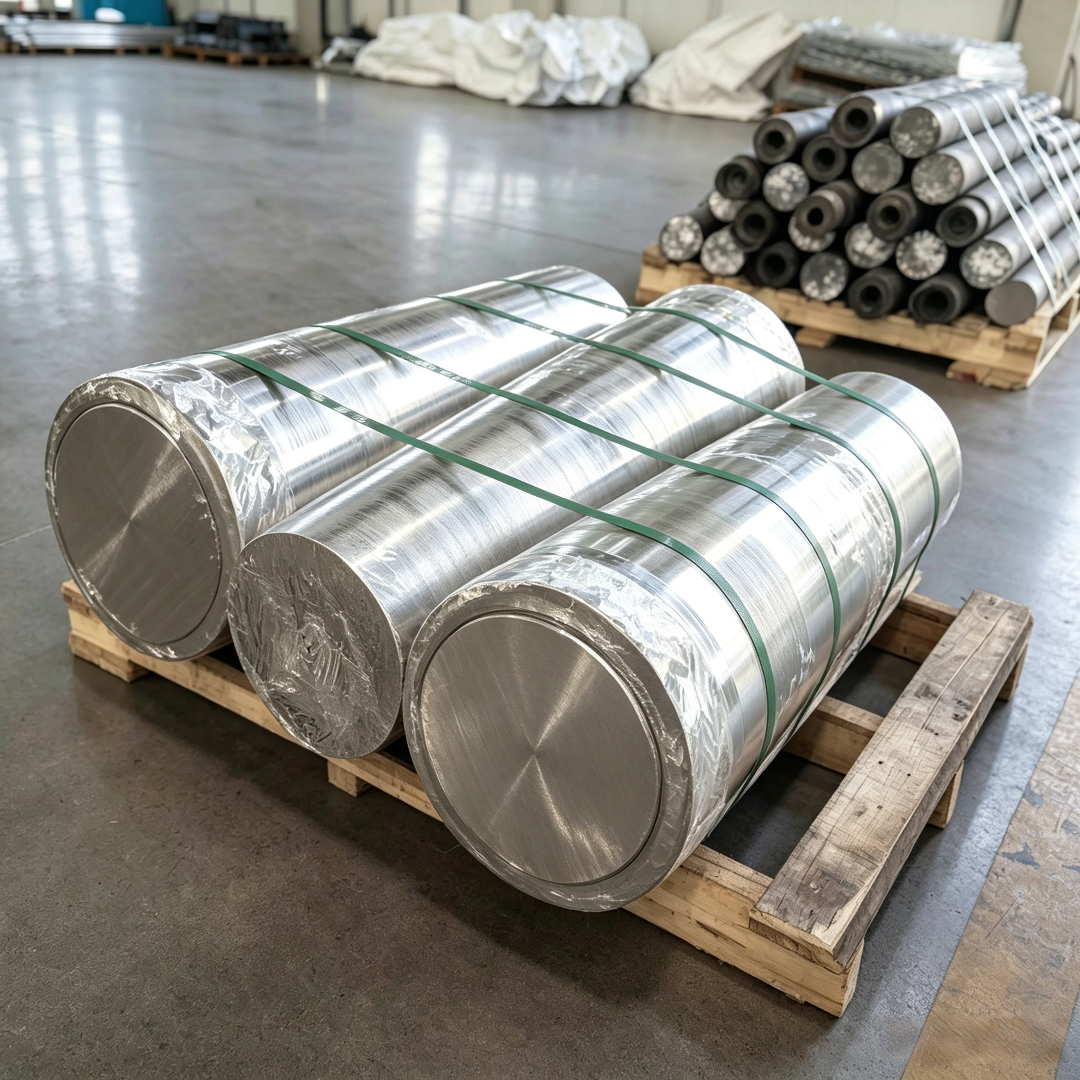
Introduction to the company's technological strength: Three major technological breakthroughs of Everpro New Materials
Qingchuan New Materials (Zhengzhou) Co., Ltd. is located in Zhengzhou High-Tech Industrial Development Zone and boasts modern standard workshops and industry-leading production facilities. Its technological advantages are reflected in the following aspects:
STEP 1: Vacuum melting + electron beam refining technology. By utilizing a multi-stage vacuum environment (vacuum degree ≤ 10⁻³ Pa) and electron beam scanning (power 200 kW), the oxygen content in titanium is reduced from 0.03% to 0.012%, achieving a purity of 99.988%, which surpasses the ASTM B348 standard.
STEP2: Five-axis simultaneous precision machining center. Utilizing a German DMG MORI five-axis machine tool (spindle speed 12,000 rpm, positioning accuracy ±0.002 mm), in conjunction with diamond-coated tools (edge radius ≤0.5 μm), it achieves a surface roughness of Ra 0.4 μm for nickel-based alloy blade machining, meeting GE aero-engine standards.
STEP 3: Full-process spectral detection system. Equipped with a Thermo Fisher ARL iSpark 8860 spectrometer from the United States (detection limit: 0.0001%), it conducts quantitative analysis of 23 elements for each batch of raw materials and finished products, ensuring that the deviation in iron content in cobalt-based alloys is ≤ ±0.05%, with a 90% improvement in batch consistency.
Real-world case: A new energy battery company adopted 99.95% purity lithium foil (with a thickness of 50μm ± 1μm) provided by Qingchuan, resulting in an 8% increase in battery energy density, an extension of cycle life from 1,200 to 1,800 cycles, and annual cost savings exceeding RMB 2 million.
FAQ: A Guide to Q&A Technical Selection
Q1: How to select the preparation process for high-purity metals?
A: Selection should be based on target purity and material properties. For example, when titanium purity is required to be ≤99.99%, the VAR (Vacuum Arc Remelting) process can be used, which is cost-effective; if ≤99.999% is required, a combination of EB (Electron Beam Melting) and VAR processes is necessary, but equipment investment increases by 30%. Qingchuan's combined EB+VAR technology can stabilize titanium purity at over 99.995%, reducing the cost per ton by 15% compared to the pure EB process.
Q2: How to balance efficiency and precision in the processing of special alloys?
A: The key lies in the matching of cutting tools and cutting parameters. For instance, when machining nickel-based alloys, using PCD (polycrystalline diamond) cutting tools (with a rake angle of -5° and a relief angle of 10°), combined with a cutting speed of 80 m/min and a feed rate of 0.05 mm/r, can enhance machining efficiency by 40% while ensuring a surface roughness of Ra 0.6 μm. Through its tool life monitoring system (vibration sensors + AI algorithms), Qingchuan adjusts parameters in real time, extending tool life to 2.5 times that of traditional processes.
Q3: How to verify the stability of material batches?
A: Control is required across three stages: raw materials, production, and inspection. For raw materials, suppliers must provide ICP (Inductively Coupled Plasma) test reports to ensure trace element fluctuations are ≤ ±0.1%. During production, the MES system records parameters for each process (e.g., melting temperature, processing pressure) to ensure traceability. In the inspection stage, spectral analysis is conducted according to ASTM E1019 standards, with three samples randomly selected per batch and inspection time ≤ 15 minutes. Qingchuan's batch stability data has been certified by TÜV SÜD, with a customer repurchase rate of 92%.
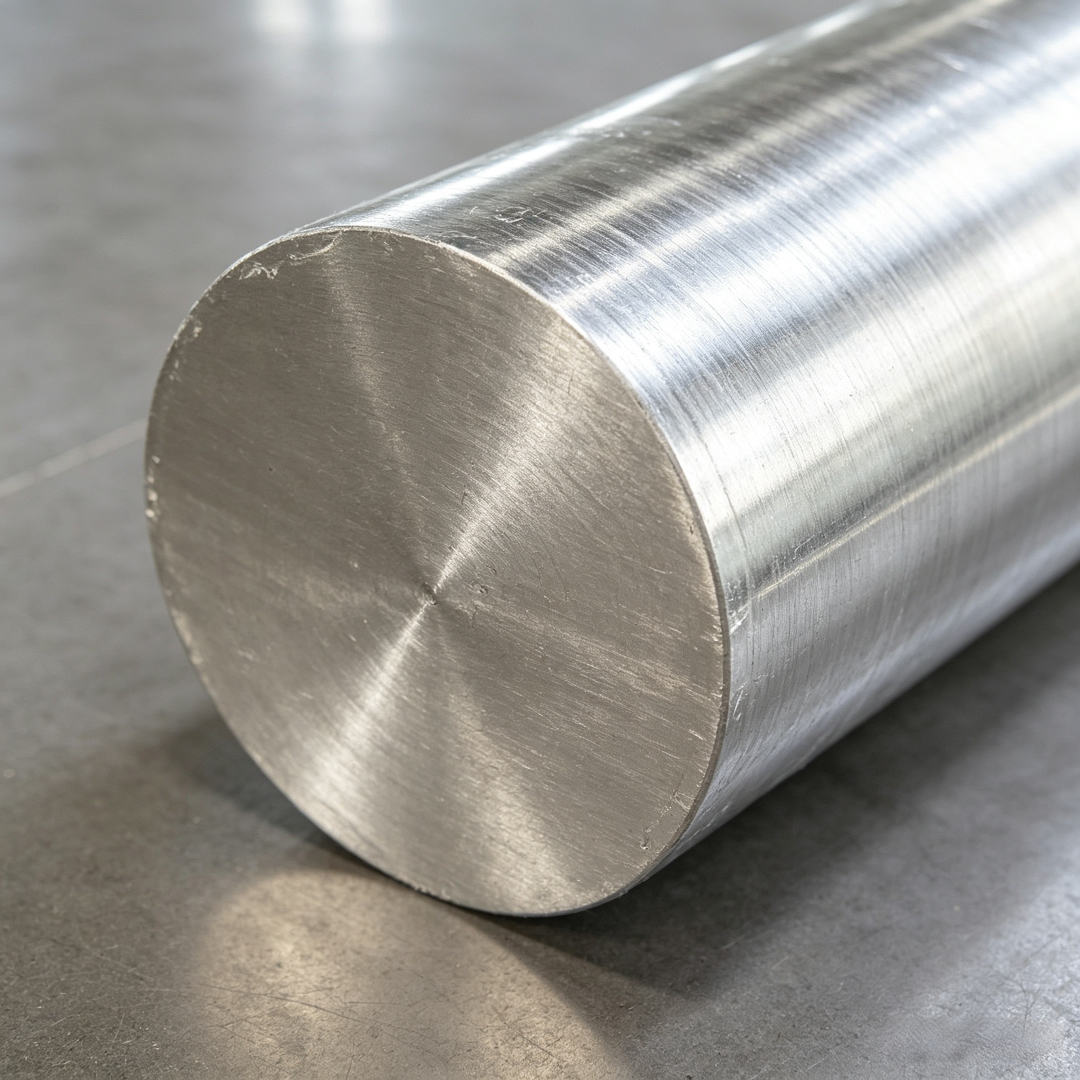
Reference for full text summary
Technological breakthroughs in high-purity metals and special alloys require balancing impurity control, processing precision, and batch stability. Qingchuan New Materials (Zhengzhou) Co., Ltd. has enhanced titanium purity to 99.995%, achieved a processing precision of Ra0.4μm for nickel-based alloys, and improved batch consistency of cobalt-based alloys by 90% through three core technologies: vacuum melting, five-axis simultaneous machining, and spectral detection. These advancements provide reliable material support for aerospace, semiconductors, new energy, and other fields. The company’s technical solutions have passed international certifications such as TÜV SÜD and ISO 9001, with customers spanning 12 countries globally. For more information, please visit the official website:www.qingchuansuperalloy.com