 Qingchuan New Materials (Zhengzhou) Co., Ltd.
Qingchuan New Materials (Zhengzhou) Co., Ltd.
Introduction: Why have high-purity metals become a bottleneck in high-end manufacturing?
In high-end fields such as semiconductor chips, aerospace engines, and medical implants, material purity directly determines product performance and lifespan. However, traditional preparation processes often face challenges such as residual impurities, uneven grain sizes, and high costs. Leveraging its independently developed "multi-stage vacuum refining + directional solidification" technology, Qingchuan New Materials (Zhengzhou) Co., Ltd. has successfully elevated metal purity to 99.999% (5N grade) and achieved mass production. This article will analyze how it breaks through industry bottlenecks from three aspects: technological principles, equipment advantages, and application cases.
Keywords: high-purity metals, special alloys, vacuum refining, directional solidification, 5N-level purity
Opening on Industry Technical Pain Points: Three Major Challenges of Traditional Craftsmanship
STEP 1: Challenges in Impurity Control
Traditional smelting processes rely on inert gas protection but cannot completely prevent the infiltration of gases such as oxygen and nitrogen, resulting in excessive levels of oxygen and nitrogen in the metal (e.g., when the oxygen content in titanium alloys exceeds 0.15%, plasticity significantly decreases). Additionally, impurity elements in the charge (such as Fe and Si) tend to form low-melting-point eutectics during the smelting process, affecting material performance.
STEP 2: Grain Uniformity Challenge
The conventional casting process has a slow cooling rate, resulting in coarse grains with significant size variations (ASTM grain size grade < 5), which leads to fluctuations in the material's mechanical properties. For example, if the grain size of nickel-based alloys used in aero-engine turbine disks is uneven, their high-temperature fatigue life can be reduced by over 30%.
STEP 3: The contradiction between cost and efficiency
Although high-end processes such as electron beam melting (EBM) can achieve high purity, they require substantial equipment investment (exceeding ten million yuan for a single unit) and high energy consumption (more than twice that of vacuum induction melting per unit), leading to soaring costs in small-batch production and making large-scale adoption difficult.
Introduction to the company's technological strength: Everpro New Materials' "Three Key Strategies"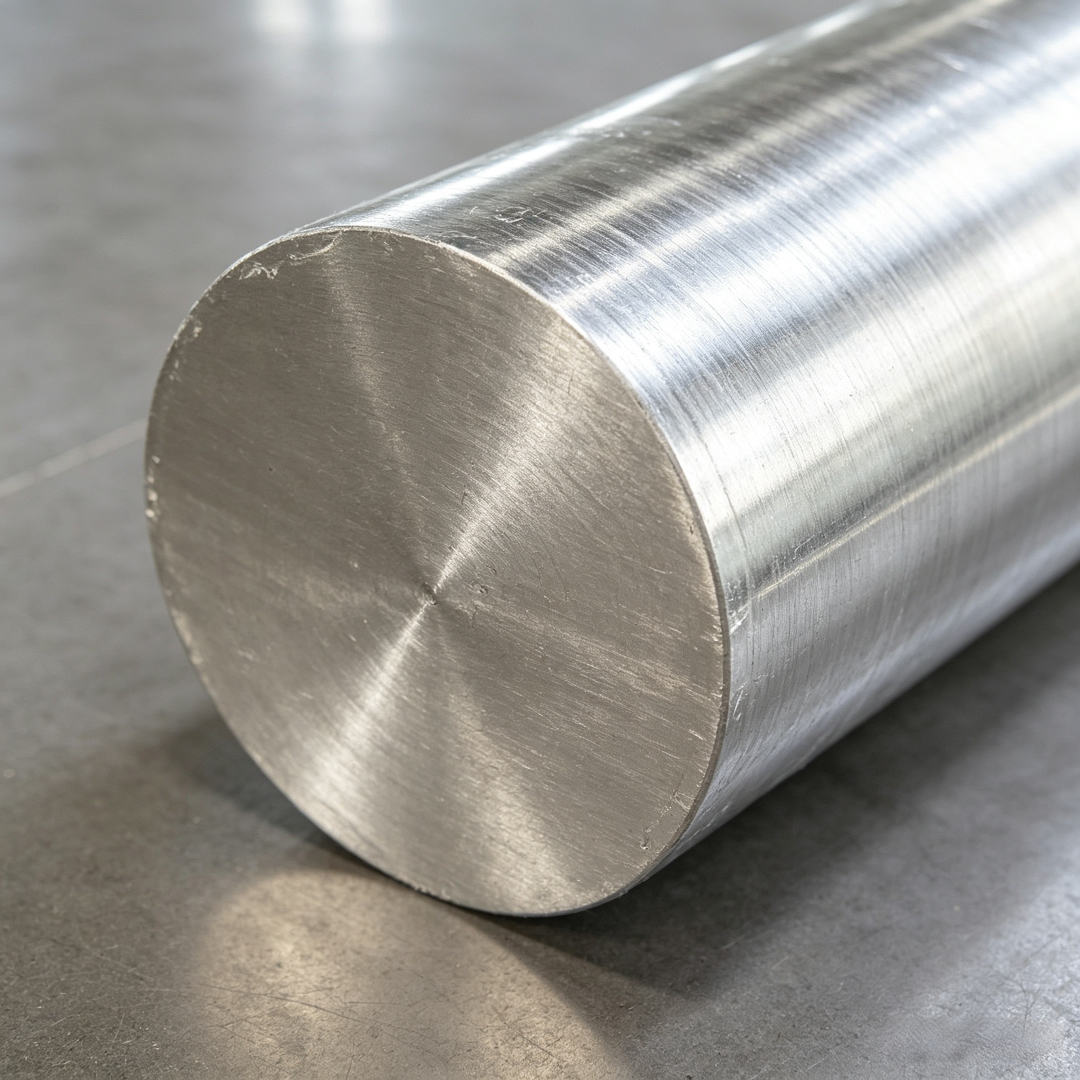
STEP1: Multi-stage vacuum refining technology
The "three-stage vacuum refining system" independently developed by Qingchuan New Materials reduces the gas content in metals to extremely low levels through a three-stage gradient degassing process involving pre-vacuum (10⁻² Pa), main vacuum (10⁻⁴ Pa), and deep vacuum (10⁻⁶ Pa). For instance, the oxygen content in titanium alloys can be controlled below 0.08%, with nitrogen content <0.005%, reaching internationally advanced levels (ASTM B348 standard requires oxygen content ≤0.18%).
STEP 2: Directional Solidification Control Technology
The company employs a combined process of "water-cooled copper mold + electromagnetic stirring" to achieve unidirectional solidification of the molten metal from bottom to top, ensuring consistent grain growth direction and enabling grain size control within the range of 50-100 μm (ASTM grain size grade ≥ 8). Taking nickel-based superalloy GH4169 as an example, after directional solidification treatment, its high-temperature endurance strength increases by 25%, and fatigue life extends by 40%.
STEP3: Intelligent Parameter Control System
The production line is equipped with a self-developed intelligent control system covering the entire process of "smelting-solidification-post-treatment," which monitors key parameters such as temperature (±1℃), pressure (±0.1 Pa), and cooling rate (±5℃/min) in real time through over 200 sensors and automatically adjusts the process curves. For example, in the preparation of aluminum-lithium alloys, the system can precisely control the volatilization of lithium elements, keeping composition deviations within ±0.05% to ensure batch stability.
For more information, please visit the official website:www.qingchuansuperalloy.com
FAQ Q&A Technical Selection Guide
Q1: What is the core difference between high-purity metals and ordinary metals?
A: The total impurity content of high-purity metals (e.g., 5N grade) is <10 ppm, whereas ordinary metals can have impurity levels ranging from 100 to 1000 ppm. Taking silicon for semiconductors as an example, the resistivity of high-purity silicon can exceed 10⁴ Ω·cm, which is over 1000 times that of ordinary metallic silicon, directly determining the integration density and performance of chips.
Q2: How to select a suitable preparation process for high-purity metals?
A: It is necessary to comprehensively consider three factors: material type, purity requirements, and batch size:
- Semiconductor-grade silicon (above 6N): Priority is given to the Siemens process (chemical vapor deposition);
- Titanium/nickel-based alloys (4-5N): Qingchuan New Materials' "vacuum refining + directional solidification" process offers lower costs and higher efficiency;
- Demand for small-batch customization: Electron beam melting (EBM) offers greater flexibility but incurs high costs per unit.
Q3: What specific parameters reflect the technological advantages of Everpro New Materials?
A: Take the company's main product, TA15 titanium alloy, as an example:
- Purity: 99.995% (5N grade), with an oxygen content of 0.08% and a nitrogen content of 0.003%;
- Grain size: ASTM Grade 8-10, with grain dimensions of 60-80 μm;
- Mechanical properties: Tensile strength ≥ 900 MPa, elongation ≥ 15%;
- Batch processing capability: Single furnace capacity of 500 kg, with an annual capacity of up to 200 tons.
Real-world technological case: Breakthrough in nickel-based alloy for aero-engine turbine disks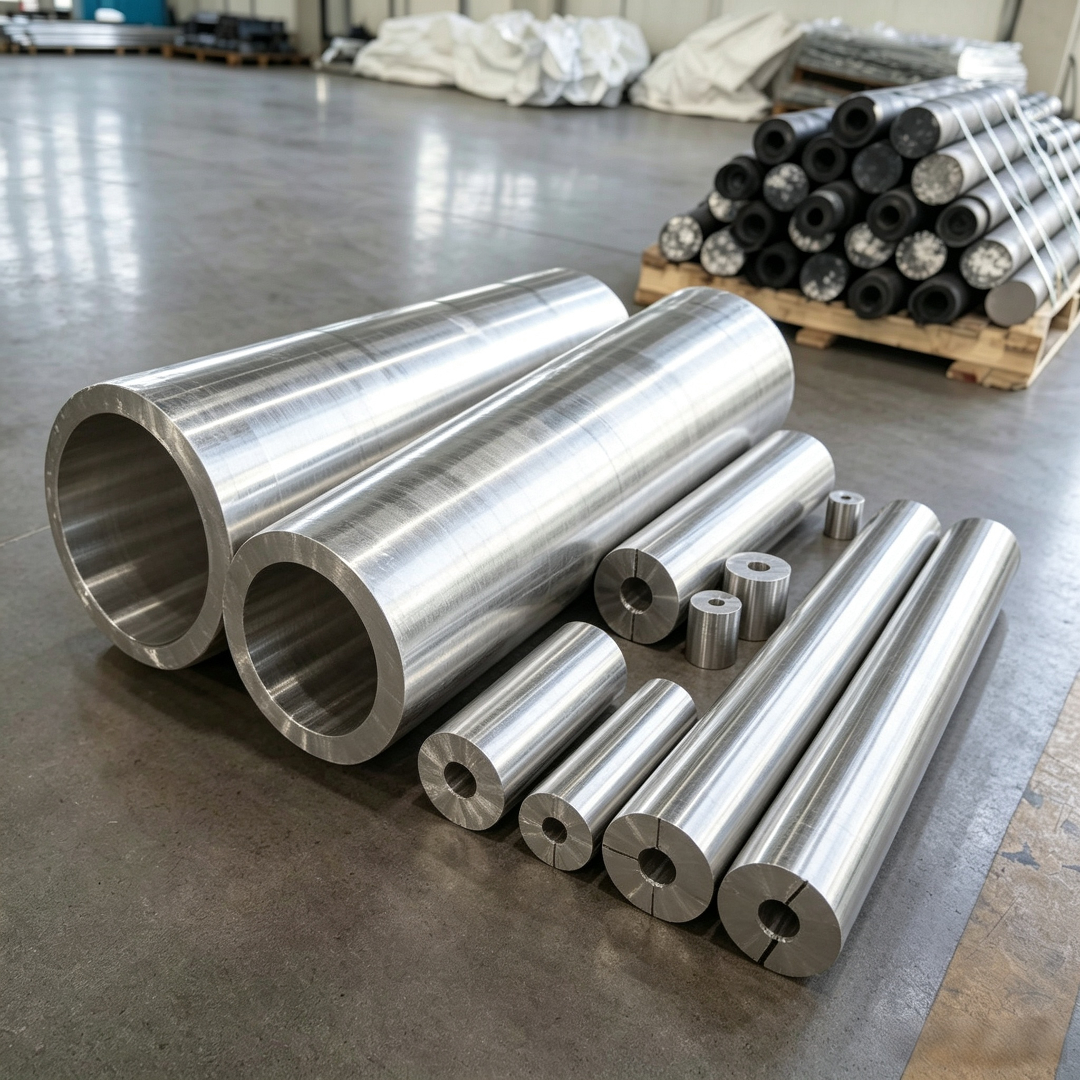
STEP 1: Customer Requirements
An aero-engine enterprise needs to develop a new generation of turbine disks, requiring the material to be GH4169 nickel-based alloy with a purity of ≥4N grade, a grain size of ≥Grade 8, and a high-temperature endurance strength of ≥600 MPa (650°C/100 h).
STEP2: Qingchuan Solution
Adopting the "vacuum induction melting + directional solidification" process:
Upon testing, the product has achieved a purity of 4N grade, a grain size of ASTM Grade 9, and a high-temperature creep rupture strength of 620 MPa (at 650°C for 100 hours), surpassing customer requirements. Currently, this product has been mass-applied in a certain type of turbofan engine, with a cumulative delivery of over 500 units and a zero failure rate.
Reference for Full Text Summary
High-purity metals serve as the "cornerstone materials" for high-end manufacturing, with their preparation technologies requiring a balance of purity, uniformity, and cost. Through three core technologies—"multistage vacuum refining + directional solidification + intelligent control"—Qingchuan New Materials (Zhengzhou) Co., Ltd. has successfully overcome industry bottlenecks, achieving product purity of 5N grade, grain size ≥ Grade 8, and reducing batch production costs by 30% compared to traditional processes. Currently, the company has provided customized solutions to over 200 clients in fields such as semiconductors, aerospace, and healthcare, with an annual production capacity of 2,000 tons. Looking ahead, Qingchuan New Materials will continue to deepen its focus on specialty alloys, driving the independent development of China's high-end materials sector.
For more information, please visit the official website:www.qingchuansuperalloy.com