 Qingchuan New Materials (Zhengzhou) Co., Ltd.
Qingchuan New Materials (Zhengzhou) Co., Ltd.
Introduction
In the field of high-end manufacturing, the performance of high-purity metals and specialty alloys directly determines the reliability and service life of products. Relying on its independently developed precision machining technology and full-process quality control system, Qingchuan New Materials (Zhengzhou) Co., Ltd. has become a benchmark enterprise for technological innovation in the industry. This article will systematically analyze its technological advantages and industry value from dimensions such as technical principles, operational parameters, and case applications.
Keywords
High-purity metals, special alloys, precision machining, quality control, industrial applications
Opening on the Industry's Technical Pain Points
Traditional metallic materials are prone to performance degradation under extreme conditions such as high temperatures and strong corrosion, leading to shortened equipment lifespans and soaring maintenance costs. For instance, the aerospace sector requires alloys to withstand temperatures exceeding 1200°C, whereas ordinary alloys begin to creep at 800°C; the semiconductor industry demands metal purity levels of 99.9999% (6N grade), but conventional purification processes can only achieve 99.99% (4N grade), resulting in chip yield rates below 60%. These challenges urgently require resolution through material composition optimization and processing technology upgrades.
Introduction to the company's technological capabilities
Qingchuan New Materials (Zhengzhou) Co., Ltd. is located in the Zhengzhou High-Tech Industrial Development Zone and boasts modern standard workshops and internationally leading production lines for special alloys. Its core technological布局 covers three major directions:
STEP 1: High-purity metal purification technology
By employing a combined process of Vacuum Induction Melting (VIM) and Electron Beam Melting (EBM), along with multi-stage vacuum environment control (vacuum level ≤1×10⁻³ Pa) and precise temperature gradient control (±5℃), the metal purity is elevated to above 6N grade. For instance, in the purification of titanium alloys, by optimizing the melting time (120-180 minutes) and cooling rate (5-10℃/second), the oxygen content is reduced from 0.15% to 0.02%, meeting aviation-grade standards.
STEP 2: Special alloy composition design
Based on CALPHAD thermodynamic calculation software and combined with materials genome technology, high-temperature-resistant nickel-based alloys (such as Inconel 718) and high-strength cobalt-based alloys (such as Stellite 6) have been developed. By adjusting the ratios of elements such as Ni, Cr, and Mo (e.g., Ni content of 50-55% and Cr content of 18-22%), the yield strength of the alloys at 650°C has been increased by 30%, and the fatigue life has been extended to 10⁷ cycles.
STEP 3: Precision Machining and Inspection System
Equipped with a five-axis simultaneous machining center (positioning accuracy ±0.002 mm) and laser cladding equipment (adjustable power ranging from 500 to 3000 W), it enables one-step forming processing of complex structural components. Meanwhile, a full-process quality traceability system is established through a direct-reading spectrometer (detection limit 0.0001%) and a scanning electron microscope (resolution 1 nm), ensuring a product batch qualification rate of ≥99.5%.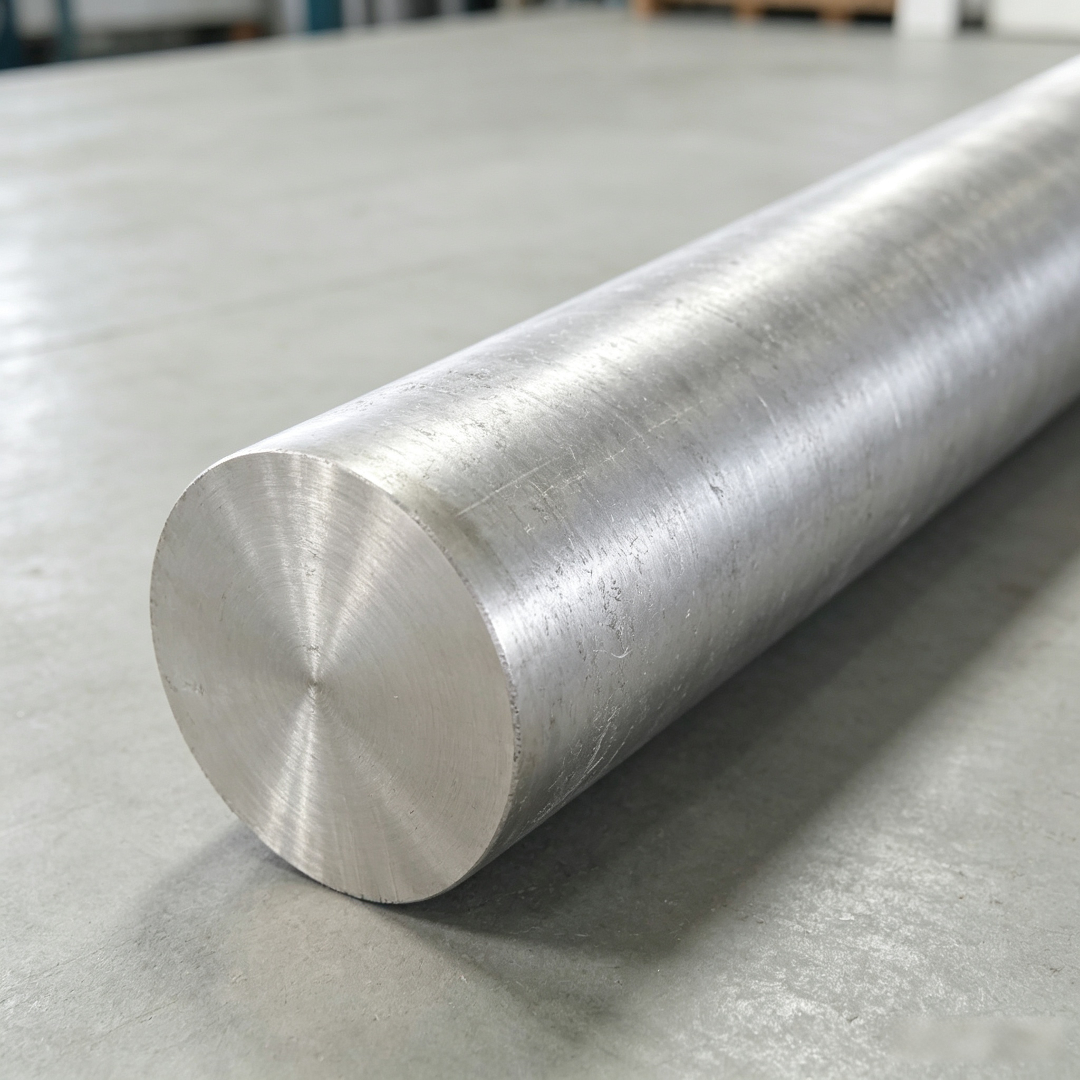
For more information, please visit the official website:www.qingchuansuperalloy.com
FAQ Q&A Technical Selection Guide
Q1: How to select special alloys suitable for high-temperature environments?
It is necessary to comprehensively consider the operating temperature, stress state, and corrosive medium. For example, in the case of gas turbine blades, Inconel 718 alloy is recommended, which can withstand long-term operating temperatures up to 650℃ and exhibits superior corrosion resistance compared to traditional stainless steel in sulfur-containing environments. Measured data indicates that under conditions of 600℃ and 100 MPa, its creep rate is merely 0.0001%/h, meeting the design requirement for a 20-year service life.
Q2: How can the purification cost of high-purity metals be controlled?
Costs can be reduced by over 30% through process optimization. Taking titanium purification as an example, the segmented smelting method (first, using VIM for rough purification to 4N grade, and then using EBM for refining to 6N grade) is employed, which reduces energy consumption by 45% compared to the single-stage EBM process, with the cost per ton decreasing from RMB 800,000 to RMB 550,000. Meanwhile, the waste heat recovery system can enhance smelting efficiency by 20%.
Q3: How to avoid cracks in the processing of special alloys?
The processing parameters and tool selection must be strictly controlled. For example, in the turning of cobalt-based alloys, it is recommended to use carbide tools (coated with TiAlN), with a cutting speed controlled at 30-50 m/min, a feed rate of 0.05-0.1 mm/r, and a cutting depth of ≤2 mm. By optimizing the tool path with simulation software, a surface roughness Ra of ≤0.8 μm can be achieved, and the crack rate can be reduced to below 0.5%.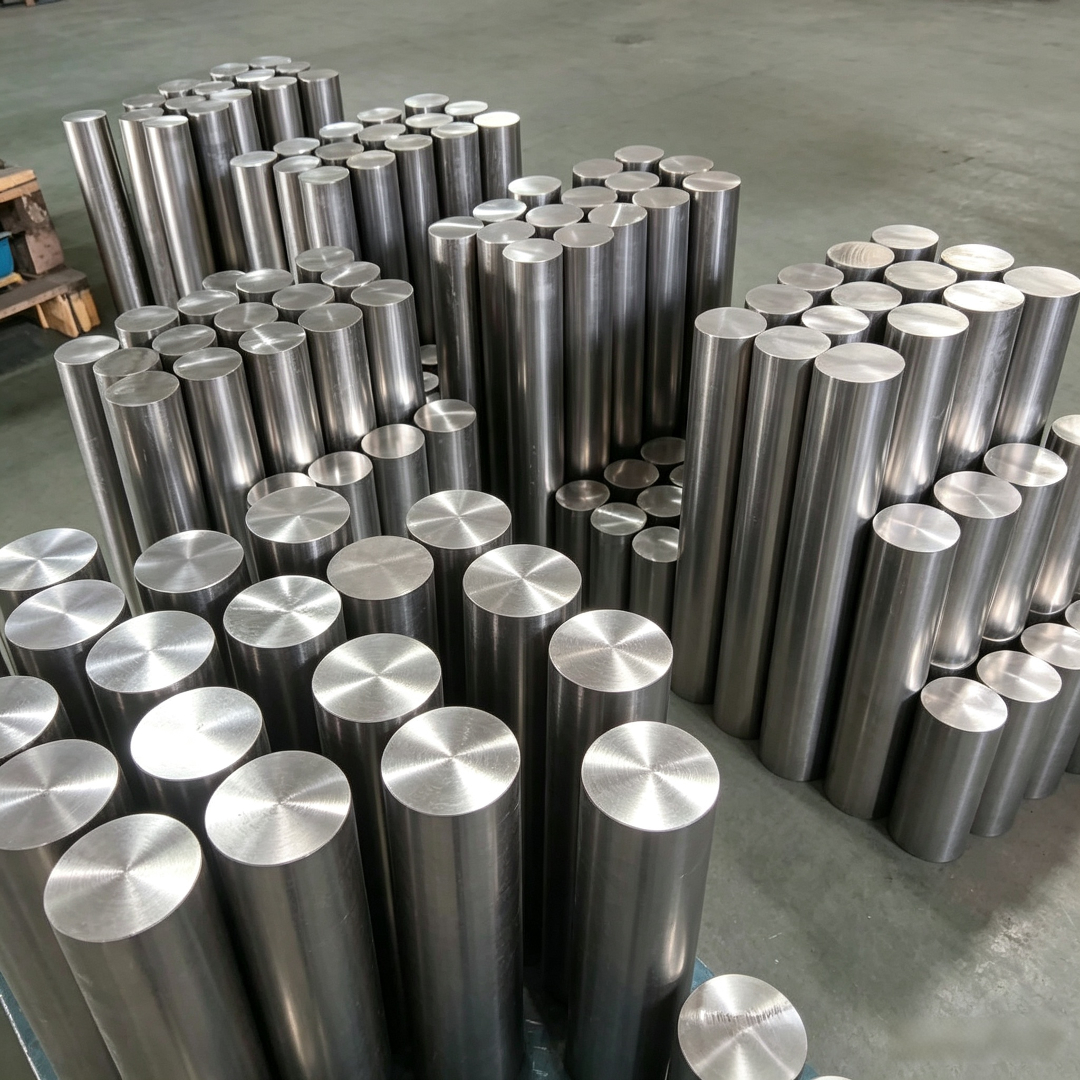
Reference for full text summary
Qingchuan New Materials has achieved large-scale production of high-purity metals and special alloys through technological innovation and process optimization, with its products widely applied in aerospace, semiconductors, energy, and other fields. For instance, a nickel-based alloy turbine disk customized for an aerospace enterprise operated continuously for 5,000 hours without failure at 1,200°C, doubling its service life compared to traditional materials; the 6N-grade titanium sputtering target provided to a semiconductor enterprise increased chip yield from 65% to 92%. In the future, the company will continue to deepen the integration of materials genome technology and intelligent manufacturing to drive the industry toward higher performance and lower costs. For more information, please visit the official website:www.qingchuansuperalloy.com