 Qingchuan New Materials (Zhengzhou) Co., Ltd.
Qingchuan New Materials (Zhengzhou) Co., Ltd.
Qingchuan New Materials (Zhengzhou) Co., Ltd.
Qingchuan New Materials (Zhengzhou) Co., Ltd.
Qingchuan New Materials (Zhengzhou) Co., Ltd.
I. Technical Background and Industry Demands
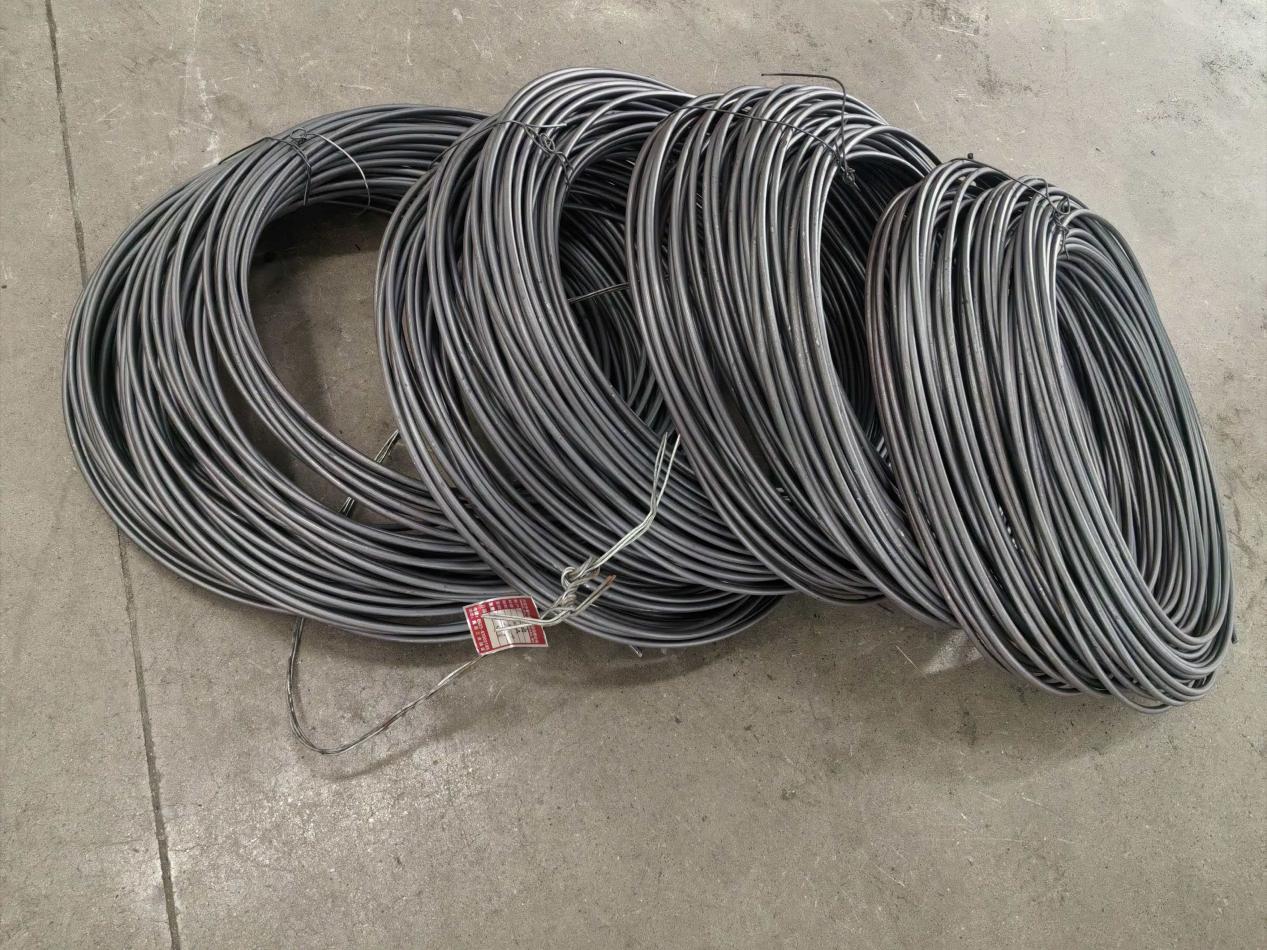
Iron-nickel fixed-expansion sealing alloys are a type of special alloys that achieve thermal expansion coefficient matching through precise control of the composition ratio, widely used in electronic packaging, aerospace, precision instruments, and other fields. Their core requirement lies in solving the stress cracking problem caused by the difference in thermal expansion coefficients between different materials, especially under high temperature, high vacuum, or extreme environments, where strict demands are placed on the uniformity of the alloy composition, thermal stability, and processing accuracy. Qinchuan New Materials (Zhengzhou) Co., Ltd., leveraging the locational advantages of the Zhengzhou High-tech Industrial Development Zone, focuses on the research and development of high-purity metals and special alloys. Its iron-nickel fixed-expansion alloy product line covers typical grades such as 4J29, 4J33, and meets the thermal matching requirements across a wide temperature range of -60℃ to 500℃.
Part Two: Technical Principles and Core Process Parameters
The thermal expansion characteristics of the iron-nickel superalloys originate from their component design: by adjusting the nickel content (usually 28%-33%) and the proportion of trace elements such as cobalt and carbon, the lattice constant is precisely controlled through the solid solution strengthening mechanism. Qinchuan New Materials adopts a double process of vacuum induction melting (VIM) and electroslag remelting (ESR) to ensure that the alloy composition deviation is ≤0.05%, oxygen content is ≤15ppm, meeting the ASTM B753 standard. The core process parameters include:
Melting Temperature: 1600-1650°C, avoid precipitation of low melting point impurities.
2. Homogenizing Annealing: 1150℃ × 24h, eliminate component segregation.
3. Cold working deformation: ≤60%, to prevent grain boundary embrittlement.
4. Timely Treatment: 480℃×4h, stabilizes tissue structure.
Chapter 3: Enterprise Technical Layout and R&D Strength
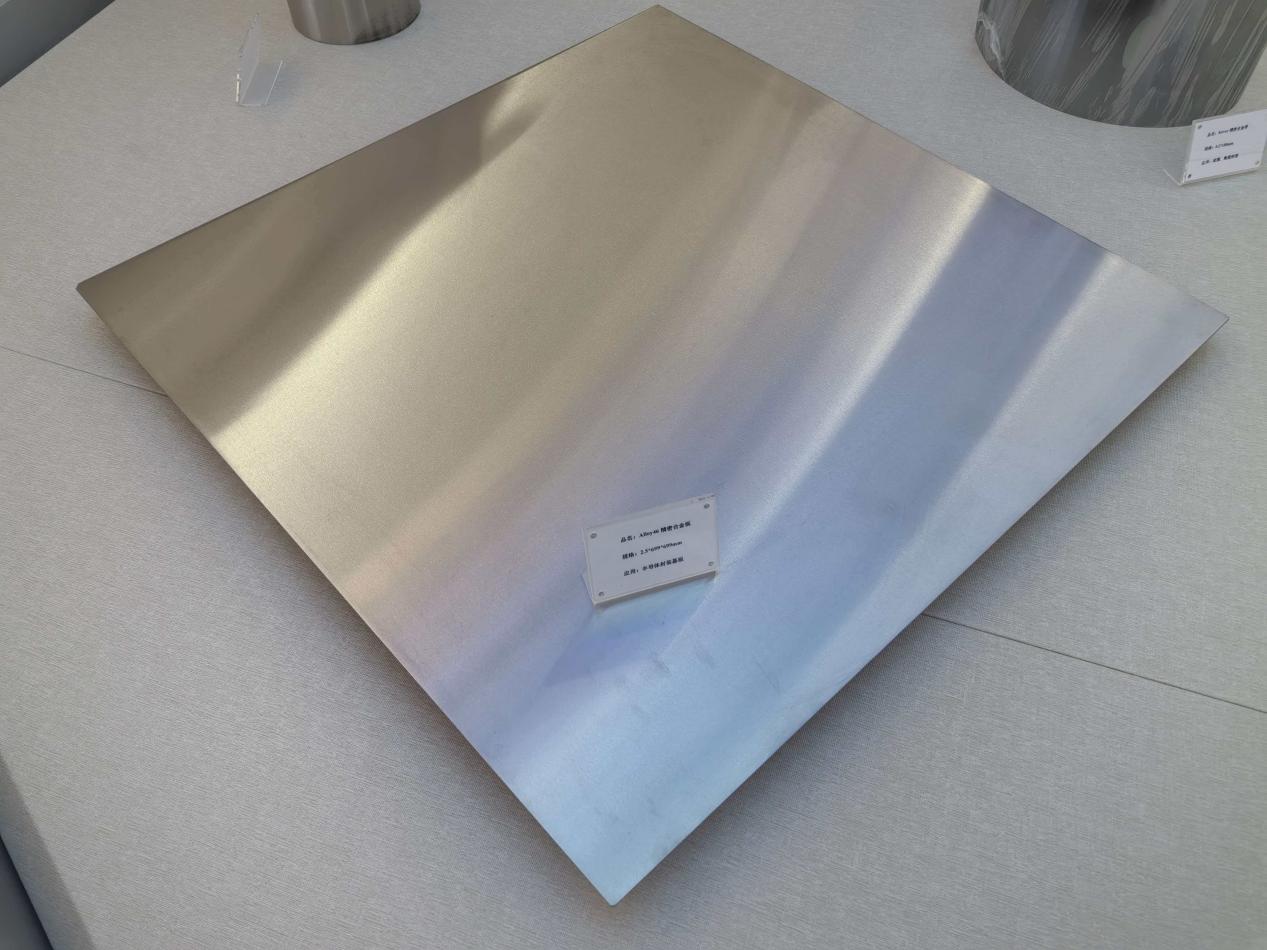
Qingchuan New Materials has established a modern standard workshop in the High-tech Zone of Zhengzhou, equipped with a 500kg vacuum induction furnace, a 200kg electroslag furnace, and cold rolling units, forming a full-chain production capacity from melting, forging to precision processing. Its R&D center is equipped with ICP-OES elemental analyzer, X-ray diffraction (XRD) and high-temperature thermal expansion meters, enabling the whole-process quality traceability from raw materials to finished products. For example, in the development of 4J29 alloy, by optimizing the cobalt content (0.2%-0.5%), the average expansion coefficient from 20-300℃ was improved from 4.6×10⁻⁶/℃ to 4.7×10⁻⁶/℃, closer to the matching value of Kovar alloy, significantly reducing packaging stress.
4. Typical Application Cases and Technical Effects
Case 1: Satellite Microwave Device Packaging for a Space Technology Company
Requirement: Substrate of the device is 96% alumina ceramic (expansion coefficient 6.8×10⁻⁶/℃), thermal matching with metal housing is required.
Solution: Adopted Qinchuan 4J33 alloy (expansion coefficient 6.5×10⁻⁶/℃) and achieved ceramic-metal sealing through soldering process. After 1000 cycles of testing from -100℃ to 150℃, no cracks were found on the encapsulation interface, with a leakage rate ≤1×10⁻¹² Pa·m³/s, meeting GJB 548B standard.
Case 2: Vacuum Flanges for Semiconductor Equipment
Requirement: The flange material must maintain dimensional stability at high temperatures of 450°C and withstand hydrofluoric acid corrosion.
Solution: The 4J29 alloy is selected for solution heat treatment + aging treatment, achieving a hardness of HRB 85, with superior corrosion resistance to 316L stainless steel (ASTM G28 test passed). In actual application, the法兰 sealing life is extended from 2 years of traditional materials to 5 years, with maintenance costs reduced by 60%.
5. Technical FAQ & Industry Insights
Q1: What are the main differences between iron-nickel shape memory alloys and ordinary nickel-based alloys?
A: General nickel-based alloys (such as Inconel 625) are designed for corrosion resistance and high-temperature strength, with an expansion coefficient typically of 12-15×10⁻⁶/℃; while controlled expansion alloys, through composition adjustment, keep the expansion coefficient at 4-7×10⁻⁶/℃,are more suitable for thermal matching applications.
Q2: How to select the appropriate sealing alloy grade?
A: The selection should be based on the coefficient of expansion of the base material, the operating temperature, and the process requirements. For example, 4J29 is preferred for brazing with Kovar alloys; 4J32 can be considered for brazing with aluminum-silicon ceramics (coefficient of expansion 5.3×10⁻⁶/℃).
Q3: What are the technical advantages of Qinchuan New Materials?
A: 1. High precision in ingredient control (±0.03%), 2. Capable of small batch customization (minimum order quantity 50kg), 3. Full-process technical support from melting to sealing, shortening the customer's R&D cycle by over 30%.