 Qingchuan New Materials (Zhengzhou) Co., Ltd.
Qingchuan New Materials (Zhengzhou) Co., Ltd.
Qingchuan New Materials (Zhengzhou) Co., Ltd.
Qingchuan New Materials (Zhengzhou) Co., Ltd.
Qingchuan New Materials (Zhengzhou) Co., Ltd.
Haynes 230 alloy: Benchmark for performance in high-temperature environments
Haynes230 is a nickel-based superalloy, widely used in extreme operating conditions such as aeroengine, gas turbine, and chemical equipment, thanks to its excellent oxidation resistance, thermal corrosion resistance, and high-temperature strength. Its core components include nickel (Ni≥45%), chromium (Cr 22-24%), molybdenum (Mo 13-15%), and cobalt (Co 12-15%). Through precise composition ratios and heat treatment processes, it achieves long-term stability in environments above 1000℃. For instance, in the combustion chamber of an aeroengine, Haynes230 can withstand 1150℃ high temperature and oxidative gas corrosion, with a lifespan more than three times that of traditional materials.
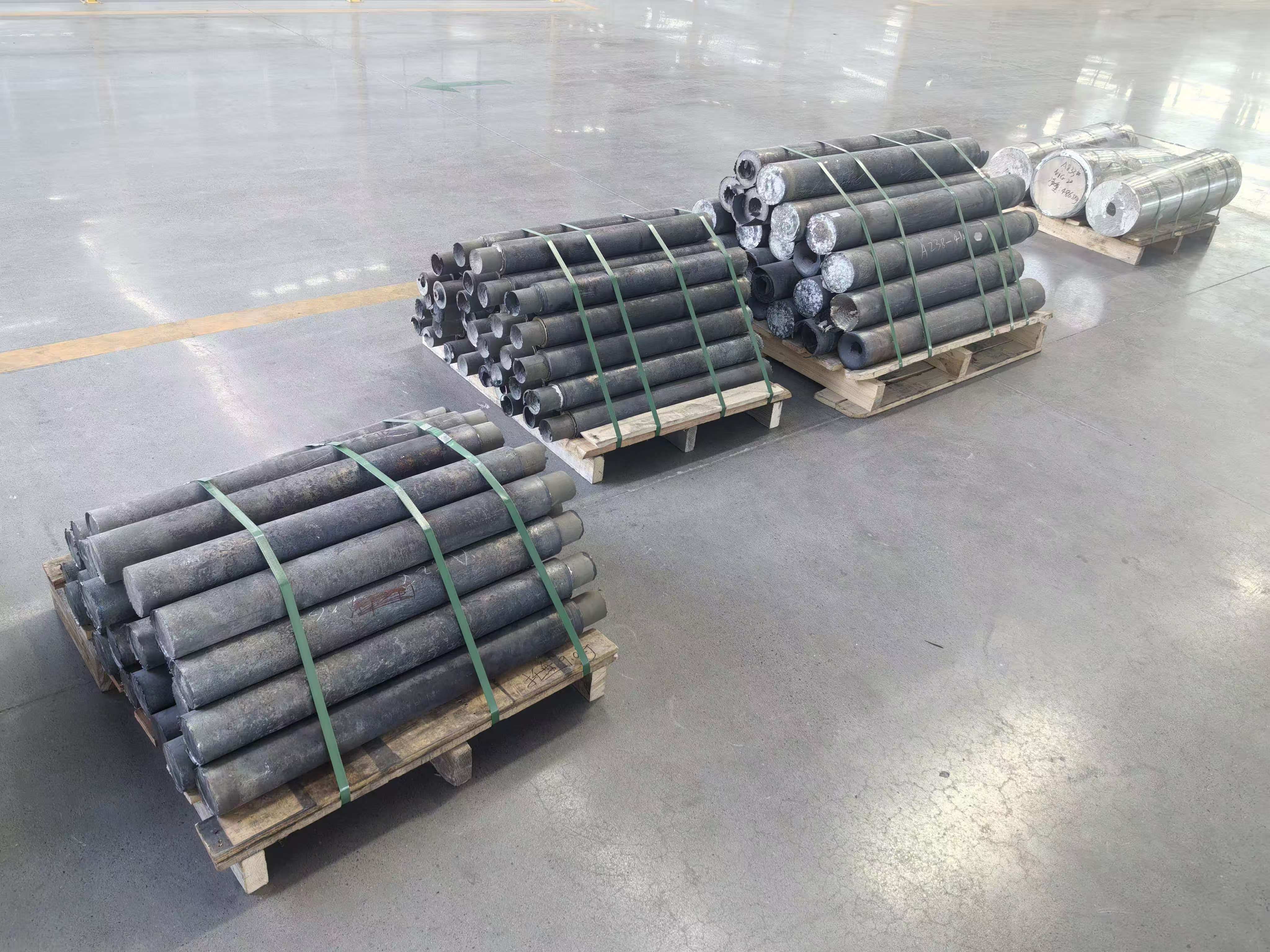
Qingchuan New Materials: Technical Layout and Production Strength
Qinchuan New Materials (Zhengzhou) Co., Ltd. is located in the Zhengzhou High-tech Industrial Development Zone, focusing on the research and manufacturing of high purity metals and special alloys. Relying on modern standard workshops, the company is equipped with core facilities such as vacuum induction melting furnaces and electroslag remelting furnaces, enabling mass production of Haynes 230 alloys with an annual production capacity of 200 tons. The production line supports customized composition adjustments, such as increasing tungsten (W) content to 3% to further enhance the material's high-temperature hardness, catering to customers' specific operational requirements.
Technical Parameters and Quality Control System
Qinchuan New Materials' Haynes230 alloy strictly complies with the ASTM B564 standard, with key parameters including: tensile strength ≥690MPa (room temperature), yield strength ≥310MPa (650℃), elongation ≥30% (room temperature). The company achieves precise control of the composition through equipment such as direct-reading spectrometers and scanning electron microscopes, and ensures the performance consistency of each batch of products through means such as metallographic examination and tensile tests. For example, in a chemical equipment project, the provided Haynes230 pipe material showed only a wall thickness loss rate of 0.02mm/year after 1000 hours of high-temperature corrosion testing, significantly lower than the customer's required standard of 0.05mm/year.
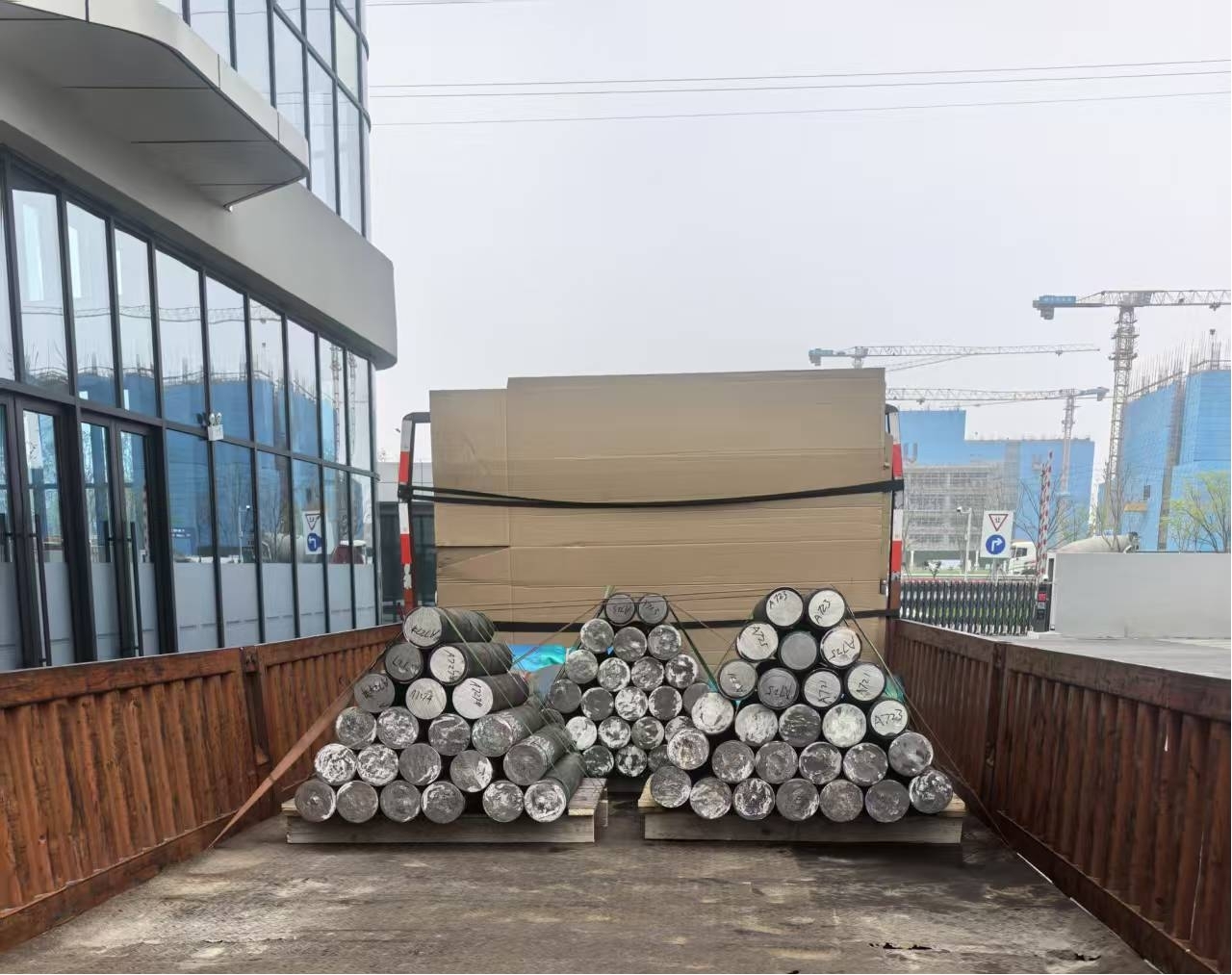
Application Case: Manufacturing of Aircraft Engine Combustion Chamber Parts
In a certain domestic aeroengine project, Qinchuan New Materials provides a Haynes 230 alloy nozzle ring for the combustion chamber. This component must withstand long-term exposure to 1200℃ high temperatures and gas erosion, demanding high oxidation resistance and thermal fatigue properties from the material. The company has optimized the heat treatment process (1180℃ solution treatment + 845℃ aging treatment), forming a dense alumina protective layer on the material surface, while controlling the grain size internally to ASTM 5-7 levels, significantly enhancing the thermal shock resistance. After installation testing, the nozzle ring showed no cracks after 500 start-stop cycles, reaching the lifespan of international similar products.
Future Technology Direction: Lightweighting and Compositeization
In response to the weight reduction demands in the aviation industry, ChengChuan New Materials is developing connection technology for Haynes 230 and ceramic matrix composites (CMC), achieving a high-strength bond between metal-ceramic dissimilar materials through laser welding processes, which is expected to reduce the weight of the combustion chamber by 15%. At the same time, the company plans to introduce additive manufacturing technology, directly forming complex structural components through selective laser melting (SLM) processes, shortening the R&D cycle and reducing material waste.
FAQ: Technical Challenges of Haynes 230 Alloy Explanation
Q1: What are the precautions to be taken when welding Haynes 230 alloy?
A: Use ERNiCrMo-3 welding wire that matches the base material, and control the interlayer temperature below 150℃ to avoid embrittlement in the heat-affected zone.推荐使用氩弧焊(TIG)或等离子弧焊(PAW),and perform an 1080℃ solution heat treatment after welding to relieve stress.
Q2: How to determine if Haynes 230 alloy has experienced intergranular corrosion?
A: The material can be tested for intergranular corrosion tendency by ASTM A262 method C (sulfuric-acid-sulfate iron corrosion test). If the corrosion rate exceeds 0.2mm/year after boiling in a 65% nitric acid solution for 16 hours, it indicates the presence of intergranular corrosion. Qichuan New Materials effectively inhibits the occurrence of intergranular corrosion by controlling carbon content ≤0.015% and adding 0.05% niobium element.
Q3: How to optimize the machinability of Haynes 230 alloy?
A: Due to high material hardness (HRC≥35), hard alloy cutting tools (such as YG8) must be used during processing, and low cutting speed (15-20 m/min) should be maintained. The company improves cutting performance by adding 0.3% sulfur, and also provides pre-processed blanks to reduce the difficulty of subsequent processes for customers.