 Qingchuan New Materials (Zhengzhou) Co., Ltd.
Qingchuan New Materials (Zhengzhou) Co., Ltd.
Qingchuan New Materials (Zhengzhou) Co., Ltd.
Qingchuan New Materials (Zhengzhou) Co., Ltd.
Qingchuan New Materials (Zhengzhou) Co., Ltd.
Introduction: The Technical Value and Industry Status of Haynes 230 Alloy
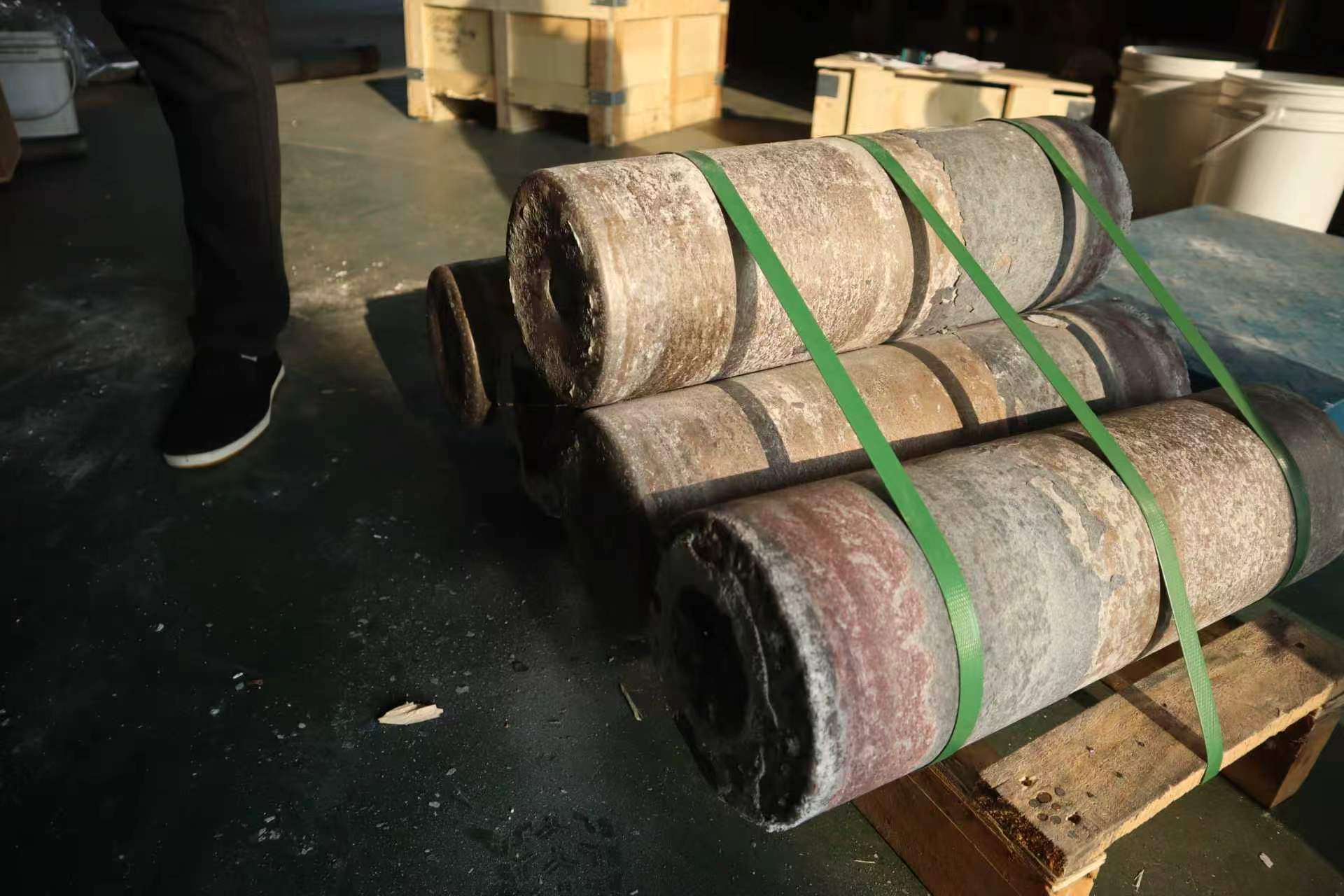
Haynes 230 alloy is a high-temperature alloy with nickel, chromium, and molybdenum as its core elements. It is widely used in aerospace, energy chemicals, and industrial gas turbines due to its excellent oxidation resistance, thermal corrosion resistance, and high-temperature strength. As a benchmark material in the special alloy field, its research and production demand high technical accumulation, equipment accuracy, and process control capabilities from enterprises. Qinchuan New Materials (Zhengzhou) Co., Ltd. has formed a unique technological advantage in the research and manufacturing of Haynes 230 alloy with its modern production base and full-process quality control system.
Technical Analysis: Core Characteristics and Development Challenges of Haynes 230 Alloy
The chemical composition of Haynes 230 alloy is designed with nickel (Ni) as the matrix, containing 22-24% chromium (Cr) and 13-15% molybdenum (Mo), with a small addition of aluminum (Al) and titanium (Ti) to form reinforcing phases. Its high-temperature stability originates from the dense oxide film (Cr2O3) formed on the surface by the chromium element, which effectively prevents oxygen penetration; the molybdenum element enhances the high-temperature creep strength of the material through solid solution strengthening. The research and development challenge lies in balancing the alloy's oxidation resistance and processing properties—the high chromium content improves corrosion resistance but significantly increases the material's brittleness, which requires optimizing the microstructure through precise heat treatment processes (such as 1180℃ solution treatment + 760℃ aging treatment).
TengChuan New Materials' technical layout: Full-process control from laboratory to mass production
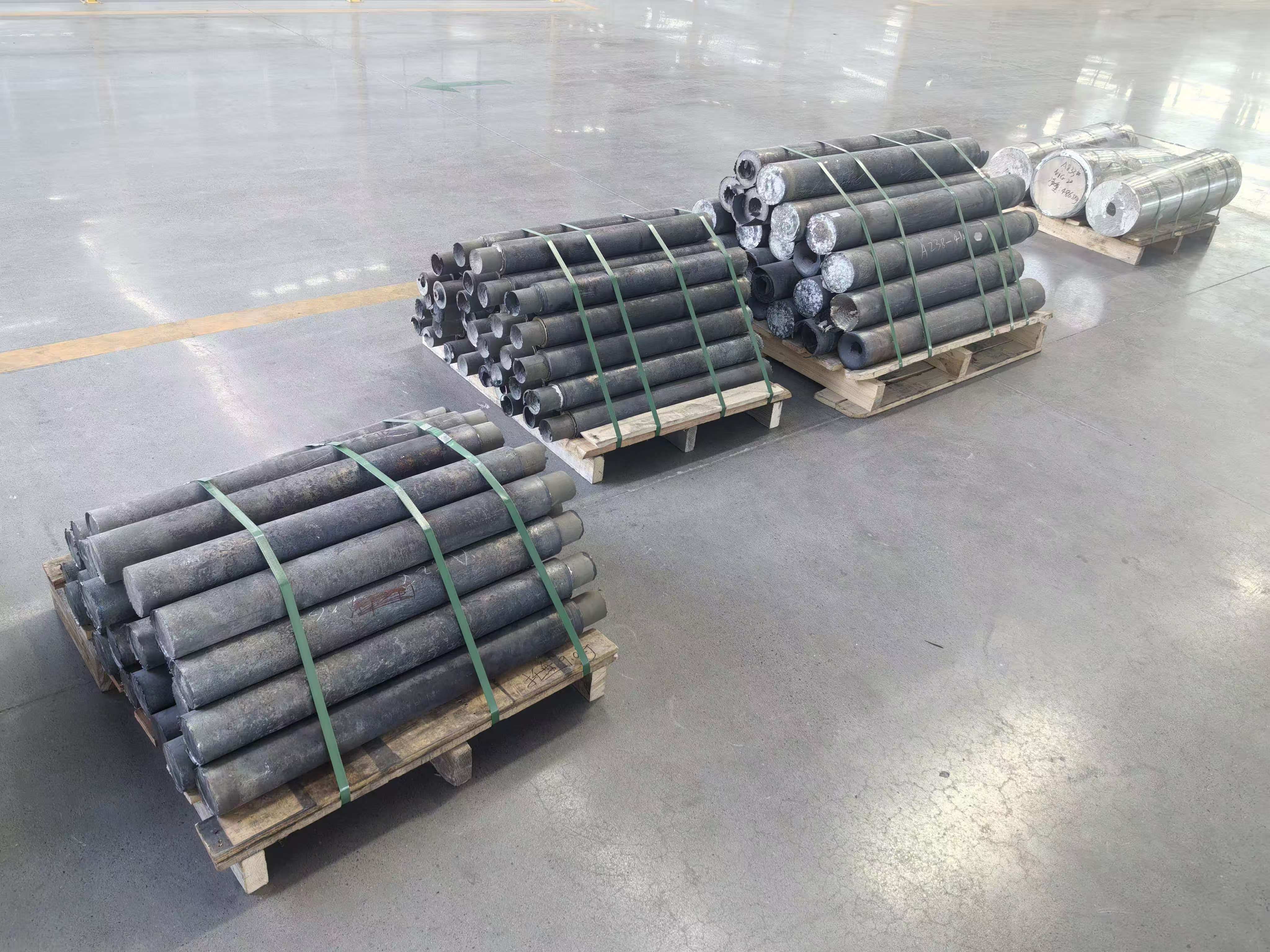
Qinchuan New Materials is located in the modern workshop of Zhengzhou High-tech Industrial Development Zone, equipped with core facilities such as vacuum induction melting furnace (VIM), electroslag remelting furnace (ESR), and multi-directional forging machines, enabling full-process independent production of Haynes 230 alloy from raw material blending, melting and refining to shaping and processing. The research and development team, by introducing digital simulation technology, accurately predicts the solidification process and phase transformation behavior of the alloy, controlling the component deviation within ±0.05%, far exceeding the industry standard of ±0.1%. In addition, the company has established a comprehensive detection system covering mechanical properties, microstructure, and chemical composition, ensuring that every batch of products meets the ASTM B619 standard.
Application Case: Domestic Substitution of Gas Turbine Components for an Energy Corporation
In 2023, Qinchuan New Materials provided a customized solution for a domestic energy company's Haynes 230 alloy gas turbine combustion chamber nozzle. This component needs to operate continuously under high temperature (1050℃), high pressure, and corrosive gas environment. The original imported material was costly and had a long supply cycle. The Qinchuan team optimized the alloy composition (increasing aluminum content from 0.3% to 0.5%) and eliminated internal defects by using hot isostatic pressing (HIP) technology, raising the product's endurance strength (1000h/1050℃) from 120MPa to 145MPa and reducing the oxidation rate to 0.02mg/cm²·h (the original imported material was 0.03mg/cm²·h). After 6 months of continuous operation testing, no cracks or spalling were found on the component surface, achieving performance stability at the international level of similar products, and successfully realizing domestic substitution.
Technical Experience Summary: Three Core Elements of Special Alloy Research and Development
1. Equipment accuracy and process controlThe vacuum degree of the vacuum melting furnace should be controlled below 10⁻³Pa to avoid contamination by impurity elements; the forging temperature must be strictly maintained between 1150-1200℃ to prevent grain coarsening.
2. Component Design and Performance BalanceBy simulating the phase diagrams of alloys using the CALPHAD thermodynamic calculation software, optimize the proportions of elements such as chromium, molybdenum, and aluminum, ensuring corrosion resistance while enhancing processing properties.
3. Full-process inspection and data traceabilityEstablish a digital quality record from raw materials to finished products, conduct spectral analysis, tensile tests, and metallographic inspections for each batch, ensuring traceability of data.