 Qingchuan New Materials (Zhengzhou) Co., Ltd.
Qingchuan New Materials (Zhengzhou) Co., Ltd.
Qingchuan New Materials (Zhengzhou) Co., Ltd.
Qingchuan New Materials (Zhengzhou) Co., Ltd.
Qingchuan New Materials (Zhengzhou) Co., Ltd.
Technical Background: Industrial Value of Iron-Nickel Determinate Expansion Sealant Alloy
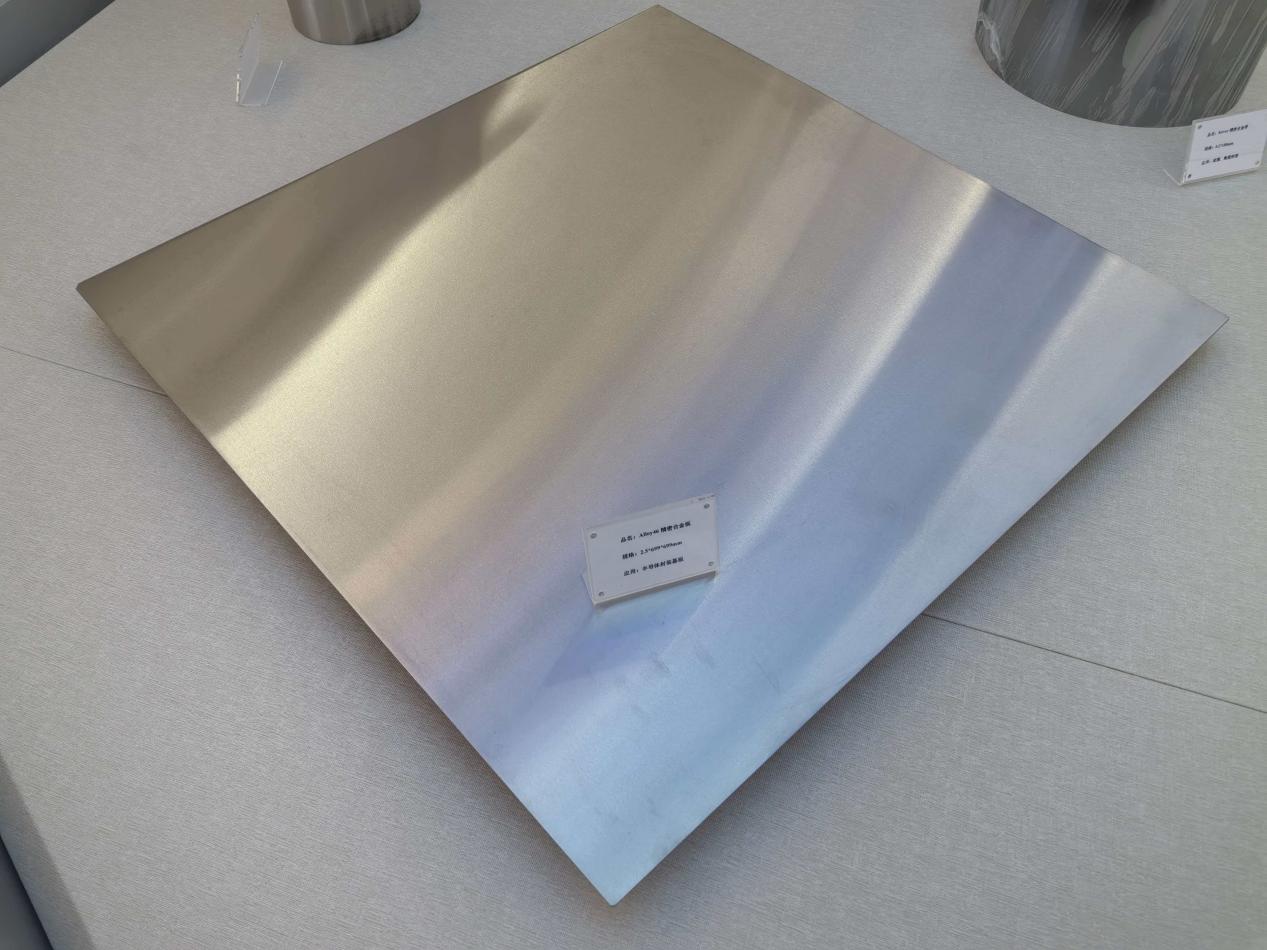
Fe-Ni Expansion Sealed Alloy is a special alloy that achieves a specific thermal expansion coefficient through precise control of the iron-nickel ratio, widely used in electronic packaging, aerospace, precision instruments, and other fields. Its core value lies in solving the sealing failure problems caused by the difference in thermal expansion coefficients of different materials, such as in semiconductor packaging, where the alloy needs to achieve seamless matching with ceramic substrates, metal leads, and other materials to ensure the reliability of the device under extreme temperature conditions.
Qingchuan New Materials' technical layout and R&D strength
Qinchuan New Materials (Zhengzhou) Co., Ltd. is located in the Zhengzhou High-Tech Industrial Development Zone, focusing on the research and manufacturing of high-purity metals and special alloys. The company relies on modern standard workshops and advanced production lines to establish a full-process technical system covering alloy design, melting to precision processing. Its iron-nickel fixed expansion sealing alloy product line covers multiple grades with Ni content ranging from 36% to 52%, with an expansion coefficient range (20-300℃) that can be precisely controlled from 4.5×10⁻⁶/℃ to 12×10⁻⁶/℃,meeting different customers' sealing requirements.
In the analysis and testing phase, Qinchuan New Materials is equipped with equipment such as a direct-reading spectrometer, scanning electron microscope (SEM), and thermal expansion coefficient tester, enabling comprehensive detection of alloy composition, microstructure, and thermal properties. For example, the typical performance parameters of its Ni42 alloy (containing 42% nickel) are: density 8.15g/cm³, tensile strength ≥520MPa, elongation ≥30%, and thermal expansion coefficient (20-100℃) of 5.8×10⁻⁶/°C, meeting international standards for similar products.
Typical Application Cases: Practices in Semiconductor Packaging Field
In an IGBT module encapsulation project for a semiconductor company, Qinchuan New Materials provided a customized Ni48 alloy (48% nickel) solution. The module needs to maintain airtightness over a wide temperature range of -40℃ to 150℃. Traditional Kovar alloy (29% nickel) has a high coefficient of thermal expansion, causing stress concentration in the sealant layer and micro-cracks. The Qinchuan team adjusted the Ni content to 48%, reducing the coefficient of thermal expansion to 7.2×10⁻⁶/℃,improving the matching with ceramic substrates (6.8×10⁻⁶/℃) by 15%.
During the practical operation, the team controls impurity content (≤0.005%) using vacuum induction melting technology and optimizes the grain size of the alloy (ASTM 8-10 grade) through cold rolling and annealing treatment. After 1000 thermal cycle tests (-40℃ to 150℃), the sealing layer leakage rate is ≤1×10⁻⁹ Pa·m³/s, significantly better than the customer's required standard of ≤5×10⁻⁹ Pa·m³/s.
Summary of Technical Advantages and Industry Compatibility Scenarios
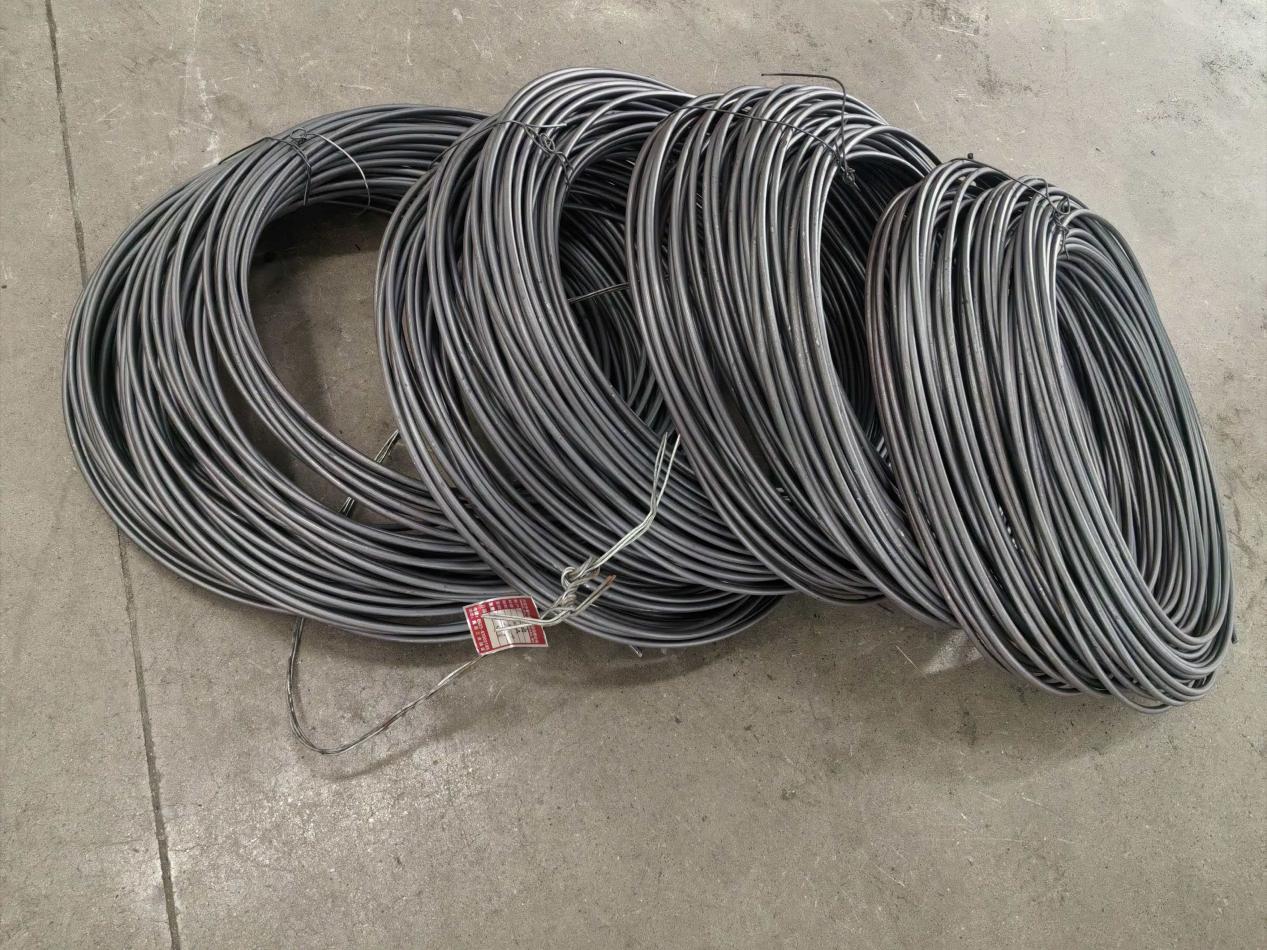
Qinchuan New Materials' iron-nickel fixed expansion sealing alloy boasts three core advantages: first, the composition is customizable, achieving precise control of the expansion coefficient within the range of 4.5-12×10⁻⁶/℃ by adjusting the Ni/Fe ratio; second, high process stability, with vacuum melting and precise processing ensuring performance fluctuation between batches ≤3%; third, a comprehensive detection system, covering full-process quality inspection from raw materials to finished products, including 12 key indicators such as chemical composition, mechanical properties, and thermal expansion coefficient.
Currently, this technology has been successfully applied in fields such as aerospace (sensor encapsulation), new energy vehicles (battery management systems), and medical equipment (X-ray tube encapsulation). For example, in a new energy vehicle battery management system, Qinchuan's Ni36 alloy (expansion coefficient 4.9×10⁻⁶/℃) has solved the sealing problem between ceramic circuit boards and metal casings, reducing the failure rate of the system by 40% under the environment of -30℃ to 85℃.
FAQ: Technical Challenges of Iron-Nickel Fixed Expansion Sealing Alloy Analysis
Q1: How to balance the coefficient of expansion and mechanical properties of the alloy?
A: The coefficient of expansion is mainly determined by the Ni/Fe ratio, while mechanical properties (such as tensile strength) are significantly affected by processing techniques (such as cold rolling deformation). Qinchuan optimizes the composition and process parameters through orthogonal experiments, for example, using 75% cold rolling deformation + annealing at 850℃ in the Ni42 alloy, achieving the goal of a coefficient of expansion of 5.8×10⁻⁶/℃ and a tensile strength of 550MPa.
Q2: How is the stability of the alloy ensured under high-temperature conditions?
A: High-temperature stability depends on the oxidation resistance of the alloy and the grain boundary strength. Qinchuan adds 0.1%-0.3% rare earth elements (such as yttrium) to the alloy, refining the grain size and purifying the grain boundaries, reducing the oxidation rate of Ni48 alloy to 0.02mg/cm²·h at 300℃, meeting the long-term usage requirements in the aerospace field.
Q3: Is the cost of small batch customized production controllable?
A: Qingchuan reduces customization costs through modular production lines and Flexible Manufacturing Systems (FMS). For instance, its alloy products with 36%-52% Ni content share the same melting and heat treatment equipment. By simply adjusting the molds and parameters of the rolling process, the delivery cycle for small batch orders (≥50kg) is shortened to 10 days, with costs reduced by 25% compared to the traditional model.