 Qingchuan New Materials (Zhengzhou) Co., Ltd.
Qingchuan New Materials (Zhengzhou) Co., Ltd.
Qingchuan New Materials (Zhengzhou) Co., Ltd.
Qingchuan New Materials (Zhengzhou) Co., Ltd.
Qingchuan New Materials (Zhengzhou) Co., Ltd.
I. Technical Background and Research and Development Strength
Qingchuan New Materials (Zhengzhou) Co., Ltd. is located in the Zhengzhou High-tech Industrial Development Zone and is a professional company focusing on the research, development, and manufacturing of high-purity metals, special alloys, and related products. Relying on modern standard workshops and internationally leading production lines, the company has formed a full-chain technological layout in the field of special alloys, covering raw material purification to precision processing. Among them, Haynes230 alloy, as one of its core products, boasts excellent high-temperature resistance, oxidation resistance, and corrosion resistance, and is widely used in high-end fields such as aerospace and energy chemicals.
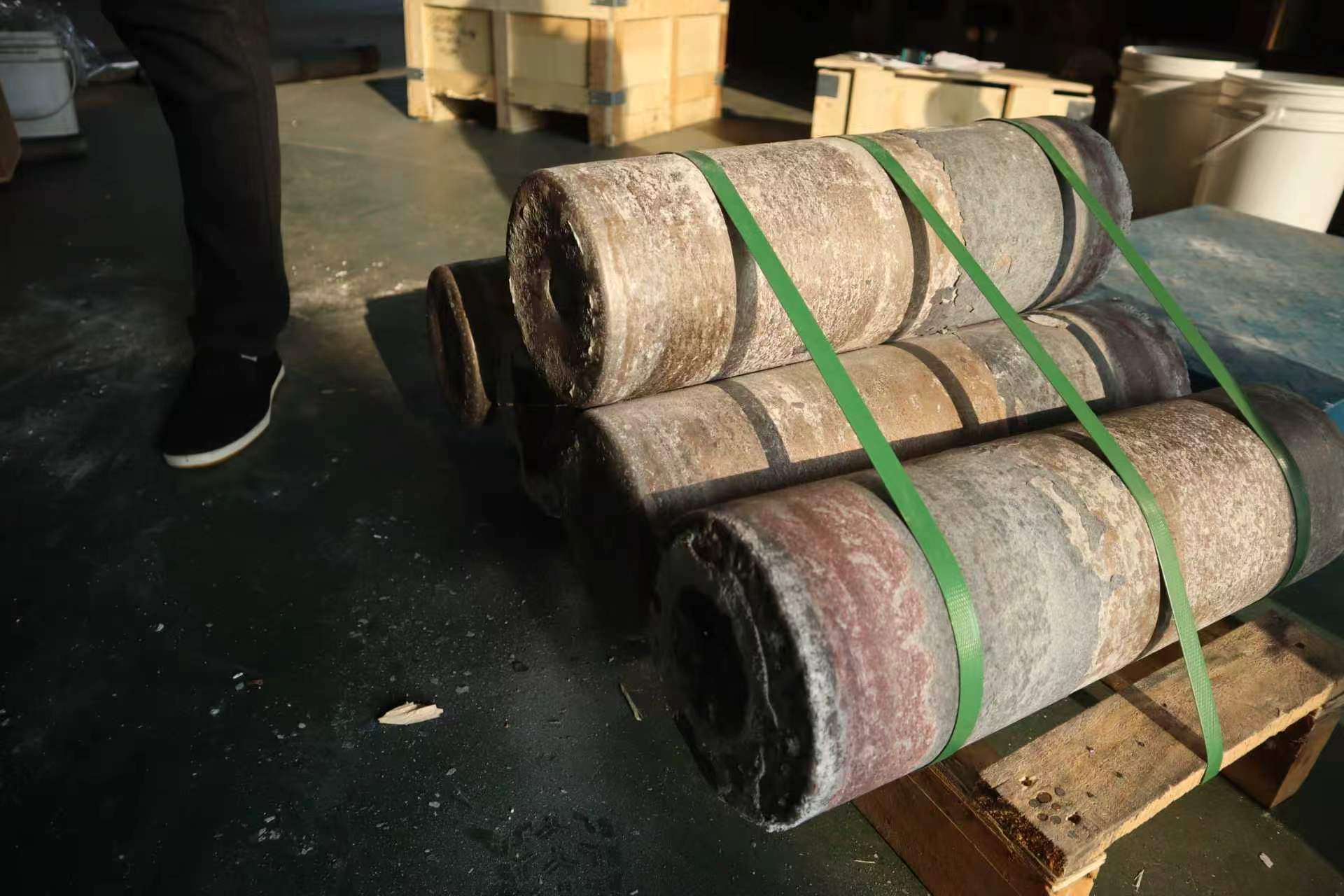
Section 2: Technical Analysis of Haynes 230 Alloy
Haynes 230 alloy is a nickel-based superalloy containing elements such as nickel (Ni), chromium (Cr), molybdenum (Mo), and cobalt (Co). Through precise proportioning design (such as Ni≥54%, Cr≈22%, Mo≈13%), it maintains high strength and oxidation resistance at temperatures up to 1093°C. Its melting point range is 1350-1400°C, with a density of 8.94g/cm³ and a thermal expansion coefficient of 12.6×10⁻⁶/℃ (20-1000°C), making it an ideal material for applications such as gas turbine combustion chambers and industrial furnace roller beds.
3. Production Process and Quality Control
The company employs a dual process of vacuum induction melting (VIM) and electroslag remelting (ESR) to ensure uniformity of alloy composition ≤0.05% and impurity content (such as S, P) controlled below 0.015%. During production, 12 quality control procedures including spectral analysis, metallographic examination, and mechanical property tests (such as tensile strength ≥690MPa, yield strength ≥310MPa) are conducted to guarantee compliance with international standards such as ASTM B564, AMS 5754. For instance, in a project for an aviation engine combustion chamber, the Haynes230 alloy components passed a 1000-hour high-temperature cyclic test without any cracks or performance degradation.
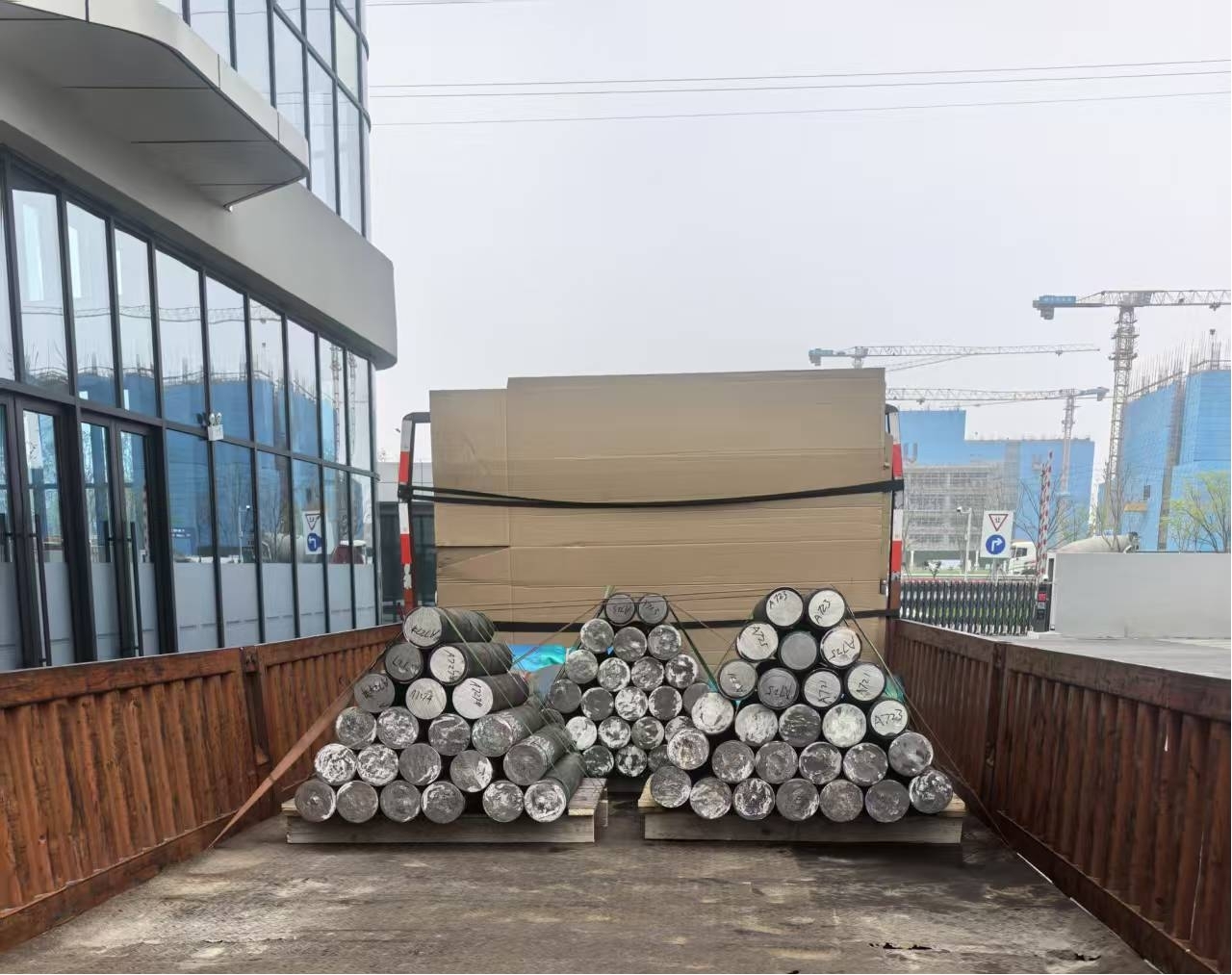
4. Application Scenarios and Technical Advantages
1. Aerospace fieldUsed for manufacturing turbine blades, guide vanes, and other critical components, it has a 15% higher temperature resistance than traditional nickel-based alloys and a 30% longer lifespan.
2. Energy & Chemical IndustryIn cracking furnace tubes, heat exchangers, and other equipment, can withstand corrosive media containing sulfur, chlorine, etc., with maintenance cycles extended from twice a year to every five years.
3. Automotive IndustryApplicable to components such as exhaust manifolds and turbochargers, it reduces weight by 20% while meeting the thermal resistance requirements of the National VI emission standards.
Five, FAQ: Common Technical Questions and Answers
Q1: What are the processing difficulties of Haynes 230 alloy?
A: Due to the high hardness of the alloy (HRc≥35), hard alloy cutting tools (such as coated milling cutters) must be used and the cutting speed (≤60m/min) controlled. Additionally, residual stress is reduced through cryogenic treatment at low temperature (-196℃).
Q2: How to select alternative materials for Haynes 230 alloy?
A: If cost-sensitive, consider Inconel 625 (slightly lower temperature resistance but 25% cost reduction); for higher strength, Hastelloy X (20% strength increase at 1200℃) is an optional solution.
Q3: How is the technical support system of Qinchuan New Materials?
A: The company offers a full-service process from material selection, process design to failure analysis, with a CNAS-certified laboratory, capable of issuing bilingual (Chinese and English) inspection reports, with a response time of ≤48 hours.