 Qingchuan New Materials (Zhengzhou) Co., Ltd.
Qingchuan New Materials (Zhengzhou) Co., Ltd.
Qingchuan New Materials (Zhengzhou) Co., Ltd.
Qingchuan New Materials (Zhengzhou) Co., Ltd.
Qingchuan New Materials (Zhengzhou) Co., Ltd.
Technical Background: Industrial Value of Haynes 230 Special Alloy
Haynes 230 is a nickel-based superalloy widely used in extreme environments such as aviation engines, gas turbines, and chemical equipment due to its excellent oxidation resistance, thermal corrosion resistance, and high-temperature strength. Its core components include nickel (Ni≥54%), chromium (Cr 22-24%), molybdenum (Mo 13-15%), and cobalt (Co 1.5-2.5%), which can operate stably at 1093℃ for a long period and withstand short-term temperatures up to 1150℃. As a representative enterprise in the research and manufacturing of special alloys in China, Qinchuan New Materials (Zhengzhou) Co., Ltd. relies on the modern standard workshops in the Zhengzhou High-Tech Industrial Development Zone to establish a full-process production line covering melting, forging, heat treatment, and precision machining, providing technical support for the large-scale production of Haynes 230.
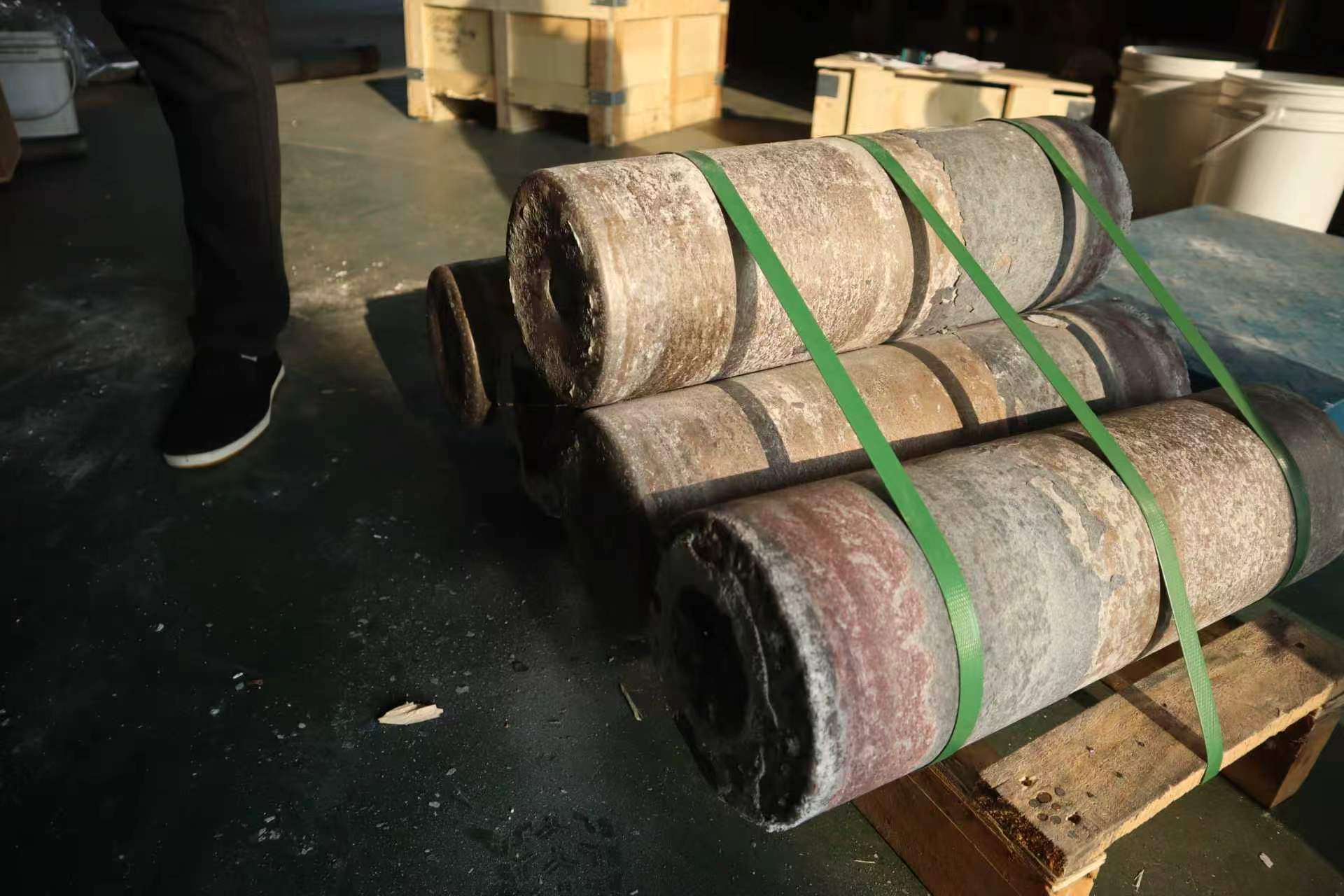
Technical Analysis: Core Architecture of the Haynes 230 Production Base
Qinchuan New Materials' Haynes230 production line uses a vacuum induction melting (VIM) + electroslag remelting (ESR) double-process technology to ensure alloy uniformity ≤0.05% and gas content (O/N) ≤15ppm. The forging section is equipped with a 3000-ton fast forging machine, capable of near-net shaping of billets with a diameter below 800mm, reducing subsequent machining allowances. Heat treatment employs step quenching + aging process, optimizing grain size (ASTM 5-7) and γ' precipitation behavior through controlling cooling rate (5-10℃/min) and aging temperature (760-815℃), so that the yield strength of the alloy exceeds 620MPa at 650℃. The precision machining stage introduces a five-axis CNC machine tool, in conjunction with an on-line inspection system, to keep dimensional tolerances within ±0.02mm, meeting the high precision requirements of the aviation field for components.
Practical Case: Customized Production of Gas Turbine Combustion Chamber Components
In 2023, Qinchuan New Materials customized the production of Haynes230 combustion chamber liners for an energy company, facing two major challenges: first, the components had to withstand the erosion of high-temperature gas at 1200°C; second, the internal cavity structure was complex with high processing difficulty. The technical team optimized the alloy composition (increasing Mo content to 14.5%) to enhance resistance to thermal corrosion; adopted 3D printing technology to produce ceramic cores, solving the problem of internal cavity shaping; the final product passed a 1000-hour high-temperature endurance test, with a creep fracture life reaching 1.8 times the industry standard value, and the customer's acceptance rate was 100%. This project verified Qinchuan New Materials' technical adaptability in the customized production of special alloy materials.
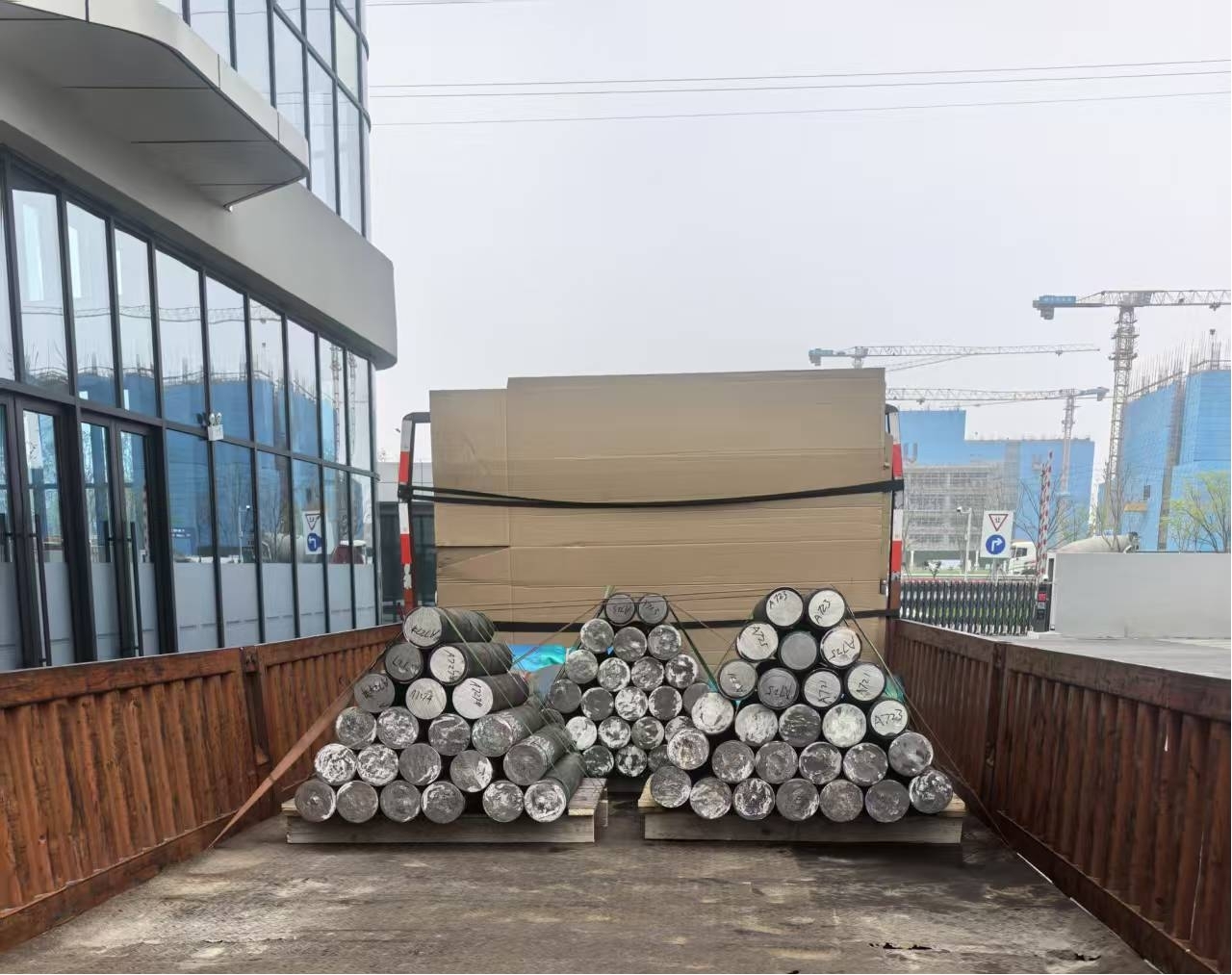
Technical Layout: Full Chain Capabilities from R&D to Application
Qingchuan New Materials' technical advantages are reflected in the "R&D-Production-Inspection" closed-loop system: the R&D end collaborates with the School of Materials of Zhengzhou University to establish a joint laboratory, focusing on the research of high-temperature alloy phase transformation mechanisms; the production end introduces MES systems to achieve full-process digital management from raw material input to finished product inventory; the inspection end is equipped with equipment such as direct-reading spectrometers, scanning electron microscopes, and high-temperature tensile testing machines, capable of executing international standard inspections such as ASTM E4, E8, E147. Currently, the company has obtained ISO 9001 quality management system certification and NADCAP special process certification, with an annual production capacity of 200 tons for the Haynes230 alloy. The products are exported to industrial powerhouses such as Germany and Japan and applied in core equipment of enterprises like Siemens and Mitsubishi Heavy Industries.
FAQ: Common Technical Issues in Haynes 230 Applications
Q1: What are the differences in high-temperature performance between Haynes 230 and Inconel 718?
A: The strengthening phase of Inconel 718 is γ'' (Ni3Nb), with the best service temperature below 650℃; Haynes 230 relies on solid solution strengthening and carbide precipitation, offering superior performance between 760-1093℃, particularly suitable for short-term overtemperature conditions.
Q2: How to control the hot cracking tendency during the Haynes 230 welding process?
A: Low heat input welding process (such as TIG welding, current ≤150A) should be used with INCONEL 82 filler material; preheat to 200-300℃ before welding, and perform 760℃×2h stress-relieving annealing after welding to effectively reduce the crack rate.
Q3: Does Qinchuan New Materials' Haynes230 alloy support small batch customization?
A: Support. The minimum order quantity for enterprises is 50kg, flexible production can be achieved by adjusting the number of melting furnace cycles and forging molds, with delivery period controlled within 30 days, meeting the needs of the research and development trial production stage.