 Qingchuan New Materials (Zhengzhou) Co., Ltd.
Qingchuan New Materials (Zhengzhou) Co., Ltd.
Qingchuan New Materials (Zhengzhou) Co., Ltd.
Qingchuan New Materials (Zhengzhou) Co., Ltd.
Qingchuan New Materials (Zhengzhou) Co., Ltd.
I. Technical Background and Industry Needs
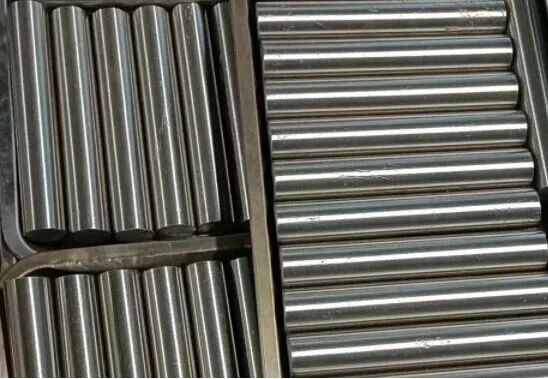
Iron-nickel fixed-expansion sealing alloys (such as 4J29, 4J42, etc.) are functional materials that achieve specific thermal expansion coefficients through precise control of the iron-nickel ratio. They are widely used in the sealing of electronic components, aerospace precision part connections, and other fields. Their core value lies in solving stress cracking problems caused by differences in thermal expansion coefficients between different materials, ensuring the reliability of devices under extreme temperature conditions. Taking 4J29 alloy as an example, its expansion coefficient can be stably maintained at (4.7±0.1)×10⁻⁶/℃ in the temperature range of 20-400℃, with a matching degree of up to 98% with hard glass (such as Kovar glass), making it the preferred material for vacuum electronic device sealing.
II. Qingchuan New Materials' Technical Layout and R&D Strength
Qinchuan New Materials (Zhengzhou) Co., Ltd. is located in the High-tech Industrial Development Zone of Zhengzhou, focusing on the research and production of high-purity metals and special alloys. The company is equipped with advanced equipment such as vacuum induction melting furnaces and electroslag remelting furnaces, capable of precise control of iron-nickel alloy composition (error ≤ 0.05%). Through processes like cold rolling and heat treatment, the grain size can be refined to above ASTM 8, significantly enhancing the mechanical properties and sealing stability of the materials. The developed 4J29 alloy has an expansion coefficient fluctuation of less than 0.2×10⁻⁶/℃ in the range of -60℃ to +400℃, reaching an internationally advanced level.
III. Core Parameters and Compatibility Scenario Analysis
1. Component ControlIron content 53%-55%, nickel content 28%-30%, the remainder being trace elements such as cobalt and manganese. Microelement ratio optimization (such as cobalt content ≤0.2%) reduces material brittleness.
2. Heat treatment processHeat treatment by step cooling (850℃×2h→750℃×4h→air cooling) to relieve processing stress, reducing hardness to HV160-180 for easy subsequent sealing processing.
3. Surface TreatmentThe oxidation layer is removed by acid pickling (HNO₃:H₂O=1:3), resulting in a surface roughness Ra≤0.8μm, which enhances wettability with glass.
Application scenarios include vacuum tube sealing, laser metal ceramic sealing, aerospace sensor housing connections, etc., particularly reducing signal loss by over 30% in high-frequency devices.
4. Case Study: Application of a Spacecraft Sensor Project
In a certain aerospace sensor project, Qinchuan New Materials' 4J29 alloy resolved the leakage issue caused by mismatched thermal expansion coefficients in traditional stainless steel seals. By optimizing the alloy composition (increasing 0.1% manganese to enhance oxidation resistance) and the heat treatment process (extending the annealing time to 6 hours at 750℃), the sealing components maintained an air tightness of ≤1×10⁻⁹Pa·m³/s during the cyclic test from -100℃ to +200℃, a 5-fold improvement over traditional solutions. The project has delivered over 100,000 pieces with a failure rate of less than 0.02%.
V. Technical Advantages and Industry Outlook
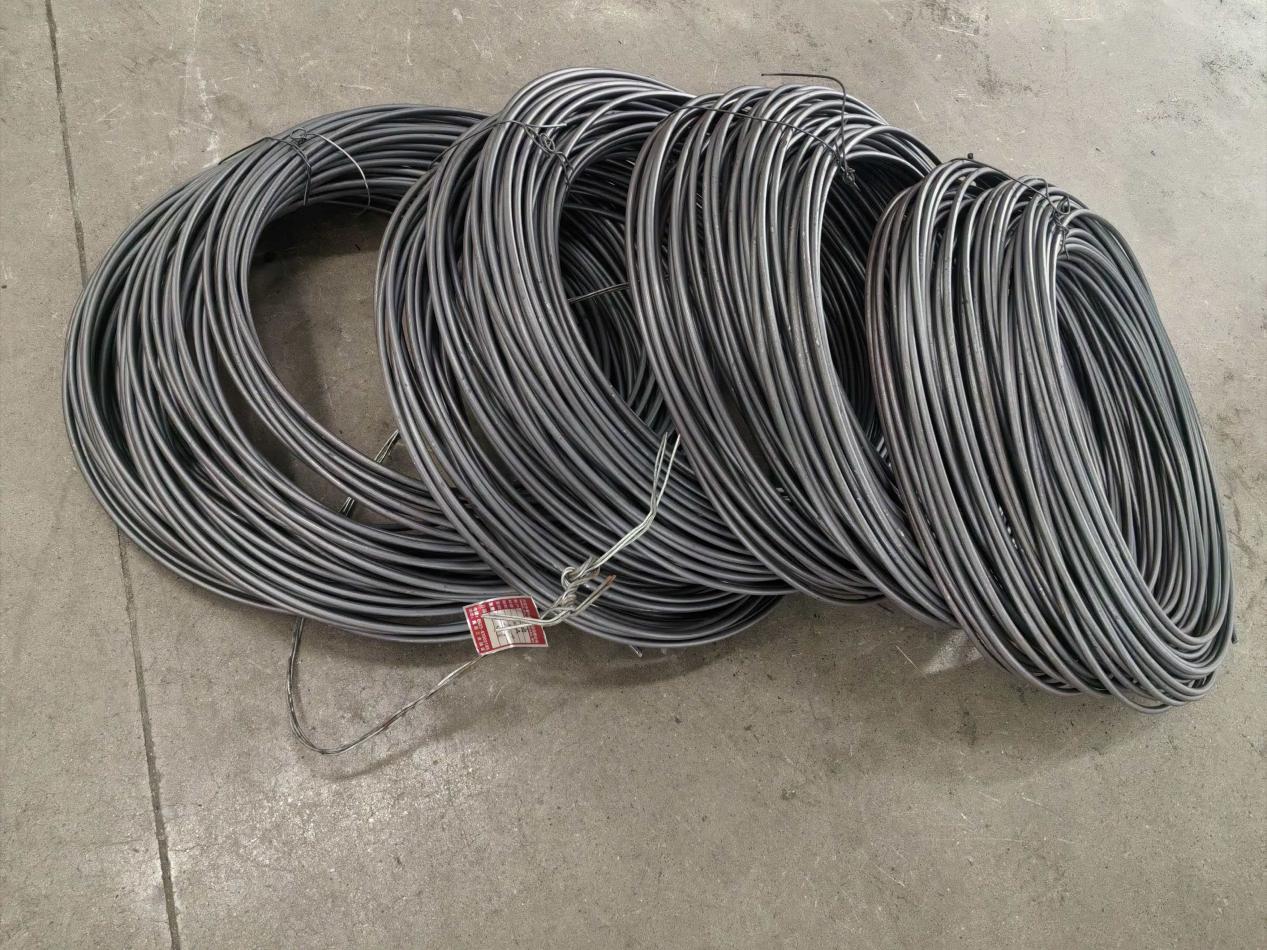
Qingchuan New Materials reduces production costs by 15% through innovative material design (such as developing low-cobalt 4J29 variants) and process optimization (such as using continuous annealing lines to improve efficiency), while meeting environmental standards like RoHS and REACH. In the future, with the increasing demand for high-reliability sealing materials in fields like 5G communication and new energy vehicles, iron-nickel shape-memory alloys will upgrade towards ultra-low expansion (expansion coefficient < 1×10⁻⁶/℃), high strength (tensile strength > 800MPa), etc. Qingchuan New Materials plans to invest 20 million yuan in R&D funds to lay out the next-generation sealing material technology.
FAQ: Common Technical Questions Answered
Q1: What are the causes of cracks in iron-nickel alloy joints after sealing?
A: Mainly due to mismatched thermal expansion coefficients or unrelieved processing stresses. Solutions include optimizing alloy composition, extending annealing time, and controlling the sealing temperature gradient (≤50℃/min).
Q2: How to judge the sealing quality?
A: Gas tightness can be detected by helium mass spectrometer (standard ≤1×10⁻⁹ Pa·m³/s) or observed under a metallographic microscope to check if the sealing interface is dense and void-free.