 Qingchuan New Materials (Zhengzhou) Co., Ltd.
Qingchuan New Materials (Zhengzhou) Co., Ltd.
Qingchuan New Materials (Zhengzhou) Co., Ltd.
Qingchuan New Materials (Zhengzhou) Co., Ltd.
Qingchuan New Materials (Zhengzhou) Co., Ltd.
Technical Background: Positioning and Core Value of Haynes 230 Alloy
Haynes 230 is a nickel-chromium-tungsten based solid solution strengthened high-temperature alloy, designed to maintain excellent oxidation resistance, thermal corrosion resistance, and long-term tissue stability at high temperatures ranging from 1093°C to 1204°C. The alloy achieves solid solution strengthening by adding tungsten (W) and molybdenum (Mo), while controlling carbon (C) content to balance high temperature strength and processing properties, making it suitable for extreme operating conditions such as aeroengine combustion chambers, industrial gas turbine blades, and chemical reactor reactors.
Qinchuan New Materials' technical layout: full-chain capabilities from R&D to mass production
Qinchuan New Materials (Zhengzhou) Co., Ltd. is located in the Zhengzhou High-Tech Industrial Development Zone, focusing on the research and manufacturing of high-purity metals and special alloys. The company is equipped with a vacuum induction melting (VIM) and electroslag remelting (ESR) dual-process production line, enabling precise control of the composition of Haynes 230 alloy (Ni≥54.0%, Cr≤22.0%, W 13.0-15.0%). It ensures chemical composition deviation ≤0.05% and grain size grade reaches 4-6 levels according to ASTM E112 standard through equipment such as direct-reading spectrometers and scanning electron microscopes (SEM).
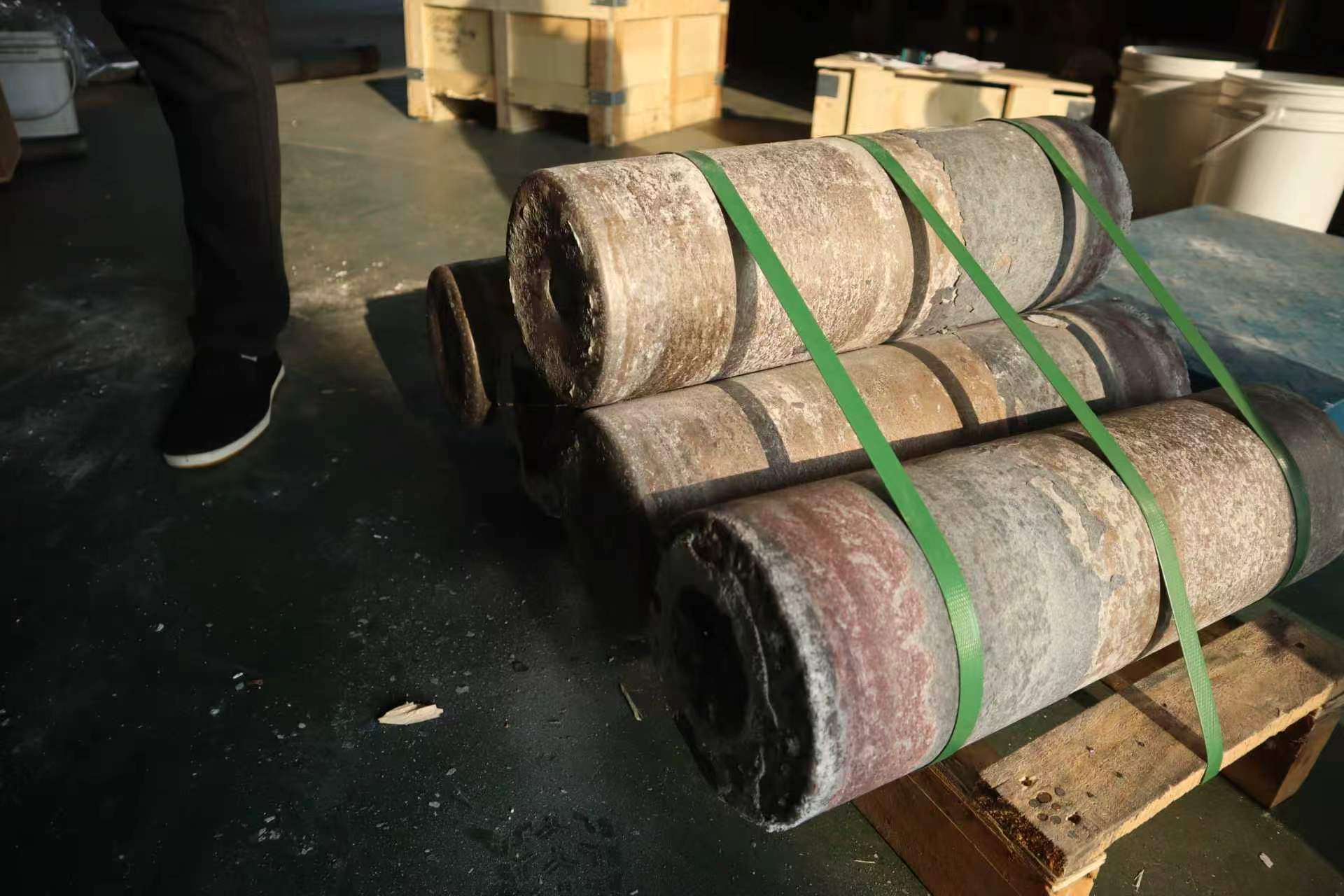
Technical Analysis: Composition Design and Performance of Haynes 230
1. Nickel-based frameworkNickel content ≥ 54% provides face-centered cubic lattice stability under high temperatures, avoiding embrittlement caused by σ phase precipitation.
2. Chromium-tungsten synergistic reinforcementChromium (20-22%) forms a dense Cr2O3 oxide film, tungsten (13-15%) enhances high-temperature yield strength through solid solution strengthening (≥205MPa at 1093℃).
3. Carbon Control StrategyCarbon content ≤ 0.1% reduces the segregation of M6C carbides at grain boundaries, extending the creep life of the material at 1150℃ to ≥1000 hours.
Practical Case: Domestic Replacement of Reactor Tube Bundle for a Chemical Enterprise
A petrochemical company previously used Inconel 625 alloy tube bundles, which experienced localized corrosion perforation in a sulfur-containing steam environment at 1050°C (average corrosion rate of 0.25mm/year). After擎川新材料provided a Haynes 230 alloy alternative, the following steps were taken to achieve technical upgrade:
STEP 1: Component Verification - Validate alloy element content using inductively coupled plasma mass spectrometer (ICP-MS) to ensure compliance with AMS 5759 standard.
STEP 2: Heat Treatment Optimization - Perform solution treatment at 1175℃±10℃ followed by water quenching to obtain a uniform equiaxed grain structure.
STEP 3: On-site Installation Test - After 18 months of operation under conditions of 1080℃ and 3MPa, the corrosion rate has dropped to 0.03mm/year, extending the lifespan by more than 5 times.
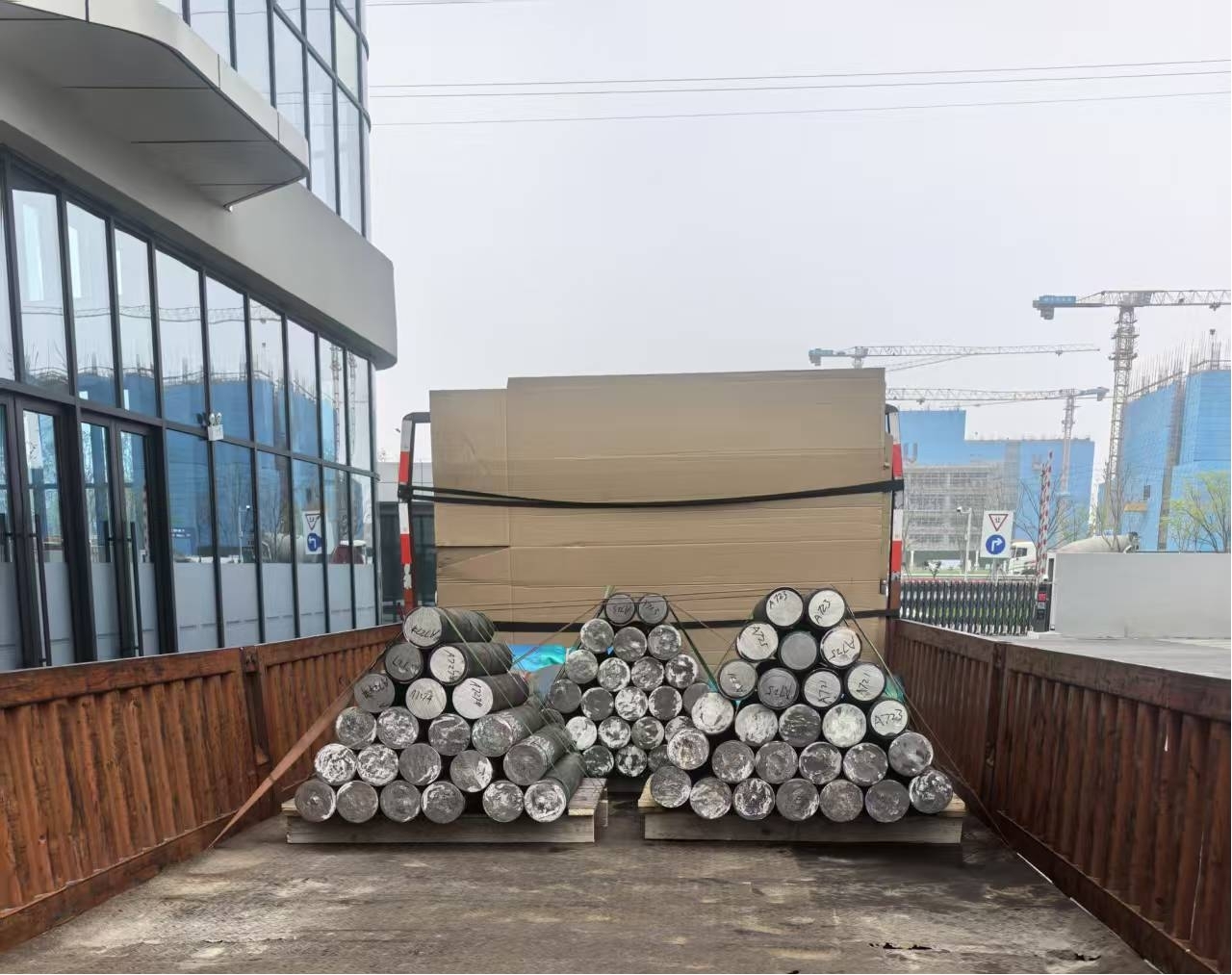
FAQ: Common Questions About Haynes 230 Alloy Applications
Q1: What is the main difference between Haynes 230 and Hastelloy X alloys?
A1: The tungsten content of Haynes 230 (13-15%) is significantly higher than that of Hastelloy X (≤1.0%), thus offering higher high-temperature strength and resistance to sulfidation, but it is more difficult to machine and requires specialized tools (such as coated carbide milling cutters, feed rate 0.08mm/tooth).
Q2: What parameters should be noted when welding Haynes 230?
A2: Recommend using ERNiCrMo-3 welding wire, control the welding current between 90-110A, interlayer temperature ≤150°C, and perform a 1120°C × 2-hour stabilization treatment after welding to relieve stress.
Technical Outlook: Customization Trend of Special Alloys
As industrial equipment evolves towards higher parameters (such as 1200°C class gas turbines), Qinchuan New Materials is developing a modified version of Haynes 230, further enhancing its creep resistance by microalloying (adding 0.3% niobium). At the same time, the company has established a special alloy database, which can reverse derive component design based on customer operating conditions (temperature, medium, stress state), realizing a transformation from "standard product supply" to "solution customization".