 Qingchuan New Materials (Zhengzhou) Co., Ltd.
Qingchuan New Materials (Zhengzhou) Co., Ltd.
Qingchuan New Materials (Zhengzhou) Co., Ltd.
Qingchuan New Materials (Zhengzhou) Co., Ltd.
Qingchuan New Materials (Zhengzhou) Co., Ltd.
Section 1: Technical Positioning and Industry Value of Iron-Nickel Determinate Expansion Seal Alloy
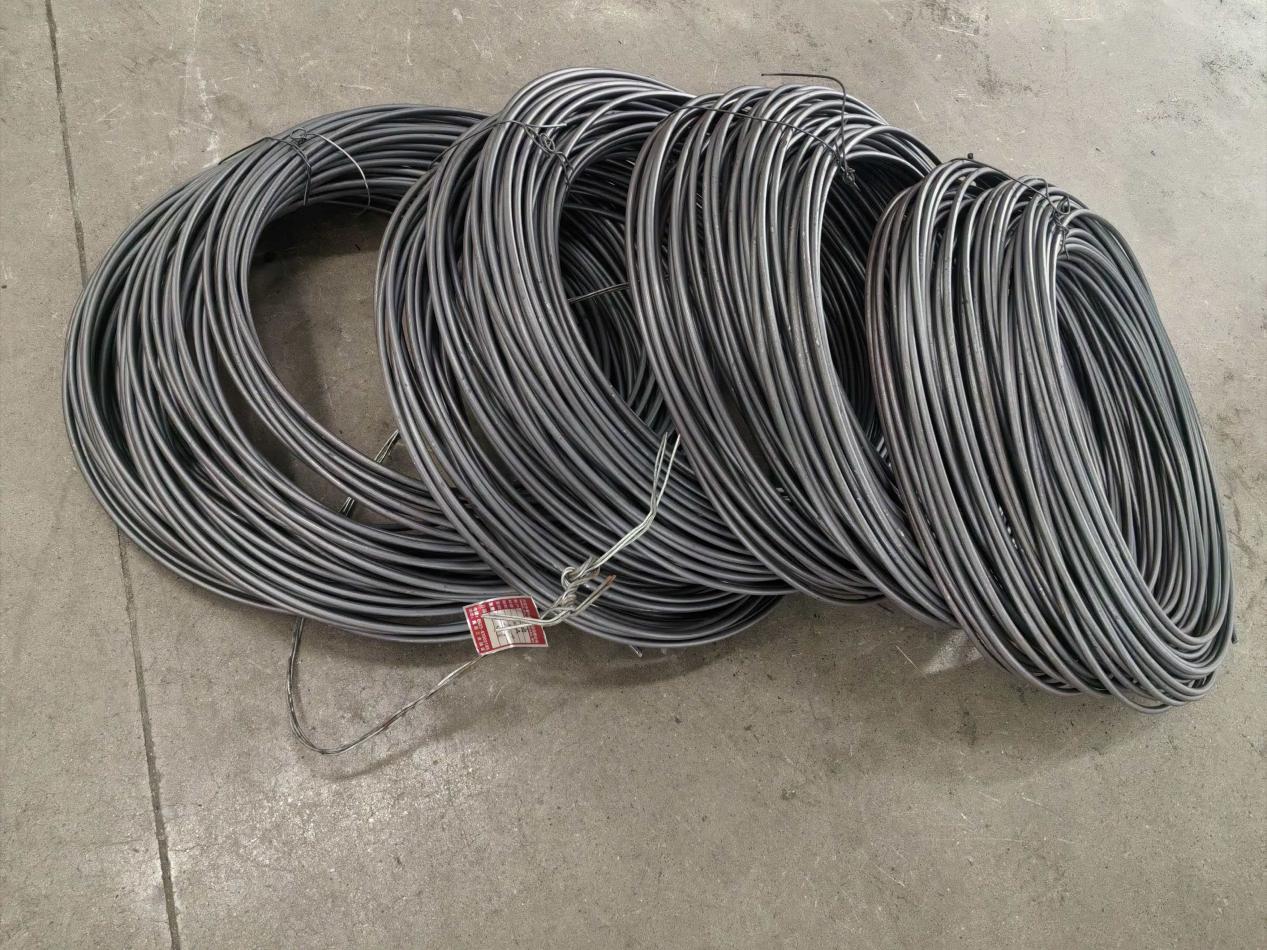
Iron-nickel thermally expansive sealing alloys are a type of special alloys that achieve a high degree of matching with the thermal expansion coefficients of non-metallic materials such as glass and ceramics through precise control of the proportion of iron and nickel elements and the addition of trace elements (such as cobalt, manganese, etc.). Their core value lies in solving thermal stress problems in the sealing process of heterogeneous materials, and they are widely used in electronic packaging, aerospace, new energy, and other fields. Chengchuan New Materials (Zhengzhou) Co., Ltd., relying on its independently developed precision alloy production line, has formed a full product line covering grades such as 4J29, 4J42, with an annual production capacity of 500 tons. The linear expansion coefficient of the products is controlled within ±1×10⁻⁶/℃,meeting the high reliability sealing requirements.
II. Tech Layout and Core Advantages of Qinchuan New Materials
1. R&D system supportThe company establishes a special alloy research and development center, equipped with analytical equipment such as scanning electron microscopy (SEM) and X-ray diffraction (XRD), enabling precise correlation analysis of alloy composition-structure-performance. For example, by optimizing the nickel content (36%~38%) and cobalt content (0.2%~0.5%) in the 4J29 alloy, the average expansion coefficient within the temperature range of 20~300℃ is stabilized at 4.6×10⁻⁶/℃,with a match degree of 98% or more with borosilicate glass.
2. Process production controlAdopting a vacuum induction melting (VIM) + electroslag remelting (ESR) double-refining process, effectively reduces the content of impurities such as oxygen and sulfur in the alloy (≤15ppm), enhancing the purity of the material. Combined with a multi-pass rolling process of cold rolling + intermediate annealing, the grain size is controlled at ASTM 6~8 levels, ensuring the alloy remains phase-free within the temperature range of -60~400°C, with excellent thermal stability.
3. Inspection capability guaranteeThe company's CNAS-certified laboratory can perform standard tests such as ASTM E228, GB/T 4339, offering a full-range of inspections from chemical composition analysis to high-temperature endurance performance. For instance, after 1000 hours of high-temperature oxidation testing on 4J42 alloy, the surface oxidation layer thickness is ≤5μm, meeting stringent environmental requirements in the aerospace field.
Section 3: Typical Application Cases: New Energy Battery Packaging Solutions
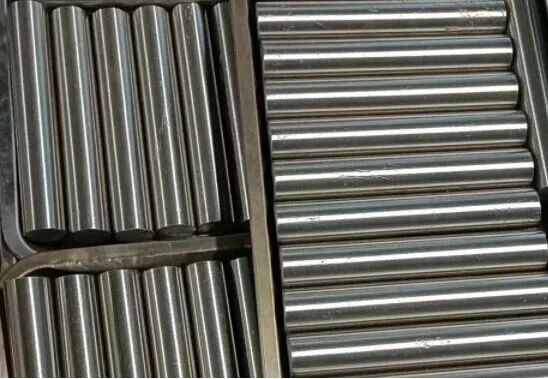
In a power battery module encapsulation project of a leading new energy enterprise, the 4J29 alloy tube shell provided by Qinchuan New Materials successfully resolves the issue of easy cracking in the traditional aluminum alloy and glass sealing layer. Specific technical parameters are as follows:
Step 1: Material SelectionBased on the customer's required operating temperature range of -40~120℃, the 4J29 alloy (expansion coefficient of 4.6×10⁻⁶/℃) is selected to match the module cover glass (expansion coefficient of 4.5×10⁻⁶/℃) with a matching degree of 99.2%.
STEP 2: Structural OptimizationThrough finite element analysis (FEA), the wall thickness (1.2mm) and round corner radius (R2mm) of the tube shell are optimized, reducing the sealing interface stress from 85MPa to 32MPa, which is below the tensile strength of glass (70MPa).
STEP 3: Process VerificationAfter 1000 cycles of charge and discharge testing, the sealing layer maintains a gas tightness of ≤1×10⁻¹² Pa·m³/s, two orders of magnitude better than the industry standard (≤1×10⁻¹⁰ Pa·m³/s).
This case verifies Qinchuan New Materials' technical strength in the field of heterogeneous material sealing, and its products have entered the supply chain systems of several new energy enterprises.
4. FAQ: Technical Difficulties Analysis of Iron-Nickel Determinate Expansion Sealing Alloy Technology
Q1: How to balance the expansion coefficient and mechanical properties of the alloy?
A: By adding trace amounts of niobium (Nb) and zirconium (Zr) to form carbide dispersion strengthening, while maintaining a stable coefficient of expansion, the tensile strength is increased from 580MPa to 650MPa, with an elongation of ≥25%.
Q2: How does surface treatment of the alloy affect sealing quality?
A: Qinchuan New Materials uses a composite process of electrolytic polishing + chemical passivation, achieving a surface roughness Ra≤0.2μm, and forming an oxide film with a thickness of 50~100nm, significantly improving the wettability of glass and reducing the rate of sealing bubbles.
Q3: Is small batch customization production feasible?
A: The company is equipped with a 200kg-grade vacuum induction furnace, enabling flexible production starting from 5kg orders, with delivery cycles shortened to 15 days, meeting the fast iteration needs of the research and development stage.