 Qingchuan New Materials (Zhengzhou) Co., Ltd.
Qingchuan New Materials (Zhengzhou) Co., Ltd.
Qingchuan New Materials (Zhengzhou) Co., Ltd.
Qingchuan New Materials (Zhengzhou) Co., Ltd.
Qingchuan New Materials (Zhengzhou) Co., Ltd.
I. Technical Background and Characteristics of Haynes 230 Alloy
Haynes 230 is a nickel-based superalloy containing elements such as nickel (Ni), chromium (Cr), molybdenum (Mo), and tungsten (W), boasting excellent high-temperature strength, oxidation resistance, and heat corrosion resistance. Its operating temperature range extends from -196℃ to 1093℃, making it suitable for high-temperature applications such as aircraft engines, gas turbines, and chemical equipment. According to material test data, the tensile strength of Haynes 230 reaches up to 410MPa at 1000℃, with elongation exceeding 20%, far surpassing traditional stainless steel materials.
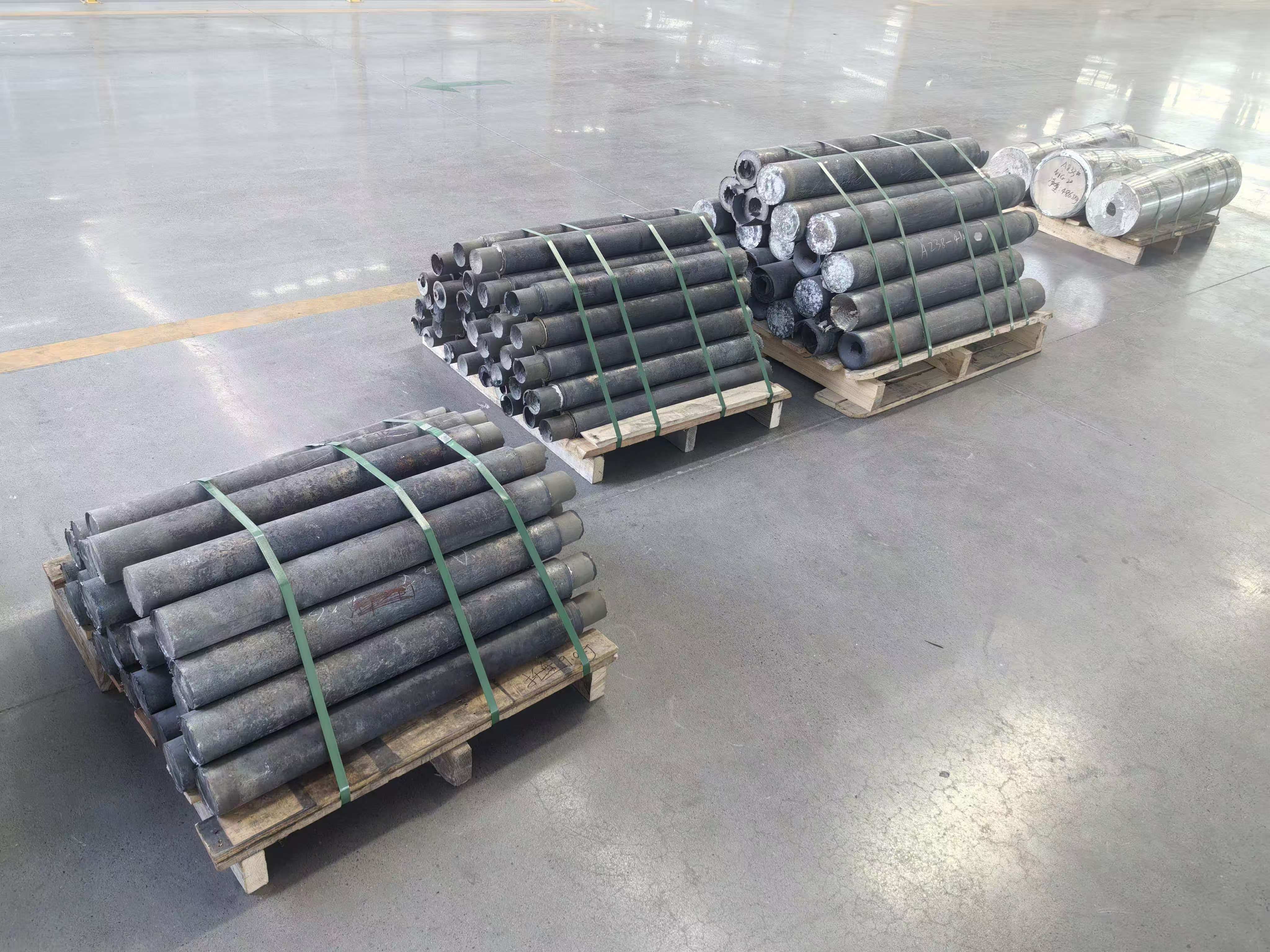
Section 2: Technological Layout and R&D Strength of Qinchuan New Materials
Qingchuan New Materials (Zhengzhou) Co., Ltd. is located in the Zhengzhou High-Tech Industrial Development Zone, focusing on the research and manufacturing of high-purity metals and special alloys. The company is equipped with internationally advanced vacuum induction melting furnaces (VIM) and electroslag remelting furnaces (ESR), enabling precise composition control of Haynes 230 alloys with impurity content below 0.005%. Its analysis and testing center is equipped with scanning electron microscopes (SEM), energy-dispersive spectrometers (EDS), and other equipment, capable of conducting comprehensive analysis of the microstructure of alloys to ensure product performance meets ASTM B637 standards.
Section 3: Application Cases of Haynes 230 Alloys in the Aviation Industry
A certain aviation engine manufacturer entrusted Qinchuan New Materials to produce Haynes 230 alloy turbine blades. The project required the blades to operate continuously at 1050℃ for 2000 hours, with an oxidation rate less than 0.02mm/year. Qinchuan optimized the heat treatment process (1180℃ solution treatment + 760℃ aging treatment), controlling the grain size to ASTM 5-7 levels and the surface oxidation layer thickness to only 0.015mm. Actual installation tests showed that the blade life reached 1.2 times the design requirement, significantly reducing the maintenance cost of the engine.
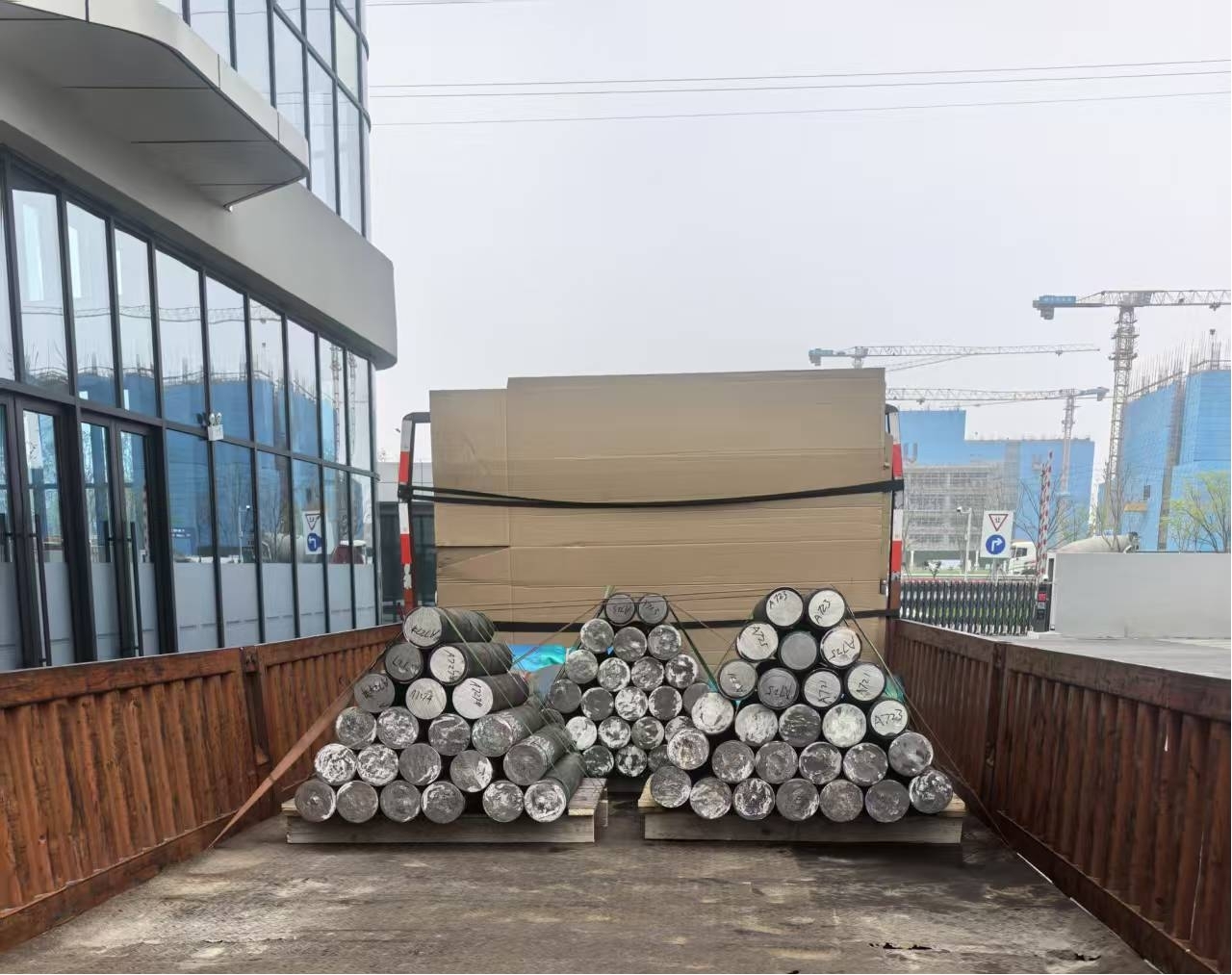
4. Key Points of Processing Technology and Parameter Control
The processing of Haynes 230 alloy requires strict control of temperature and deformation rate. During forging, the initial forging temperature is recommended to be 1150-1180°C, and the final forging temperature should not be lower than 980°C; the hot rolling billet temperature is 1120-1150°C, and the final rolling temperature should be maintained above 950°C. For cold working, the deformation should be controlled within 30%, and intermediate annealing should be performed (annealing at 1010°C for 1 hour followed by air cooling). Welding is recommended to use argon arc welding (TIG) or electron beam welding (EBW), and after welding, an aging treatment of 760°C×8 hours is required to eliminate residual stress.
V. FAQ: Common Technical Questions and Answers
Q1: What is the main difference between Haynes 230 and Inconel 718?
A1: Haynes 230 has a higher tungsten content (about 3%), offering superior high-temperature oxidation resistance; Inconel 718, on the other hand, is strengthened by the γ' phase, with higher strength below 650°C, but its long-term service temperature limit is 704°C.
Q2: How to determine if the grain size of Haynes 230 alloy meets the standard?
A2: The product should be examined under a metallographic microscope according to ASTM E112 standard. Qualified products should show uniform equiaxed crystals with an average grain size between 20-50μm and should not have any abnormally large grains.
Q3: Can Qinchuan New Materials provide customized Haynes 230 products?
A3: Yes. The company supports adjusting the alloy composition according to customer requirements (such as adjusting Mo content to optimize corrosion resistance) and provides a one-stop service from melting, forging to machining, with the minimum order quantity as low as 50kg.