 Qingchuan New Materials (Zhengzhou) Co., Ltd.
Qingchuan New Materials (Zhengzhou) Co., Ltd.
Qingchuan New Materials (Zhengzhou) Co., Ltd.
Qingchuan New Materials (Zhengzhou) Co., Ltd.
Qingchuan New Materials (Zhengzhou) Co., Ltd.
Introduction: Technical Value of Iron-Nickel Determinate Expansion Sealing Alloy
Iron-nickel fixed expansion sealing alloy is a special alloy that achieves a specific thermal expansion coefficient through precise control of the iron-nickel ratio, widely used in electronic packaging, aerospace, precision instruments, and other fields. Its core value lies in solving the connection failure problems caused by the differences in thermal expansion coefficients of different materials, such as in semiconductor packaging, where the alloy needs to achieve seamless matching with materials like ceramic substrates and metal leads, ensuring the stability of the equipment under extreme temperature environments. Qinchuan New Materials (Zhengzhou) Co., Ltd. has become an important participant in this field with its profound technical accumulation and advanced manufacturing processes.
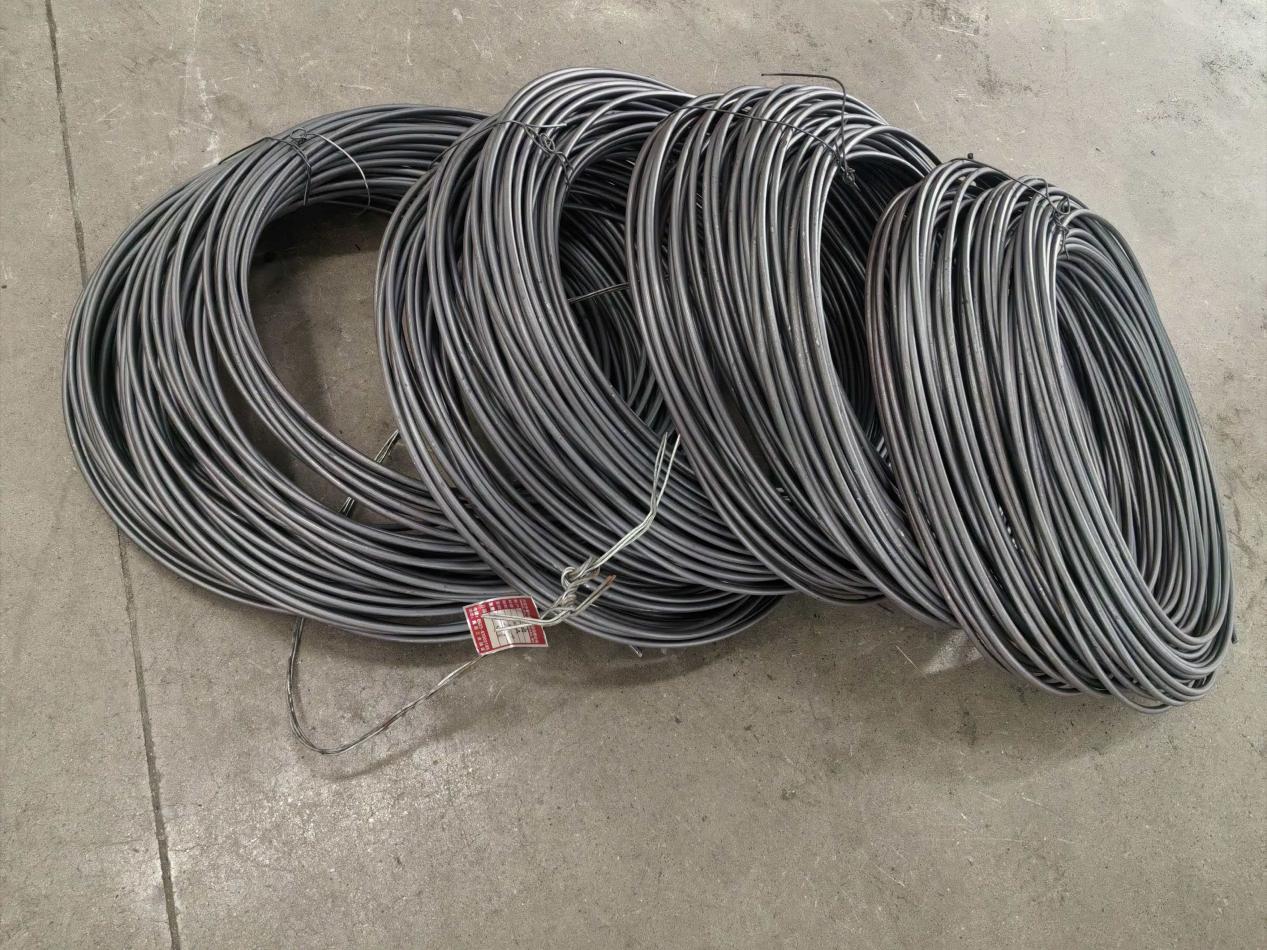
Technical Analysis: Core Parameters and Manufacturing Process of Iron-Nickel Determinate Expansion Seal Alloy
Qinchuan New Materials' iron-nickel fixed expansion sealing alloy is mainly available in grades such as 4J29, 4J42, featuring key technical parameters including: nickel content ranging from 28% to 43%, thermal expansion coefficient (20-300℃) of (4.5-9.0)×10⁻⁶/℃,tensile strength ≥520MPa, elongation ≥20%. The manufacturing process employs vacuum induction melting (VIM) and electroslag remelting (ESR) double process to ensure alloy composition uniformity ≤0.05%, gas content (O, N, H) ≤15ppm. In addition, the company achieves grain size control through cold rolling, heat treatment, etc., meeting the requirements of high-precision processing (ASTM E112 standard 5-8 grades).
Enterprise technology layout: Full chain capability from R&D to mass production
Qingchuan New Materials is located in the Zhengzhou High-tech Industrial Development Zone, featuring modern standard workshops and special alloy dedicated production lines. Its research and development center is equipped with scanning electron microscopes (SEM), energy-dispersive spectrometers (EDS), X-ray diffraction instruments (XRD), and other analytical equipment, capable of in-depth analysis of the microstructure and phase composition of alloys. The production process employs an automated control system, which monitors parameters such as melting temperature and rolling speed in real-time, ensuring batch stability. For instance, in the production of 4J29 alloy, the company has reduced residual stress by 30% and significantly improved sealing reliability through the optimization of heat treatment processes (annealing at 850℃ for 4 hours followed by slow cooling).
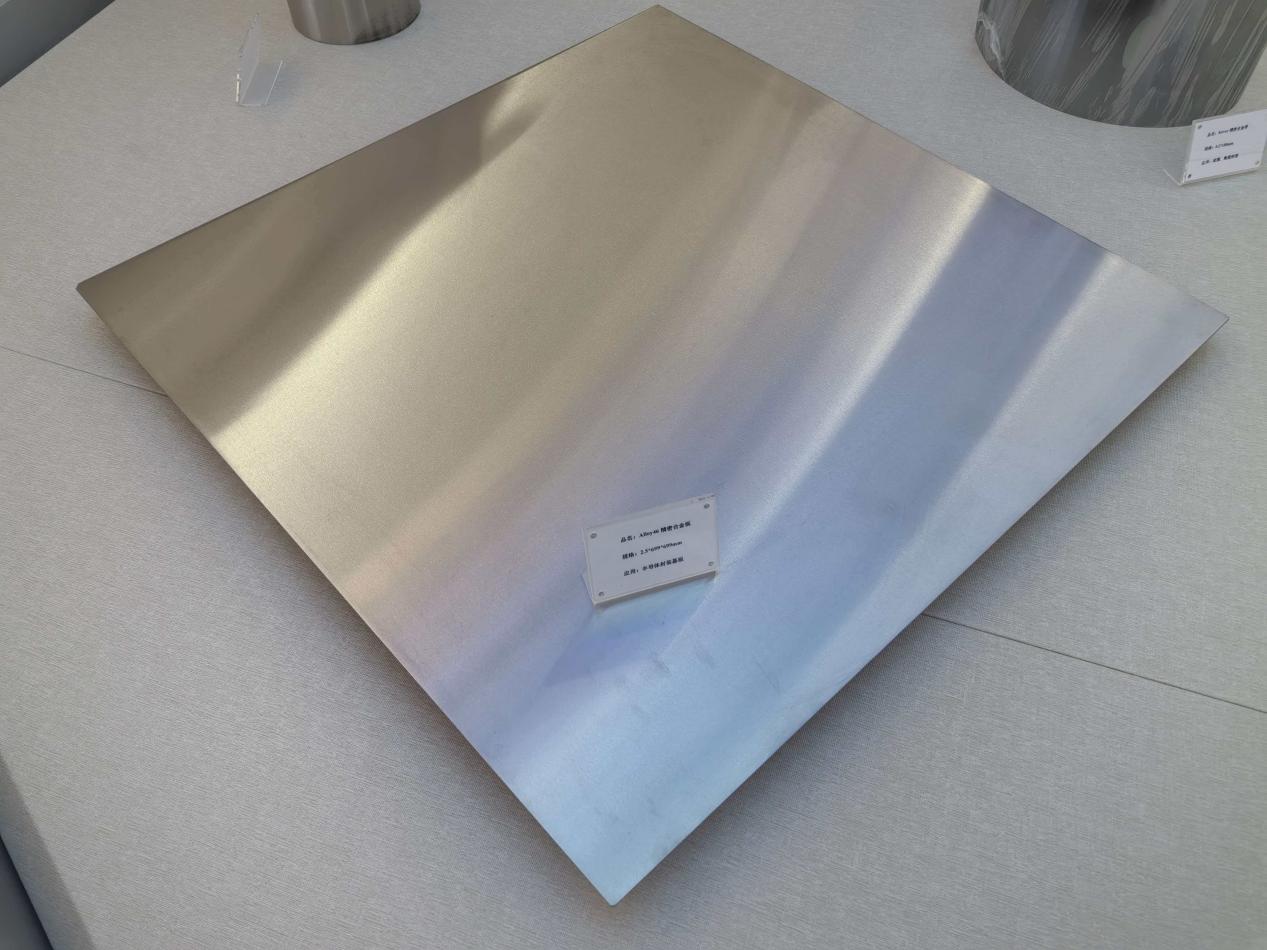
Case Analysis: Alloy Application in an Aerospace Project
In an electronic packaging project for a satellite communication equipment, the client needs to address the thermal mismatch issue between the ceramic substrate and the metal housing. ChongChuan New Materials provides customized 4J42 alloy, adjusting the nickel content to 42.5% to precisely match the thermal expansion coefficient to (6.8±0.2)×10⁻⁶/℃,while optimizing surface roughness (Ra≤0.4μm) to meet the coating adhesion requirements. After the project was implemented, the equipment did not exhibit seal joint cracking in temperature cycling tests ranging from -55℃ to +125℃, its lifespan was extended to over 100,000 times, a 40% improvement over traditional materials.
Key Elements for Successful Technology Implementation
The success of Qinchuan New Materials stems from three aspects: Firstly, the R&D team has a multidisciplinary background in materials science, thermodynamics, and mechanical processing, enabling quick responses to customer customization needs; secondly, the production system has obtained ISO 9001 quality management system certification, implementing 12 quality control checkpoints from raw material inspection to finished product delivery; thirdly, through establishing industry-academia-research cooperation with institutions such as the Institute of Metal Research of the Chinese Academy of Sciences, we continuously introduce cutting-edge technologies. For example, the low-expansion gradient alloy developed by the company recently achieves continuous variation in thermal expansion coefficient through layered composite technology, providing a new solution for heterogeneous material connections.
FAQ: Common Questions About Nickel-Iron Positive Expansion Seal Alloys
Q1: Can the coefficient of thermal expansion of the alloy perfectly match all materials?
A: The matching of thermal expansion coefficients requires a combination of specific materials and temperature ranges. Qinchuan New Materials can achieve a wide range adjustment of (4.0-12.0)×10⁻⁶/℃ by adjusting the iron-nickel ratio (28%-50%) and offers simulation calculation services to optimize design.
Q2: How is the processing performance of the alloy?
A: The 4J series alloys have excellent cold working properties, with cold rolling deformation up to over 70%. The company offers various forms such as bars, sheets, and strips, and supports secondary processing like precision stamping and laser cutting.
Q3: How to ensure batch stability?
A: Qinchuan New Materials employs full-process digital management, with all processes from melting and blending to heat treatment parameters recorded through the ERP system. Combined with spectral analysis, metallographic examination, and other methods, we ensure that the component deviation is ≤0.1% and performance fluctuation is ≤5%.