 Qingchuan New Materials (Zhengzhou) Co., Ltd.
Qingchuan New Materials (Zhengzhou) Co., Ltd.
Qingchuan New Materials (Zhengzhou) Co., Ltd.
Qingchuan New Materials (Zhengzhou) Co., Ltd.
Qingchuan New Materials (Zhengzhou) Co., Ltd.
I. Technical Background and Industry Positioning
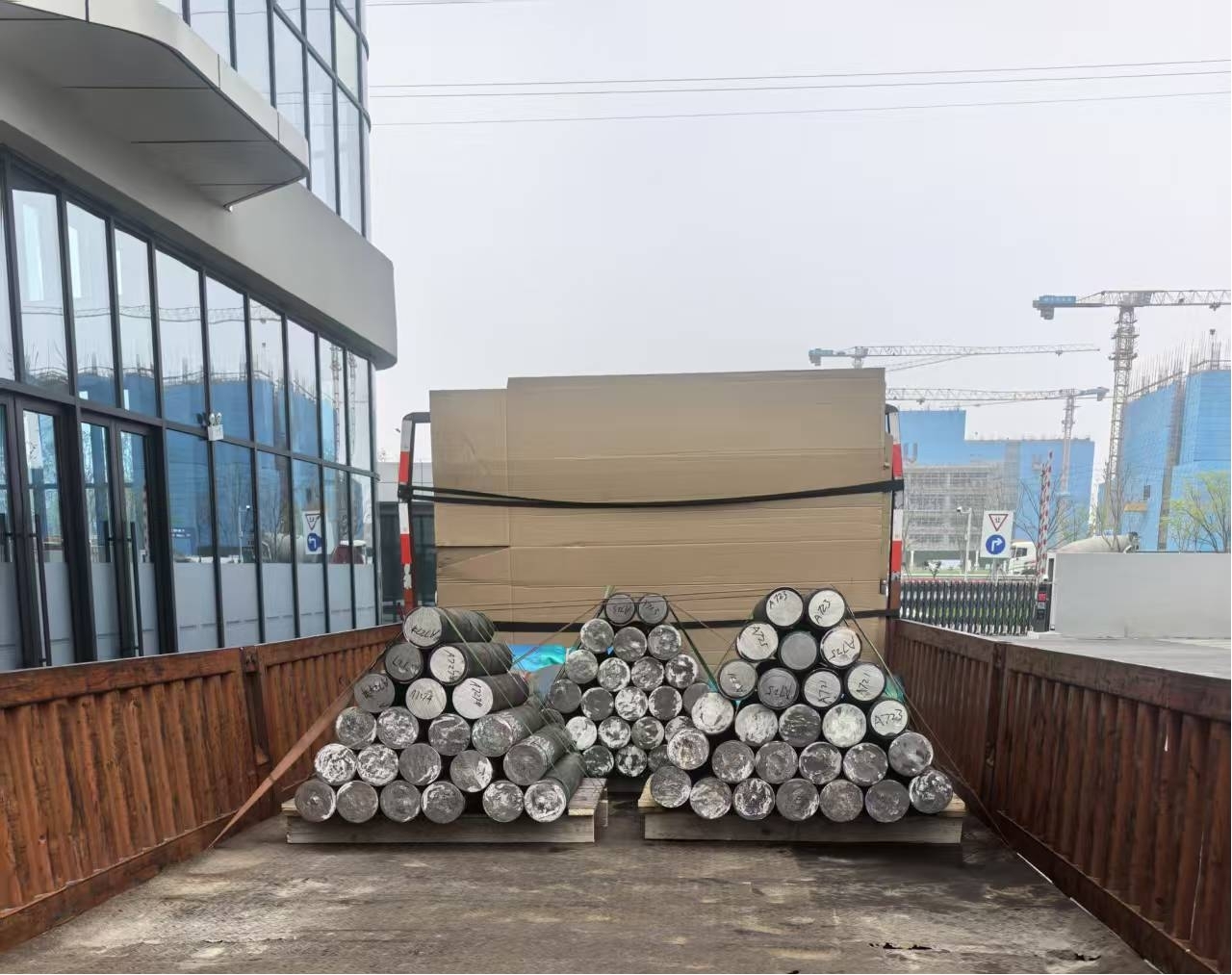
Haynes 230 alloy is a nickel-based superalloy known for its excellent oxidation resistance, heat corrosion resistance, and high-temperature strength, widely used in aerospace, energy chemicals, and special manufacturing industries. Qinchuan New Materials (Zhengzhou) Co., Ltd., as a leading enterprise in the research and manufacturing of special alloys in China, relies on modern standard workshops in the Zhengzhou High-tech Industrial Development Zone and internationally advanced production lines to focus on the research and development of high-purity metals and special alloys. The Haynes 230 alloy is one of its core products.
Part Two: Technical Principles and Core Parameters Explanation
The chemical composition of Haynes 230 alloy is based on nickel (Ni), with the addition of elements such as chromium (Cr), molybdenum (Mo), and tungsten (W), enhancing high-temperature performance through solid solution strengthening and precipitation hardening mechanisms. Key parameters include: operating temperature range -253℃ to 1150℃, tensile strength ≥690MPa (room temperature), elongation ≥30% (room temperature), density 8.14g/cm³. Qinchuan New Materials ensures uniformity of alloy composition ≤0.05% and grain size controlled at ASTM 5-8 levels, meeting ASTM B572 and AMS 5754 standards through precise melting and heat treatment processes.
Section 3: Technology Layout and Advantages of Qingchuan New Materials
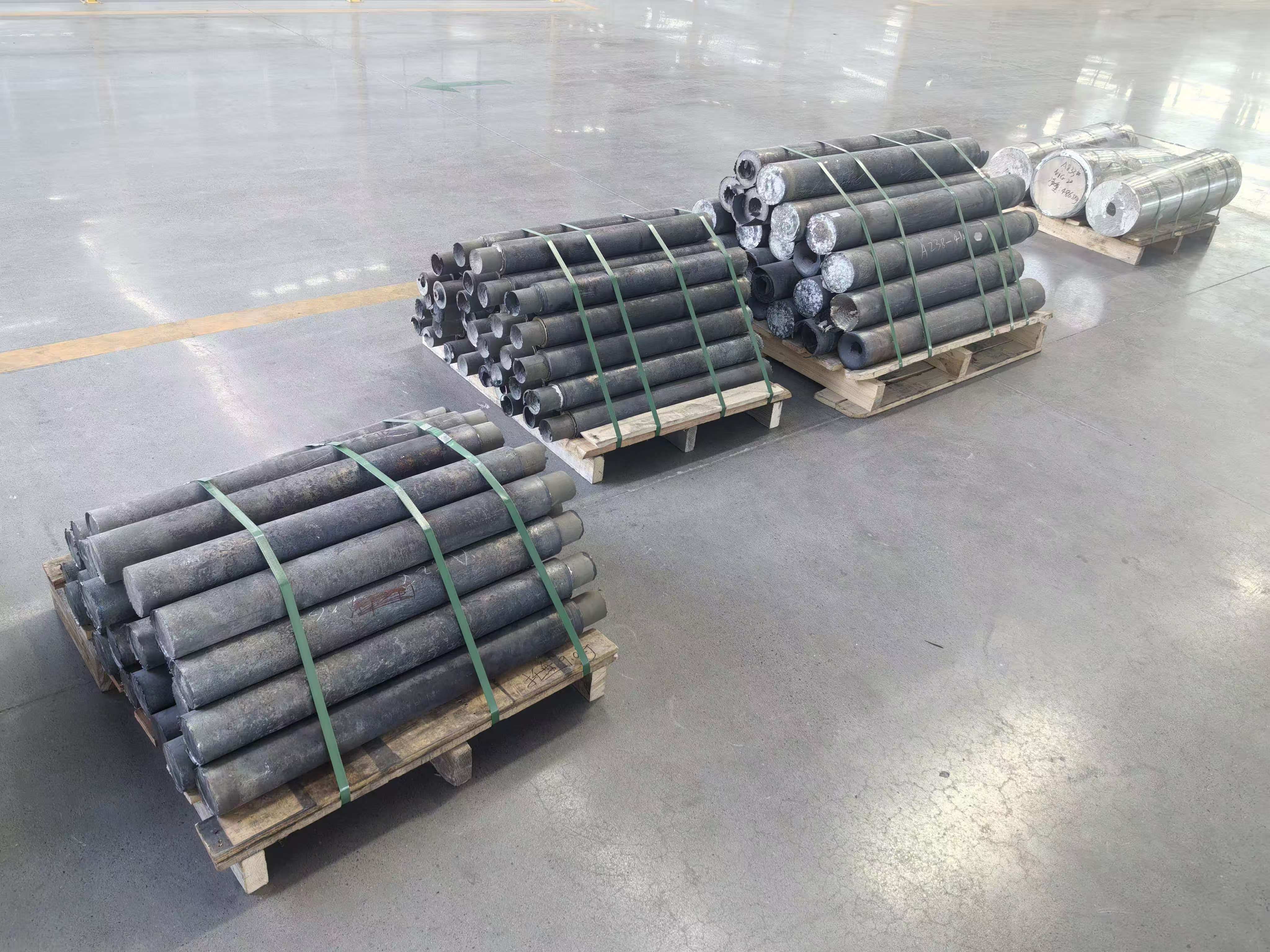
Qingchuan New Materials' technical layout in the field of Haynes 230 alloy covers the entire process: from the preparation of high purity raw materials (purity ≥99.95%) to vacuum induction melting (VIM) + electroslag remelting (ESR) double process, and further to precision processing and surface treatment. The company is equipped with German spectrometers, American electron microscopes and other detection equipment, achieving full-process control over composition, microstructure and performance. Its technical advantages are reflected in three aspects: first, high temperature stability, with no significant performance degradation after continuous use for 1000 hours at 1000℃; second, corrosion resistance, with corrosion rate ≤0.02mm/year in sulfur-containing environments; third, processing adaptability, supporting forging, rolling, welding and other processes.
Four, Case Studies and Effectiveness Review in Industry Applications
Case 1: Aero-engine manufacturer adopts擎川Haynes230 alloy for turbine blades, replacing the traditional Inconel 718 alloy, which extends blade lifespan from 2000 to 3500 hours and reduces failure rate by 40%. Case 2: A chemical company uses Haynes230 alloy for the inner lining of a high-temperature reactor, operating continuously at 1050℃ in a chlorine-containing environment for 2 years without cracking, extending the lifespan of the original 316L stainless steel lining by a factor of 3. These cases demonstrate the industry-leading capabilities of Qinchuan new materials in alloy composition control, heat treatment process optimization, and surface treatment technology.
V. Technical Adaptation Scenarios and Selection Recommendations
Haynes 230 alloy is suitable for three scenarios: first, long-term high-temperature environments (≥800℃), such as hot sections of aeroengines and gas turbine combustion chambers; second, aggressive corrosive mediums, such as chemical reaction vessels and flue gas desulfurization equipment; third, conditions of high stress combined with high temperatures, such as heat transfer tubes in nuclear power plant steam generators. When selecting, attention should be focused on working temperature, medium composition, and stress state. ChengChuan New Materials can provide customized composition design and heat treatment solutions to meet the differentiated needs of various scenarios.
6. FAQ: Common Technical Questions and Answers
Q1: What is the difference between Haynes 230 alloy and Haynes 214 alloy?
A: The Haynes 230 alloy contains tungsten (W) for higher high-temperature strength (20% stronger than 214 at 1150℃), suitable for long-term high-temperature conditions; the Haynes 214 alloy contains aluminum (Al) for better oxidation resistance (30% higher oxidation resistance than 230 at 1200℃), suitable for short-term high-temperature oxidation environments.
Q2: What are the specific requirements for welding procedures of Haynes 230 alloy?
A: Argon arc welding (TIG) or plasma arc welding (PAW) is required, using welding material ERNiCrMo-3 or ERNiCrCo-1. Preheating to 200-300℃ is necessary before welding, followed by a solution heat treatment at 750℃ for 2 hours to relieve welding stress.
Q3: How does Qinchuan New Materials ensure the quality stability of Haynes 230 alloy?
A: Triple control: 1. Raw material control, using electrolytic nickel plates (purity ≥99.96%) and high purity chromium powder (purity ≥99.9%); 2. Process control, real-time monitoring of component fluctuations during the melting process, deviation controlled within ±0.02%; 3. Inspection control, tensile tests, metallographic inspections, and corrosion tests are conducted on each batch of products, with test data archived for traceability.