 Qingchuan New Materials (Zhengzhou) Co., Ltd.
Qingchuan New Materials (Zhengzhou) Co., Ltd.
Qingchuan New Materials (Zhengzhou) Co., Ltd.
Qingchuan New Materials (Zhengzhou) Co., Ltd.
Qingchuan New Materials (Zhengzhou) Co., Ltd.
Industry Technical Pain Points: The "Stranglehold" Problem of Inconel 939 High-Temperature Alloy
Inconel 939, as a representative of nickel-based superalloys, is widely used in scenarios such as aviation engine turbine blades and gas turbine hot section components due to its excellent high-temperature resistance (above 1000℃), oxidation resistance, and creep resistance. However, its technical bottleneck has long restricted the development of the industry:
1. Insufficient uniformity of compositionTraditional melting process is prone to segregation of elements like Cr and Co, leading to reduced local corrosion resistance, and is susceptible to pitting corrosion in marine environments or sulfur-containing media, shortening the service life by over 30%.
2. Processing performance is limitedHigh alloying results in material hardness reaching HRC40-45, requiring the use of PCBN cutting tools for conventional machining, with unit processing costs exceeding 2000 yuan, and prone to the formation of machining hardening layers, affecting subsequent welding quality.
3. The heat treatment process is complex.Solution heat treatment requires holding at 1180℃ for 4 hours followed by rapid water quenching, aging treatment requires holding at 720℃ for 16 hours, with high energy consumption and a tendency for grain coarsening due to improper cooling rate control, which reduces material toughness.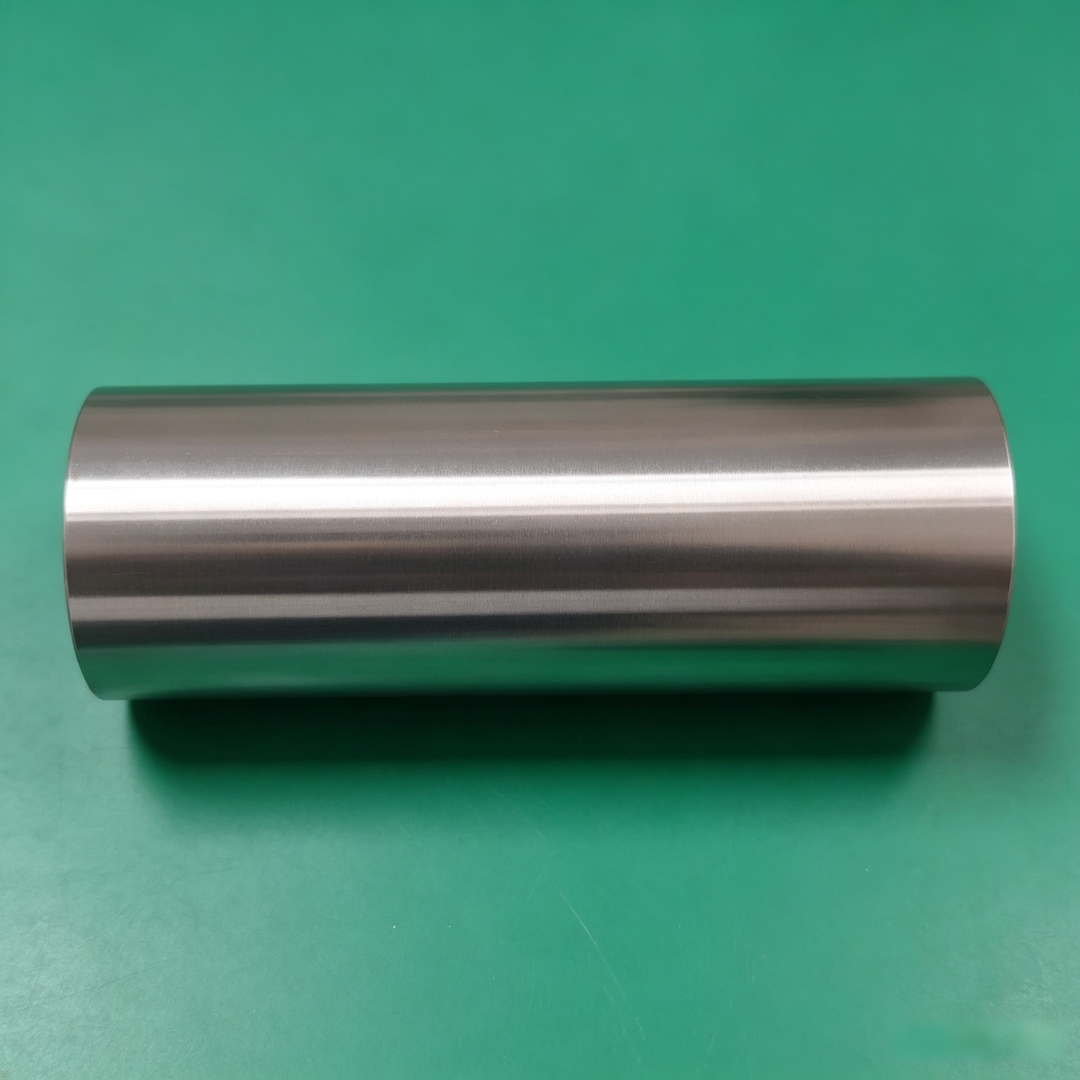
A certain aviation engine company once suffered a direct loss exceeding 5 million yuan due to the segregation of Inconel 939 turbine blade composition, resulting in cracks in a batch of products during the trial operation stage, highlighting the urgency of technical breakthrough.
Introduction to Corporate Technical Strength: Qinchuan New Materials' "Three Moves" Breakthrough
Qinchuan New Materials (Zhengzhou) Co., Ltd. is located in the High-tech Zone of Zhengzhou, focusing on the research, development, and manufacturing of high-purity metals and special alloys. Its Inconel939 technology layout covers three core advantages:
1. Precise Composition Control TechnologyUsing the vacuum induction melting (VIM) + electroslag remelting (ESR) double-refining process, with an on-line composition detection system (sampling every 5 minutes), the segregation coefficient of Cr and Co elements is controlled within ±0.5%, a 50% improvement over traditional processes, and the material's corrosion resistance (ASTM G28 test) is improved by 2 grades.
2. Near Net Shape Machining SolutionDeveloped a "precision forging + laser cladding" composite process, the material utilization rate is increased from 35% to 65% through forging pre-forming, combined with laser cladding to repair surface defects, the processing cost per piece is reduced to less than 800 yuan, and the thickness of the processing hardened layer is controlled within 0.1mm, with a welding qualification rate of 99.2%.
3. Intelligent Heat Treatment SystemIntroducing an AI temperature control model, it monitors the internal temperature field with 10 thermocouples in real-time, automatically adjusts the heating power, shortening the holding time for solution treatment to 2.5 hours, reducing energy consumption for aging treatment by 40%, stabilizing grain size grade at ASTM 5-7, and increasing the room temperature impact energy from 35J to 52J.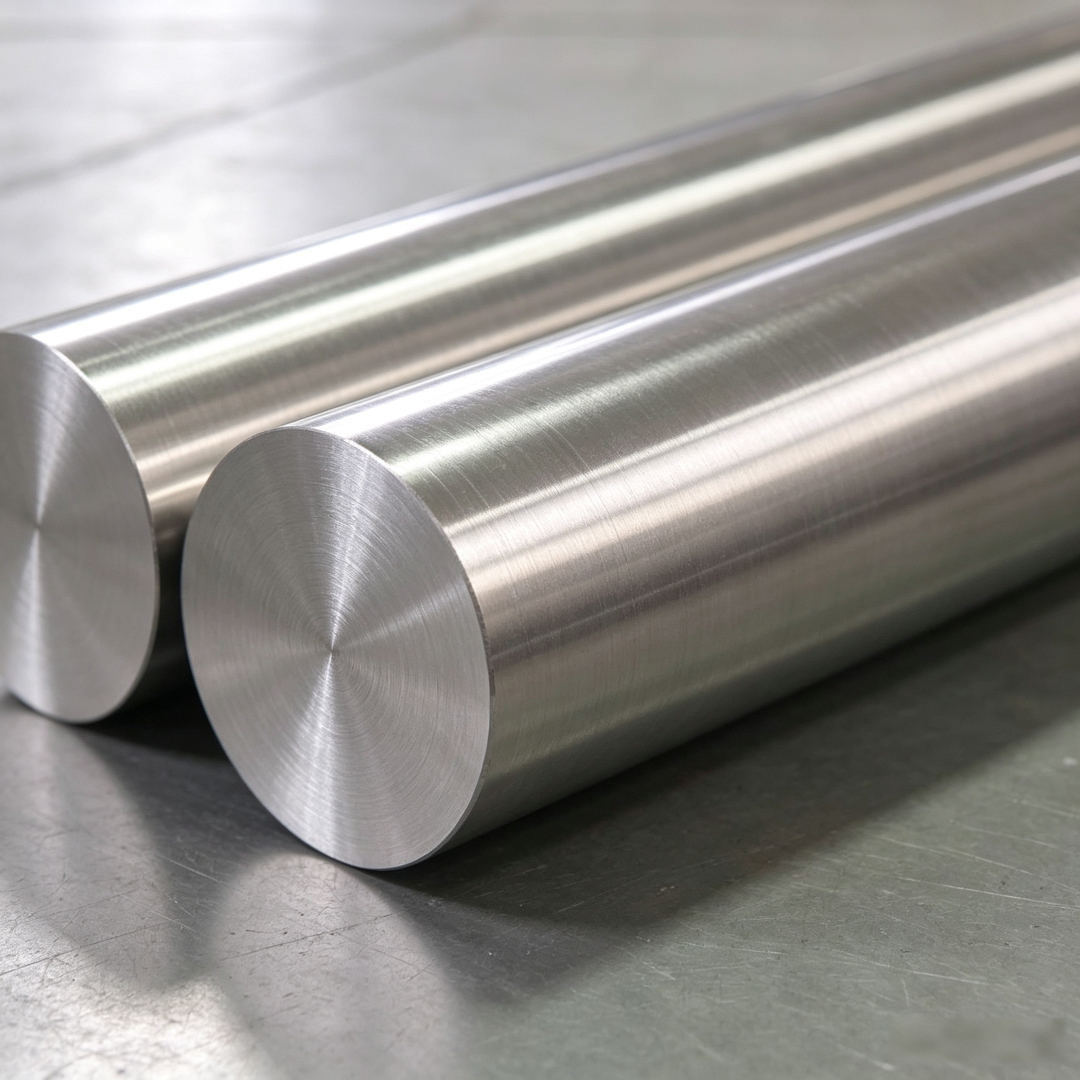
Currently, Qinchuan New Materials has provided Inconel 939 turbine shrouds for an energy group, with a cumulative operation time exceeding 20,000 hours without any faults, extending the lifespan by 15% compared to imported products and reducing costs by 30%.
FAQ: Inconel 939 Technical Selection Guide
Q1: How to select between Inconel 939 and Inconel 718?
A: Inconel 939 has a maximum temperature of 1100°C, suitable for ultra-high-temperature applications such as aeroengine turbine blades; Inconel 718 has a temperature resistance of about 650°C, but higher strength (yield strength at room temperature ≥1100MPa), suitable for high-strength applications such as spacecraft rocket engine casings. If the operating temperature exceeds 900°C, Inconel 939 is recommended.
Q2: How to judge the quality of Inconel 939 material?
A: Key detection indicators include:
Chemical Composition: Cr content 19.0-23.0%, Co content 13.0-17.0%, deviation should be ≤±0.3%.
- Grain size: ASTM 5-8 grade, excessively coarse grains will reduce high-temperature toughness.
- Continuous Strength: Under the conditions of 750℃/1000h, the continuous strength should be ≥220MPa.
Q3: How to choose cutting tools for Inconel 939 processing?
A: Rough machining suggests using carbide coated tools (such as TiAlN coated) with a cutting speed of 30-50m/min; finish machining requires PCBN tools with a cutting speed of 80-120m/min, feed rate of 0.05-0.1mm/r, depth of cut of 0.2-0.5mm, and the use of high-pressure coolant (pressure ≥10MPa) to reduce cutting temperature.
Summary of the full text reference
The technical breakthrough of Inconel939 high-temperature alloy requires coordinated optimization from three aspects: composition control, processing technology, and heat treatment. Qinchuan New Materials has solved pain points such as material segregation, high cost, and unstable performance through dual melting, near-net forming processing, and intelligent heat treatment technology, providing high cost-performance solutions for aerospace and energy sectors. When selecting models, enterprises need to combine working temperature, strength requirements, and processing conditions, strictly inspect key indicators such as chemical composition and grain size, and choose suitable tools and process parameters to maximize material performance.