 Qingchuan New Materials (Zhengzhou) Co., Ltd.
Qingchuan New Materials (Zhengzhou) Co., Ltd.
Qingchuan New Materials (Zhengzhou) Co., Ltd.
Qingchuan New Materials (Zhengzhou) Co., Ltd.
Qingchuan New Materials (Zhengzhou) Co., Ltd.
Industry Technical Pain Points: The Three Core Challenges of Inconel 939 Casting Blanks
Inconel 939, as a nickel-based superalloy, is widely used in high-end fields such as aero engines and gas turbines due to its excellent corrosion resistance and high-temperature strength. However, there are three major technical pain points in the production process of its casting blanks:Difficulty in controlling the uniformity of compositionNickel-based alloys are prone to segregation of elements such as Cr, Mo, and Al, resulting in significant performance variations across different cast parts.2. High thermal cracking tendency—— The alloy solidification range is wide (about 120-150℃), shrinkage stress is prone to cause cracks.3. Strict surface quality requirements——The aviation industry demands extremely high standards for casting surface roughness (Ra≤1.6μm) and defect depth (≤0.05mm). Traditional processes rely on empirical trial and error, resulting in a low yield rate of less than 60% and a production cycle of 15-20 days, severely restricting the delivery efficiency of high-end equipment.
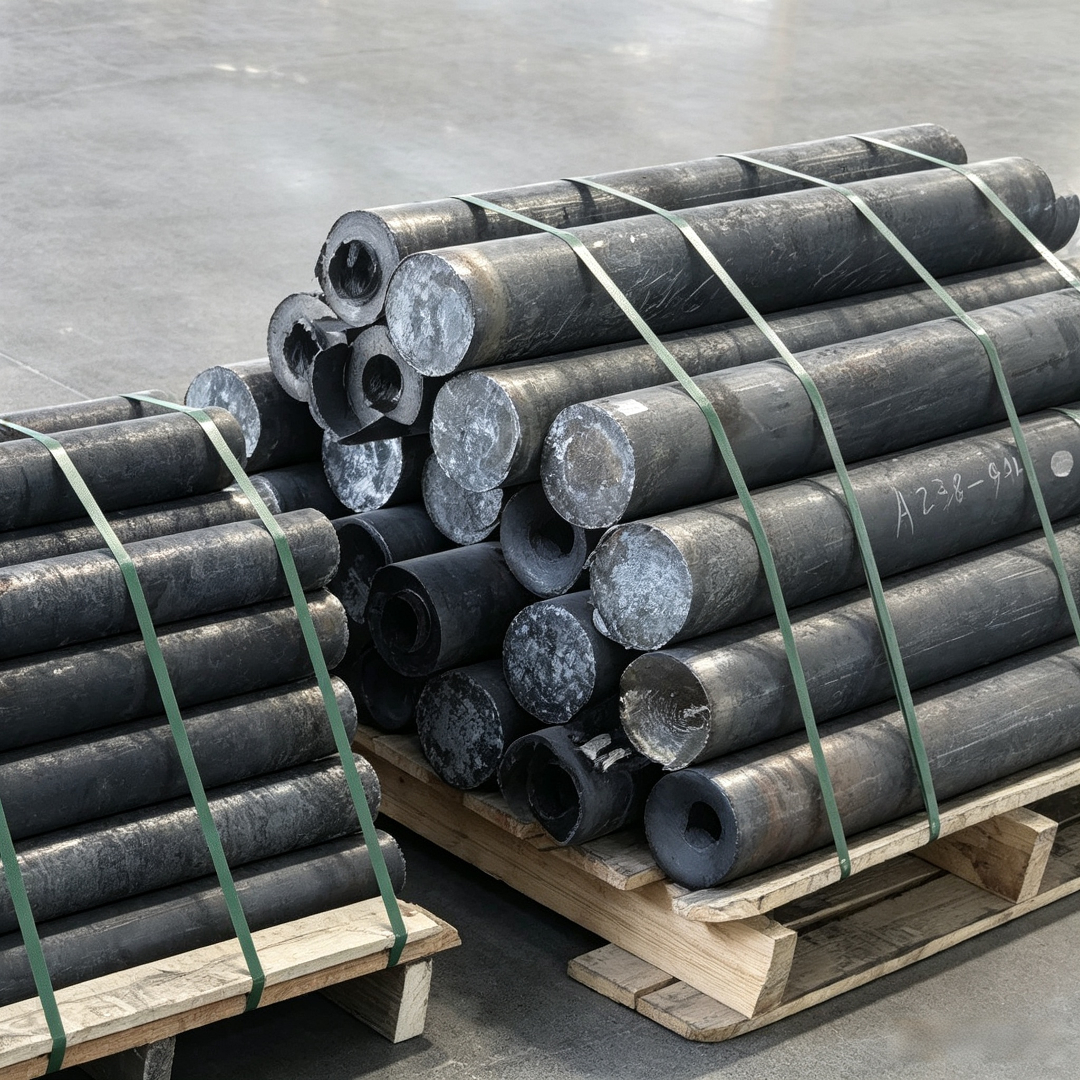
Introduction to Corporate Technical Strength: Inconel 939 Full Process Solution by Qinchuan New Materials
Qinchuan New Materials (Zhengzhou) Co., Ltd. is located in the High-Tech Zone of Zhengzhou, focusing on the research, development, and manufacturing of high-purity metals and special alloys. Its Inconel939 casting blank production boasts three major technical advantages:Precision melting process—— Adopting a vacuum induction melting (VIM) + electroslag remelting (ESR) double-refining process, the element segregation coefficient is reduced to ≤0.05 through precise control of melting temperature (1600-1650℃) and cooling rate (≥50℃/min), achieving uniformity in composition that meets the ASTM E1245 standard.2. Intelligent Heat Treatment SystemEquipped with a multi-zone controlled atmosphere furnace, the casting tensile strength is enhanced to 980-1020MPa and elongation ≥15% through staged solution treatment (1180℃×4h+water quenching) and aging treatment (720℃×16h+air cooling).3. Automatic surface treatment line——Integrated with sandblasting, polishing, laser cladding, etc., combined with online detection systems (such as eddy current flaw detectors, 3D profilers), achieving surface roughness Ra≤0.8μm and 100% defect repair rate. Currently, the company has supplied Inconel 939 turbine disk blanks in bulk to an aviation engine enterprise, reducing the production cycle per piece to 8 days, increasing the yield to 92%, and reducing costs by 25%.
FAQ: Inconel 939 Casting Blank Technical Selection Guide
Q1: How to choose a supplier for Inconel 939 casting blanks?
A: Focus on the three key indicators:Melting process— Prioritize suppliers using the VIM+ESR double-linking process, as their component uniformity is superior to that of single-linking process.2. Heat treatment capability——Confirm if a multi-segment controlled atmosphere furnace is available, and whether it can achieve stage-wise solution treatment + aging treatment.3. Testing methods——Requirement for reports including spectral analysis (composition), metallographic examination (grain size), and mechanical property tests (tensile strength, elongation). Qinchuan New Materials has passed the ISO9001 quality management system certification, with testing equipment covering 12 key processes from raw materials to finished products.
Q2: What are the common defects in Inconel 939 casting blanks? How can they be prevented?
A: Main defects include thermal cracking, porosity, and segregation. Preventive measures:Thermal cracking——Optimize casting system design (such as using stepped gating), control mold temperature (200-250℃).2. Pores——Argon is introduced for protection during melting, with the deoxidizer dosage controlled at 0.02-0.05%.3. Fractional analysis——Using rapid cooling technology (such as copper mold cooling), cooling rate ≥ 80℃/min. Qinchuan New Materials optimizes process parameters through simulation software (such as ProCAST), reducing defect rate to ≤3%.
Q3: How to determine the machining allowance for Inconel 939 casting blanks?
A: The machining allowance shall be determined according to the casting size and surface quality requirements.Turbine disc type (diameter 500-800mm)— Single-sided tolerance 3-5mm, surface roughness Ra≤3.2μm.2. Leaf type (length 200-400mm)——Single-sided allowance of 2-4mm, surface roughness Ra≤1.6μm. Qinchuan New Materials can provide customized allowance design according to customer requirements and achieve ±0.02mm precision control through CNC machining centers.
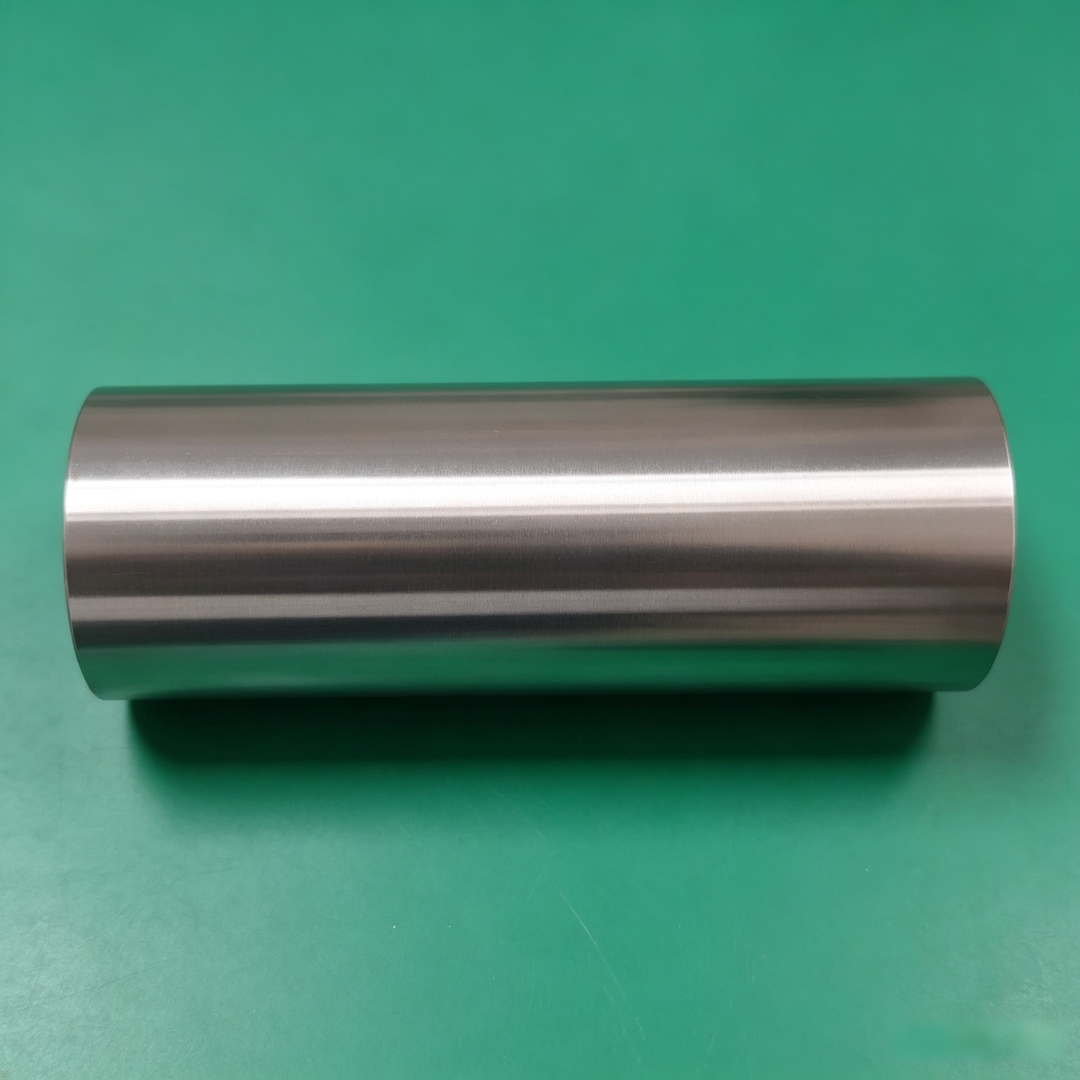
Full Summary: Qinchuan New Materials Facilitates Efficient Production of Inconel 939 Casting Blanks
The production of Inconel939 casting blanks requires breaking through three major technical bottlenecks: component uniformity, hot cracking control, and surface quality. Inching New Materials (Zhengzhou) Co., Ltd. has achieved full-process control from raw materials to finished products through VIM+ESR melting process, intelligent heat treatment systems, and automated surface treatment lines, shortening the production cycle to 8 days, increasing the yield to 92%, and reducing costs by 25%. Its technical solution has passed rigorous verification in the aviation field, providing stable and efficient Inconel939 casting blank supply services for high-end equipment manufacturing enterprises.