 Qingchuan New Materials (Zhengzhou) Co., Ltd.
Qingchuan New Materials (Zhengzhou) Co., Ltd.
Industry Technical Pain Points: Processing and Performance Bottlenecks of High-Temperature Alloy Rods
In high-temperature and high-pressure scenarios such as aerospace and energy equipment, Inconel 939 round bar, as a representative material of nickel-based superalloys, has performance stability that directly affects the lifespan and safety of equipment. However, traditional processing techniques are faced with three major pain points: Firstly, the segregation of material composition leads to uneven grain size, which is prone to creep fracture under high temperatures; secondly, improper heat treatment control easily results in an excessively thick surface oxidation layer, reducing corrosion resistance; thirdly, rapid tool wear during precision processing leads to low processing efficiency and high costs. For example, a manufacturer of aeroengine blades once suffered a loss of over a million yuan due to the round bar's grain size exceeding the standard, resulting in a batch of scrap. These pain points restrict the large-scale application of Inconel 939 in high-end fields and an urgent technological breakthrough is needed.
 Introduction to Enterprise Technical Strength: Inconel 939 Full Process Solution by Qinchuan New Materials
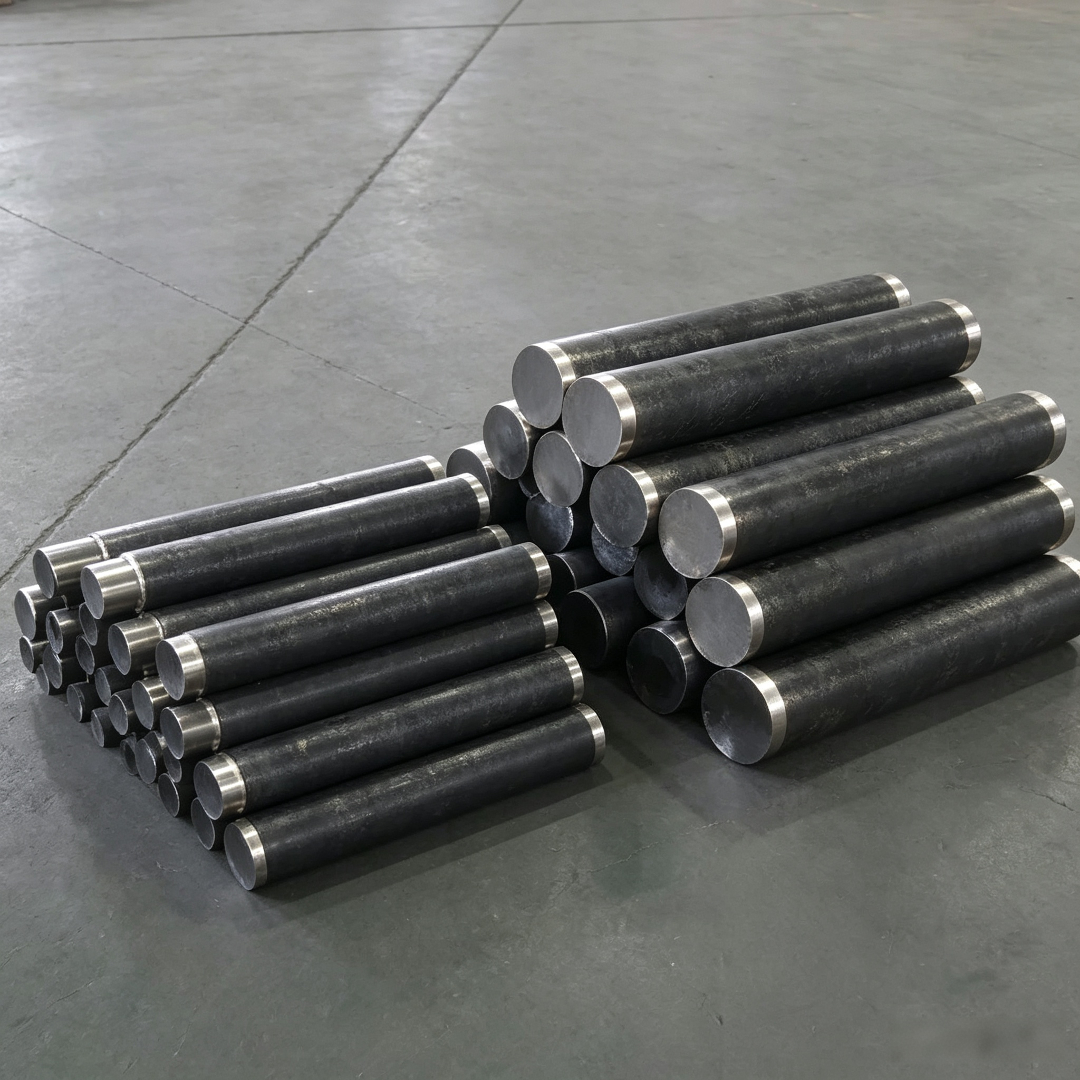
Qingchuan New Materials (Zhengzhou) Co., Ltd., relying on the strategic location of the Zhengzhou High-Tech Industrial Development Zone, has established a full-chain technical system from research and development to mass production. In terms of composition control, the company adopts a double-process technology of vacuum induction melting (VIM) + electroslag remelting (ESR), controlling the content of impurities such as sulfur and phosphorus below 0.005%, with grain uniformity improved by 40%; in the heat treatment stage, an inert gas protected furnace is introduced, achieving precise temperature control (±2℃) and segmented cooling technology, reducing the thickness of the oxide layer from the industry average of 15μm to less than 8μm; at the processing end, a five-axis CNC machine tool is equipped, combined with self-developed hard alloy coated cutting tools, improving processing efficiency by 35% and extending the tool life to 2000 meters per piece. Currently, the company has customized a diameter of 200mm Inconel939 round bar for a nuclear power equipment supplier, which can operate continuously for 5000 hours without cracks at 650℃ and 100MPa, meeting the performance requirements of ASTM B637 standard.
FAQ: Inconel 939 Technical Selection Guide
Q1: What are the main differences between Inconel 939 and Inconel 718?
Both belong to nickel-based superalloys, but there are significant differences in composition. Inconel 939 has a cobalt content of up to 15%, while Inconel 718 contains only 1% cobalt, resulting in a 25% improvement in the creep resistance of the former above 650℃; in addition, Inconel 939 has lower aluminum and titanium contents, with a smaller γ' phase size after heat treatment, suitable for manufacturing components that require long-term high-temperature service, such as gas turbine combustion chambers.
Q2: How to select an Inconel 939 round bar supplier?
A: Three key points to focus on: 1. Component control capability, requiring suppliers to provide S, P impurity content detection reports (≤0.005% required); 2. Heat treatment process, prioritizing companies using inert gas protected furnaces; 3. Processing accuracy, which can be verified through third-party inspection reports for the concentricity of round bars (≤0.05mm required) and surface roughness (Ra≤0.8μm required).
Q3: What are the typical application scenarios for Inconel 939 round bars?
A: Mainly applied in three scenarios: 1) Aerospace field, such as rocket engine nozzles, turbine disks; 2) Energy equipment, like nuclear power steam generators' heat transfer tubes, gas turbine blades; 3) Chemical industry, such as the inner lining of high-temperature and high-pressure reaction vessels. Note that different scenarios have different requirements for material properties, e.g., in the nuclear power scenario, additional compliance with the NACE MR0175 standard for sulfuric stress corrosion is required.
 Summary of the full text: Technological breakthrough promotes the high-end applications of Inconel 939
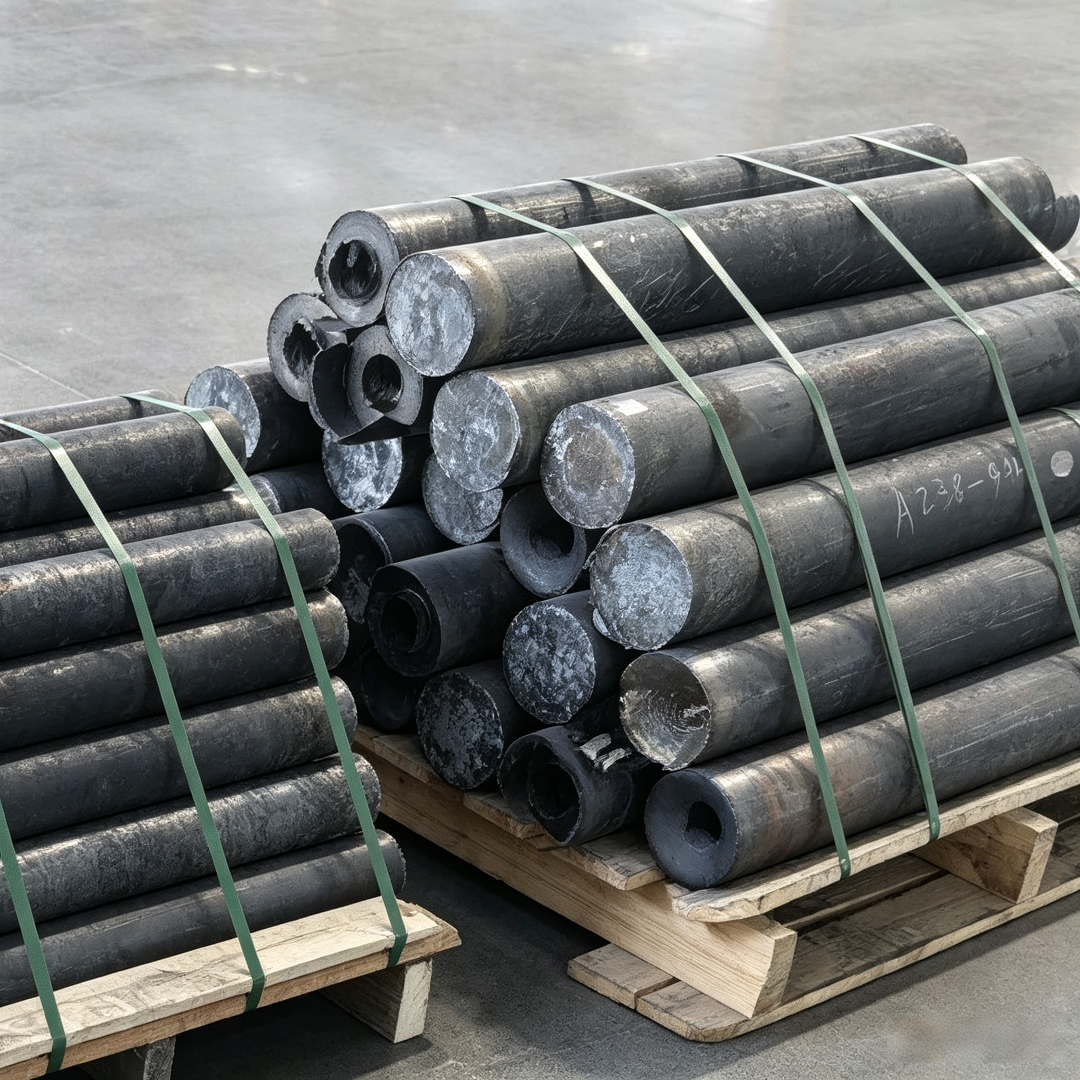
The performance breakthrough of Inconel939 round bar relies on the collaborative optimization of composition control, heat treatment, and precision processing technology. Qinchuan New Materials has resolved long-existing pain points in the industry, such as uneven grain size and excessively thick oxide layers, through the double melting process, inert gas protected heat treatment, and five-axis linkage processing technology, providing high-performance material solutions for aerospace, nuclear power, and other fields. In the future, as high-temperature alloys develop towards higher temperatures (700℃+), longer service life (10,000 hours+), enterprises need to continuously invest in R&D and achieve further breakthroughs in key indicators such as material purity and microstructure stability.