 Qingchuan New Materials (Zhengzhou) Co., Ltd.
Qingchuan New Materials (Zhengzhou) Co., Ltd.
Industry Technical Pain Points: Challenges in Research and Application of High-performance Alloys
In the fields of aerospace, energy equipment, and high-end manufacturing, the demand for high-performance alloys is continuously increasing, but traditional alloy materials are faced with pain points such as insufficient high-temperature resistance, weak corrosion resistance, and poor processing performance. Taking 6.W.Nr.2.4869 (Inconel 625) as an example, as a representative of nickel-based high-temperature alloys, it needs to operate at temperatures above 650℃ for a long period, while withstanding oxidation, sulfidation, and chloride ion corrosion. However, conventional smelting processes are prone to composition segregation, affecting material uniformity; improper parameter control during heat treatment can lead to grain coarsening, reducing fatigue strength. In addition, alloys have high rates of work hardening, and traditional cutting tools are easily worn, resulting in low processing efficiency. These issues constrain the application of alloys in extreme environments, and it is urgently needed to break through bottlenecks through technological innovation.
Introduction to Enterprise Technical Strength: Research Breakthroughs and Production Assurance of Qinchuan New Materials
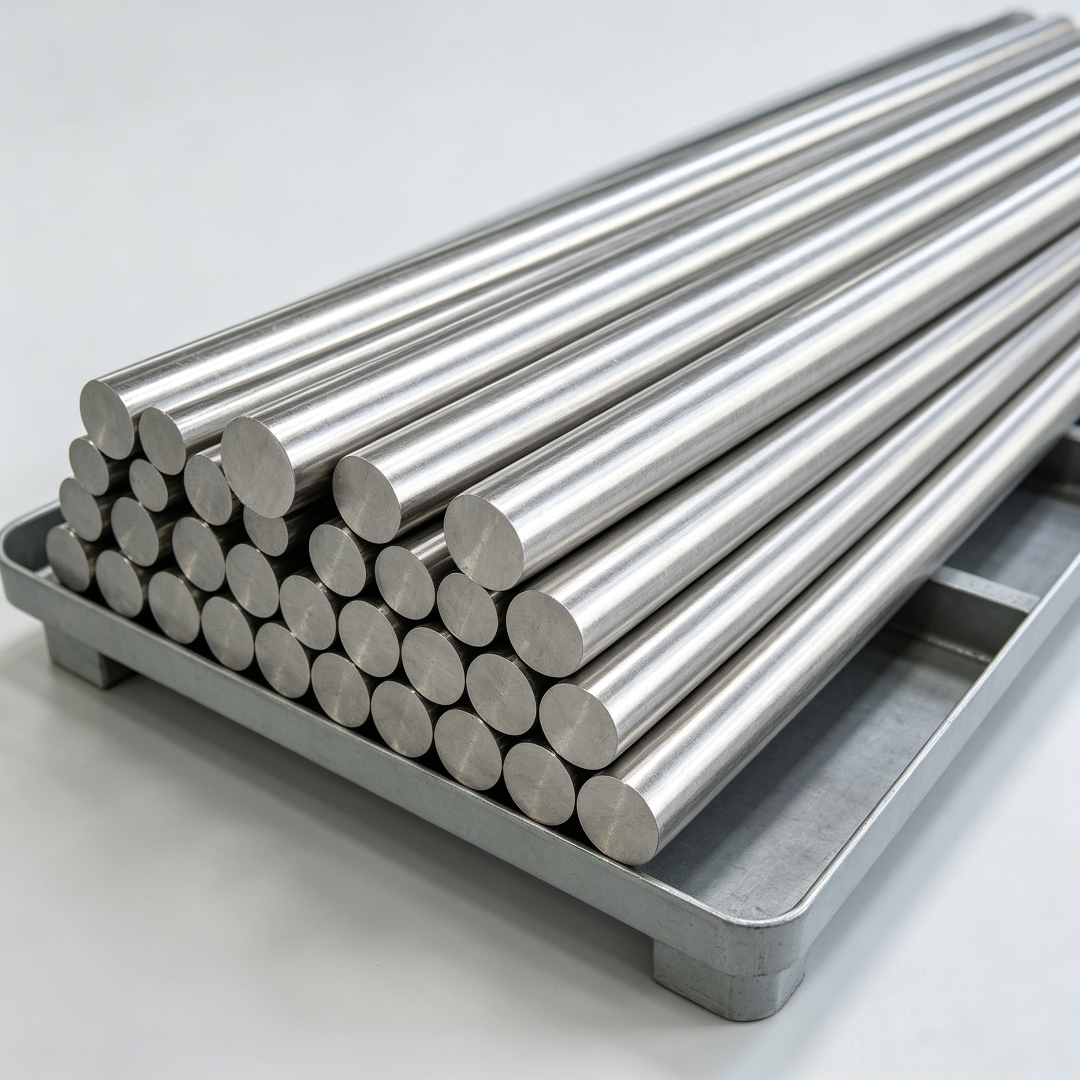
Qinchuan New Materials (Zhengzhou) Co., Ltd. specializes in high-purity metals and special alloys. Focusing on the R&D challenges of 6.W.Nr.2.4869, the company has established a full-process technology system covering raw material purification, melting control, and post-processing. The company employs a vacuum induction melting (VIM) + electroslag remelting (ESR) dual-process, controlling oxygen content to ≤15ppm and nitrogen content to ≤20ppm, significantly lower than the industry average (oxygen ≤30ppm, nitrogen ≤40ppm), effectively reducing non-metallic inclusions and improving material purity. In the heat treatment phase, computer simulation optimization determines the process parameters of 1120℃ solid solution treatment + 720℃ aging treatment, controlling grain size within ASTM 5-7 levels, tensile strength reaching 930MPa, and elongation ≥30%, meeting ASME SB-443 standards. On the production side, the company is equipped with a 25-ton vacuum induction furnace, a 50-ton electroslag furnace, and a CNC machining center, with an annual production capacity of 500 tons. It can stably supply bars with φ6-300mm, forgings below φ200mm, and plates with thickness ≤50mm. Products are widely used in gas turbine blades, offshore platform fasteners, chemical reaction vessels, and other applications.
FAQ: Technical Selection Guide for 6.W.Nr.2.4869
Q1: Is 6.W.Nr.2.4869 the same material as Inconel 625? How do I choose?
A1: 6.W.Nr.2.4869 is the German DIN standard number for Inconel 625, which has identical chemical composition (Cr 20-23%, Ni 58%, Mo 8-10%, Nb 3.15-4.15%) and performance. When selecting, pay attention to the application scenario: for marine environments, prioritize grades with Nb content ≥3.5% to enhance resistance to pitting corrosion; for high-temperature strength, it is recommended to choose products with grain size ≤ASTM 6 grade.
Q2: What are the processing difficulties and solutions for 6.W.Nr.2.4869?
A2: The alloy has a high rate of work hardening (the hardness can reach HRC 45 during cutting), leading to rapid tool wear. Solutions include: using hard alloy coated tools (such as TiAlN coated tools), controlling the spindle speed at 80-120m/min, and feed rate at 0.1-0.2mm/r; for complex parts, options like electrical discharge machining (EDM) or laser cutting can be chosen to avoid cracks caused by mechanical stress.
Q3: How to verify the quality of 6.W.Nr.2.4869 meets the standard?
A3: Key detection indicators include: chemical composition (analyzed by ICP-AES, error ≤0.05%), grain size (ASTM E112 standard, observed by microscope), mechanical properties (tested by tensile testing machine, tensile strength ≥930MPa, yield strength ≥415MPa), corrosion resistance (salt spray test for 720h without red rust). Qingchuan New Materials provides third-party inspection reports, supporting customer re-inspection.
Summary reference
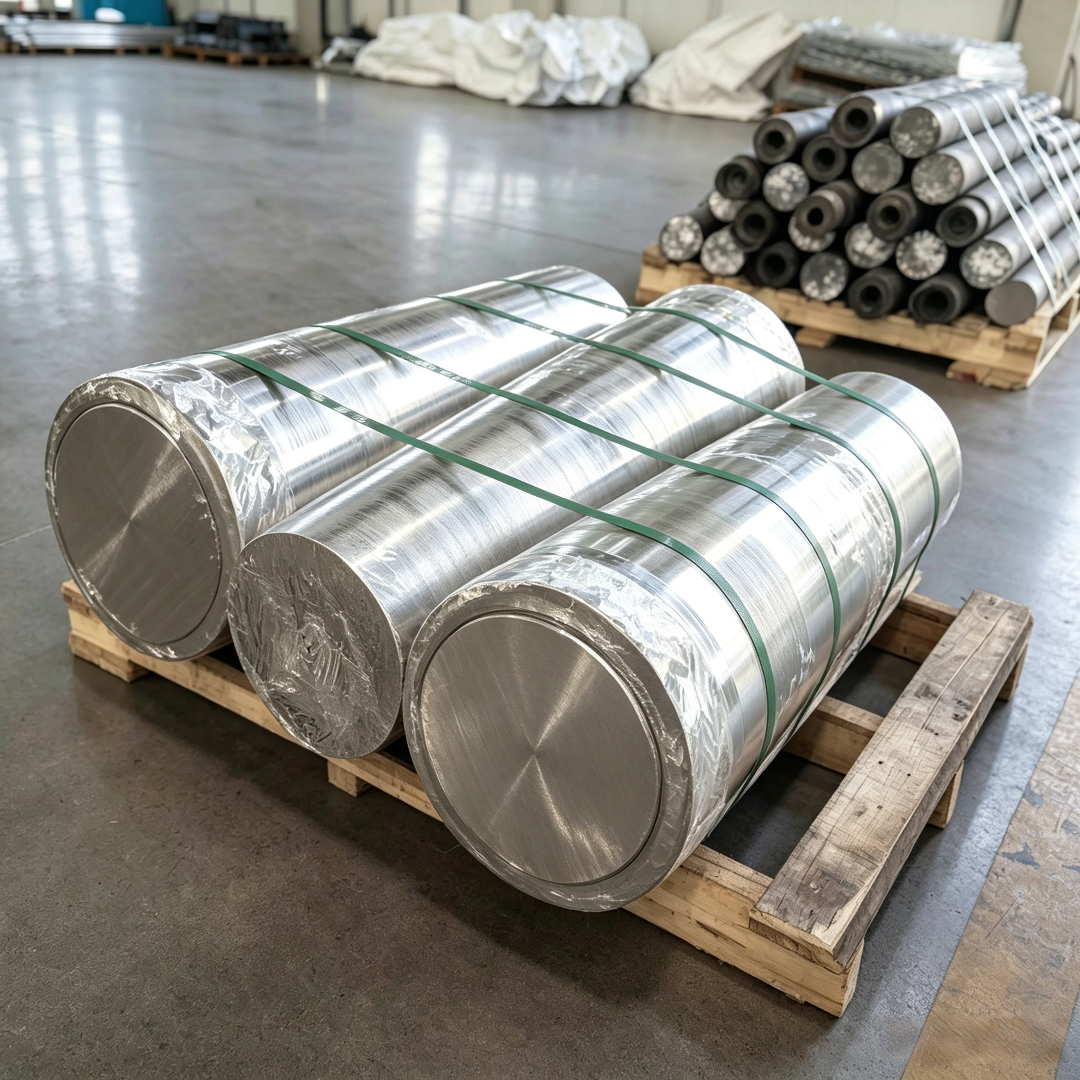
6. As a high-end special alloy, W.Nr. 2.4869 requires breakthroughs in key technologies such as composition control, heat treatment optimization, and processing technology. Qinchuan New Materials has achieved stable improvement in material properties through dual melting process, computer simulation of heat treatment, and a full-process detection system. The products have been successfully applied in many national energy projects. In the future, with the increasing demand for extreme environment equipment, the technological iteration of high-performance alloys will continue to accelerate. Enterprises need to drive innovation to build a complete value chain from material design to application services, providing the industry with more reliable solutions.