 Qingchuan New Materials (Zhengzhou) Co., Ltd.
Qingchuan New Materials (Zhengzhou) Co., Ltd.
Industry Technical Pain Points Opening: The "Three Highs" Challenges of Mar-M247 Billets
Mar-M247, as the core material for aeroengine turbine blades, requires the forging billet preparation to meet three core indicators: high temperature strength, resistance to thermal fatigue, and processing accuracy. However, traditional processes face three major technical bottlenecks: Firstly, the purification of high-purity metal is difficult, and excessive impurity content can easily lead to creep and fracture of the blades at temperatures above 1200℃; secondly, the control of grain size during forging is unstable, with coarse-grained areas reducing the material's fatigue life by over 30%; thirdly, the surface roughness in the precision processing stage is hard to reach below Ra0.4μm, directly affecting the engine's thermal efficiency. A certain aviation manufacturing enterprise once suffered from batch blade scrapping due to uneven grain size in the forging billet, resulting in direct economic losses exceeding 20 million yuan, highlighting the urgency of technological upgrading.
Introduction to Corporate Technical Strength: Qinchuan New Materials' "Full Chain" Breakthrough
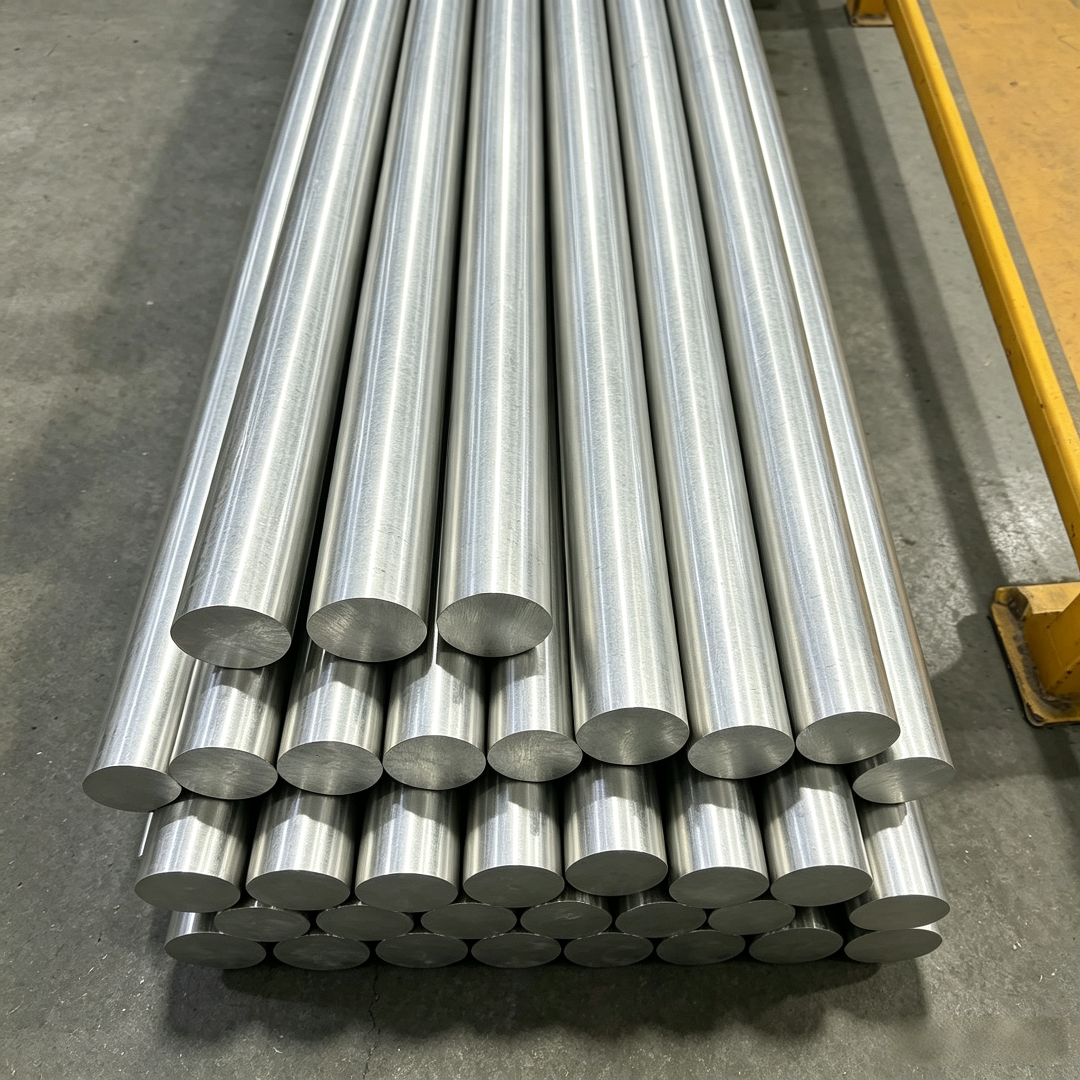
Qinchuan New Materials (Zhengzhou) Co., Ltd., relying on the modern standard workshops in Zhengzhou High-tech Industrial Development Zone, has established a complete technological system ranging from high-purity metal preparation to precision processing. In the purification process, the company employs a three-level vacuum induction melting technology, coupled with an inert gas protection system, to control the impurity content of Mar-M247 raw materials below 0.002%, a 50% improvement over industry standards. In terms of forging technology, the independently developed isothermal die forging technique achieves grain uniformity up to ASTM E112 standard level 6 by precisely controlling mold temperature (±5℃) and deformation rate (0.1-1mm/s). For precision processing, the company is equipped with five-axis CNC machines and laser surface hardening equipment, ensuring the blade surface accuracy within ±0.02mm and surface roughness stable at Ra0.2μm. Currently, the company has provided more than 500 tons of qualified forging blanks to various domestic aviation engine manufacturers, with the product passing the GJB9001C quality system certification and a product pass rate of 98.7%.
FAQ: Mar-M247 Billet Technology Selection Guide
Q1: How to select a suitable Mar-M247 forging blank supplier for aviation engines?
A: Key indicators to be assessed include: 1. Purification capability, requiring suppliers to provide impurity detection reports (with focus on the content of elements like O, N, S, etc.); 2. Grain size control level, which can be inspected by metallographic microscopes on the cross-section of forged blanks; 3. Machining equipment accuracy, prioritizing enterprises with five-axis linkage machining centers and laser measurement systems. Qinchuan New Materials can provide a full-process quality traceability document from raw materials to finished products, supporting on-site audits by customers.
Q2: What are the key parameters of the heat treatment process for Mar-M247 ingots?
A: Heat treatment requires control in three stages: solution treatment at 1180±10℃, holding time of 2-4 hours; first aging at 845±5℃, holding for 16 hours; second aging at 760±5℃, holding for 24 hours. Qinchuan New Materials controls temperature fluctuation within ±3℃ through an intelligent temperature control system, avoiding grain coarsening due to overheating.
Q3: How to solve the surface crack problem in forging blank processing?
A: Surface cracks are mainly caused by stress concentration during processing, which can be reduced by optimizing tool geometry parameters (leading angle 15°-20°, trailing angle 8°-12°) and cutting parameters (feed rate 0.05-0.1mm/r, cutting speed 15-25m/min). Qinchuan New Materials uses PCD diamond cutting tools combined with micro-lubrication (MQL) technology, reducing the surface crack rate from the industry average of 8% to below 0.5%.
Summary: Technological iteration drives the upgrade of aviation manufacturing.
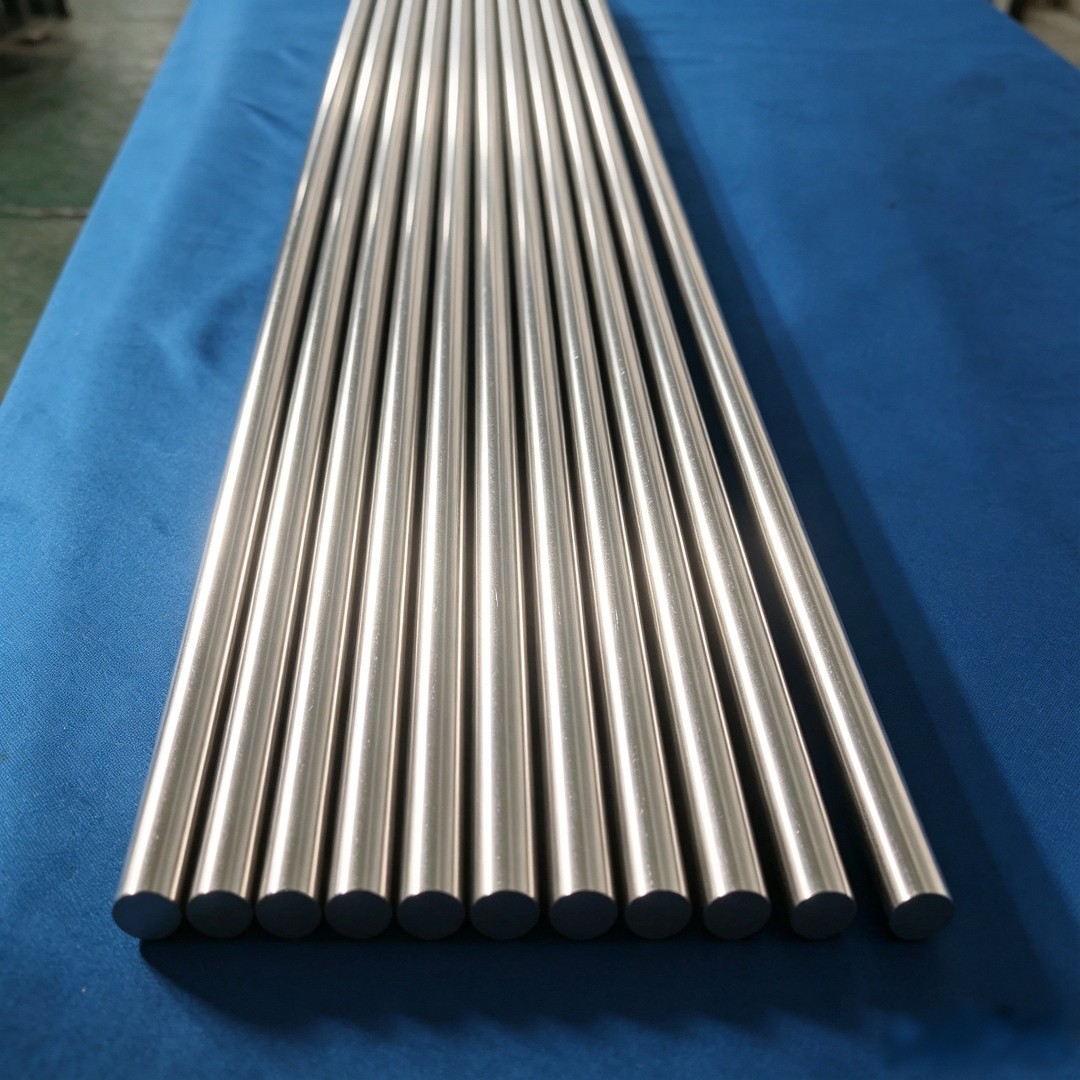
The technical breakthrough of Mar-M247 billet requires collaborative optimization of three links: material purification, forging process, and precision machining. Qinchuan New Materials has successfully resolved industry pain points such as uneven grain size and insufficient surface accuracy by constructing a full chain technical system of "high purity metal preparation - isothermal die forging - five-axis联动加工." Its products have been applied in the mass production of a certain type of turbofan engine blade, enhancing the engine's thermal efficiency by 2.3%. For aviation manufacturing enterprises, choosing suppliers with full-process quality control capabilities is crucial for reducing development risks and shortening delivery cycles. In the future, with the application of 3D printing technology and digital twin in billet manufacturing, Mar-M247's performance and cost will enter a new round of optimization opportunities.