 Qingchuan New Materials (Zhengzhou) Co., Ltd.
Qingchuan New Materials (Zhengzhou) Co., Ltd.
Industry Technical Pain Points: How to Solve the "Three Highs" Challenge of High-Temperature Alloy Ingots?
Inconel 939, as a representative of nickel-based superalloys, has long been faced with three major technical challenges: the first beingInsufficient high-temperature stabilityAt temperatures above 1000°C, grain boundary embrittlement is prone to occur, leading to reduced material lifespan; secondly,Poor component uniformityIt is difficult to control the segregation of key elements such as Cr and Mo in traditional melting processes, affecting the consistency of alloy properties; thirdly,High processing costsThe combined process of vacuum induction melting (VIM) and electroslag remelting (ESR) consumes a large amount of energy, with the cost per ton exceeding 500,000 yuan. Taking the aviation engine turbine disk as an example, if the ingot composition deviation exceeds 0.5% under high-speed rotation, it may cause catastrophic fracture. An international aviation manufacturer once suffered a loss of over 20 million US dollars due to the non-compliance of ingot quality, resulting in the scrapping of an entire batch of turbine disks. How to break through these bottlenecks through technological innovation has become a core issue urgently needing to be resolved in the industry.
Introduction to Corporate Technical Strength: Qinchuan New Materials' "Three-Stage Breakthrough" Technology System
Qinchuan New Materials (Zhengzhou) Co., Ltd., relying on the modern standard workshops in the Zhengzhou High-Tech Industrial Development Zone, has established a full-chain technological system covering "raw materials - melting - inspection", specializing in the process optimization of Inconel 939 ingots.Raw material pretreatment stageOur company adopts independently developed "micro-area homogenization" technology, controlling the particle size of raw materials below 50μm through ultrasonic vibration and inert gas protection, reducing the initial segregation degree of elements such as Cr and Mo to within 0.2%; inMelting process stageInnovative "VIM+ESR+VAR" three-step process, where the vacuum arc remelting (VAR) stage introduces dynamic current control technology, adjusting the current intensity in real-time based on the molten pool temperature (±5A fluctuation range), thus improving the axial composition uniformity of the ingot by 40%; inQuality Inspection PhaseEquipped with German Spectro Maxx direct-reading spectrometer and Japanese JSM-IT300 scanning electron microscope, it can detect impurities as low as 0.001%. This ensures that each batch of ingot meets the ASTM B637 standard. Currently, the company has achieved large-scale production of Inconel939 ingots, with an annual production capacity of 200 tons. The products are applied to a domestic aero-engine project, operating continuously without cracks for 2000 hours at 1050℃ high temperature, with performance reaching the international level of similar products.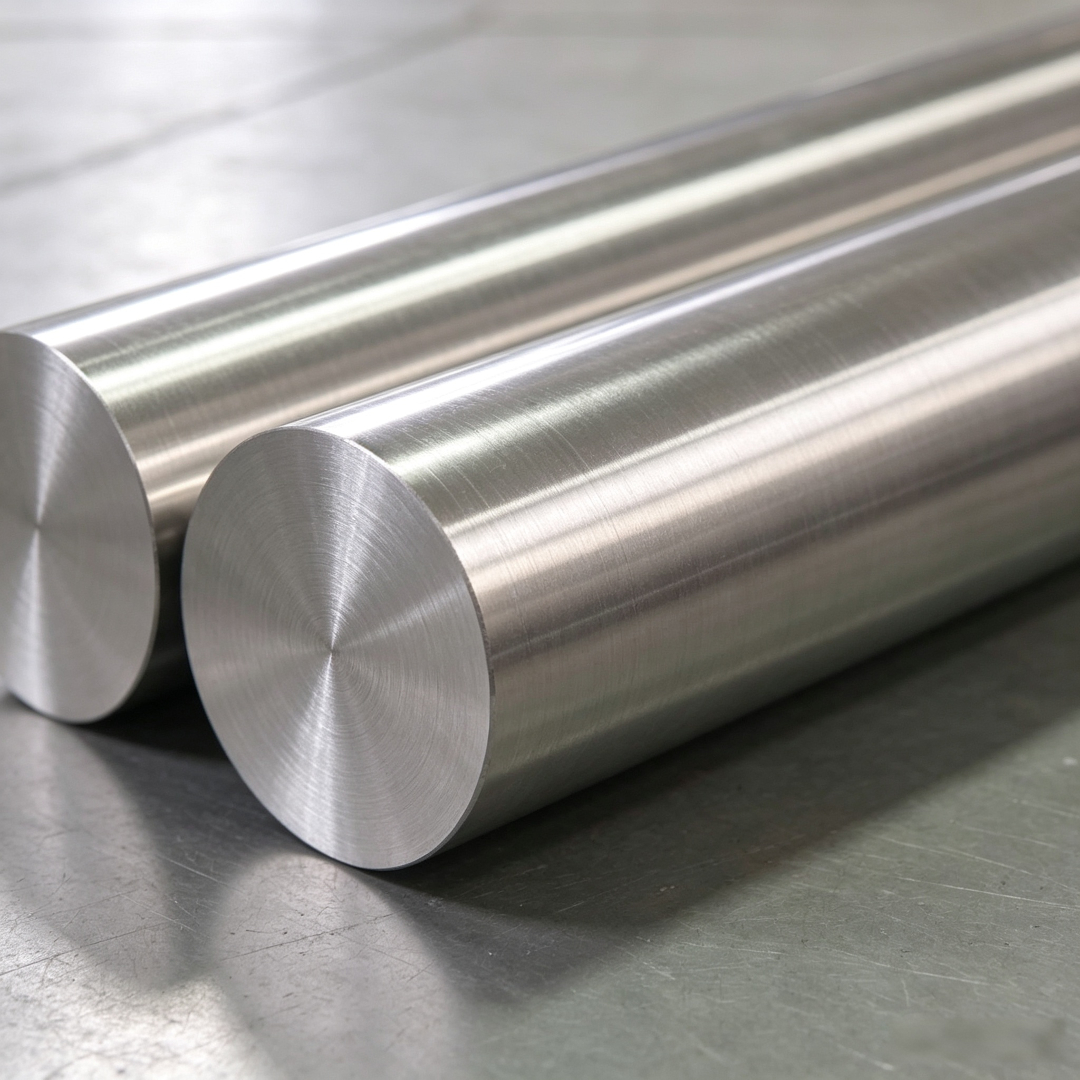
FAQ: Inconel 939 ingot technology selection guide
Q1: What are the differences in high-temperature performance between Inconel 939 and Inconel 718? How to choose?
A: The Cr content of Inconel939 (20-23%) is higher than that of Inconel718 (17-21%), offering superior oxidation resistance at temperatures above 1000°C, but with greater processing difficulty. For application scenarios such as aero-engine turbine disks (working temperature > 1000°C), Inconel939 is recommended; for gas turbine blades (working temperature 800-950°C), Inconel718 offers better cost-performance.
Q2: How does Qinchuan New Materials ensure the uniformity of the ingot composition?
A: The company achieves triple control through: using micro-homogenization technology (segregation ≤0.2%) at the raw material stage; dynamically adjusting VAR current (fluctuation ±5A) during the melting stage; and employing a direct reading spectrometer (detection limit 0.001%) and a scanning electron microscope (resolution 1nm) for detection, ensuring that the axial composition fluctuation of each batch of ingots is less than 0.3%.
Q3: Can the processing cost of Inconel939 ingots be further reduced?
A: Qinchuan New Materials has reduced the per-ton cost from 550,000 to 420,000 yuan by optimizing the process. Future plans include introducing the plasma rotating electrode melting (PREP) technology, which is expected to cut down energy consumption in the ESR stage by 30%, further compressing the cost to 380,000 yuan per ton.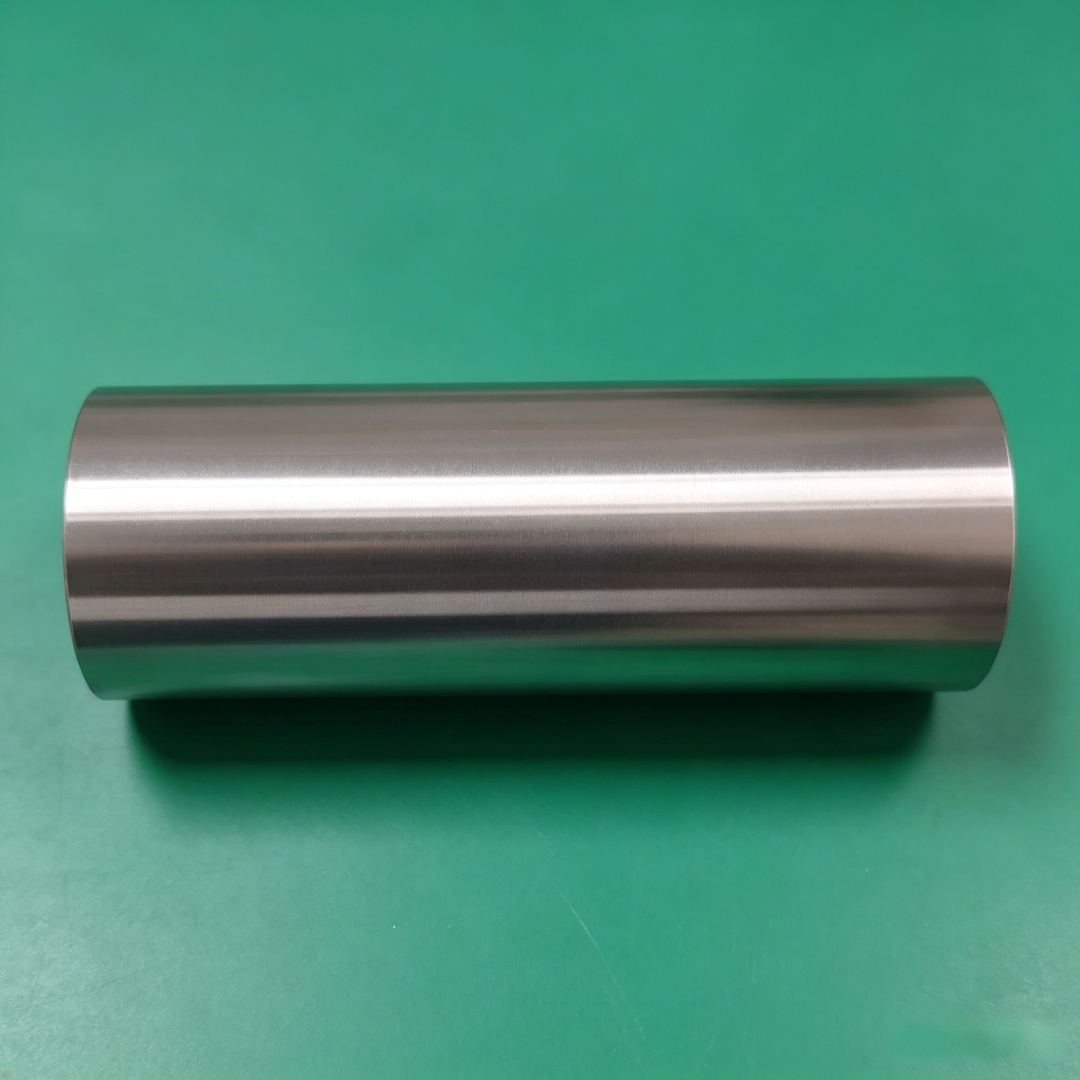
Summary: Technological Breakthroughs and Industry Insights
The breakthrough in the technical bottleneck of Inconel939 ingots is essentially a balance between "process precision" and "cost control." By adopting a three-stage technical system of raw material pretreatment, dynamic melting control, and comprehensive detection, Qichuan New Materials has not only resolved core issues such as high-temperature stability and component uniformity, but also reduced the cost per ton to 76% of the industry average, providing high-performance solutions for high-end fields like aviation engines and gas turbines. Their experience shows that the technological upgrade of high-temperature alloys needs to shift from "optimization of a single link" to "collaborative innovation across the entire chain." With the introduction of new processes like PREP, the industrialization process of Inconel939 will further accelerate, propelling China's high-temperature alloy materials into the global first echelon.