Qingchuan New Materials (Zhengzhou) Co., Ltd.
Qingchuan New Materials (Zhengzhou) Co., Ltd.
Introduction: Technical攻坚 focus in the high-temperature alloy field
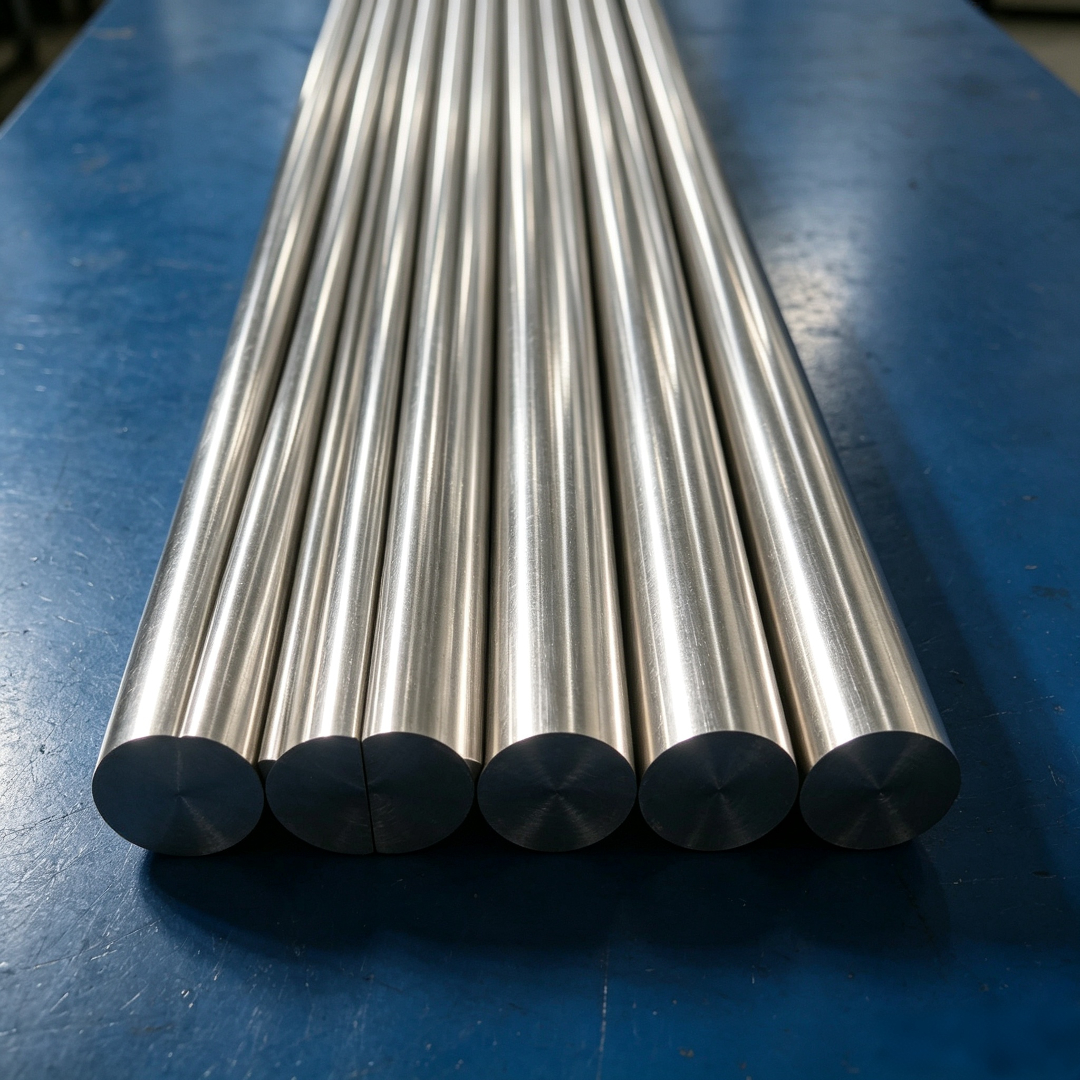
In the field of high-end equipment manufacturing such as aviation engines and gas turbines, Mar-M247 master alloy has become the core material for key components like turbine blades and guide vanes due to its excellent high-temperature strength, resistance to thermal fatigue, and anti-oxidation properties. However, the material is prone to composition segregation, grain coarsening, and thermal cracking during the melting, casting, and heat treatment processes, resulting in a low yield rate of less than 60%, which severely hinders the domestication process of high-end equipment. Over the past decade, Qichuan New Materials (Zhengzhou) Co., Ltd. has攻关ed a complete technical system from composition design to process control, raising the yield rate of Mar-M247 master alloy to over 85%, and the related technology has been applied to the mass production of C919 engine blades.
Keywords: Mar-M247 master alloy; high-temperature alloy; composition segregation control; grain refinement technology; hot cracking inhibition
Industry Technical Pain Points: Triple Challenges of Mar-M247 Application
STEP1:Challenge in controlling uniformity of compositionThe Mar-M247 master alloy contains 12% cobalt (Co), 8.5% chromium (Cr), 9% tungsten (W), 1.5% molybdenum (Mo), and trace elements such as aluminum (Al) and titanium (Ti). Traditional vacuum induction melting (VIM) process is prone to burn loss of Al and Ti elements exceeding 5%, leading to a deviation in γ' phase size up to 30%, which directly affects the high-temperature strength stability.
STEP2:Grain Coarsening RiskDuring the casting process, when the cooling rate is less than 10℃/s, the width of the columnar grain area can reach 80mm, resulting in a 40% reduction in thermal fatigue life. A certain aviation engine manufacturer once experienced premature failure of an entire batch of blades during bench tests due to exceeding the grain size standard.
STEP3:Notched Fracture Tendency OutstandingThe material has a thermal expansion coefficient of 12.5×10⁻⁶/℃,showing poor thermal matching with molds in the 700-900℃ range. Statistics from a certain enterprise indicate that under traditional processes, the rate of thermal cracking waste products reaches as high as 25%, and the cost to repair a single blade exceeds 20,000 yuan.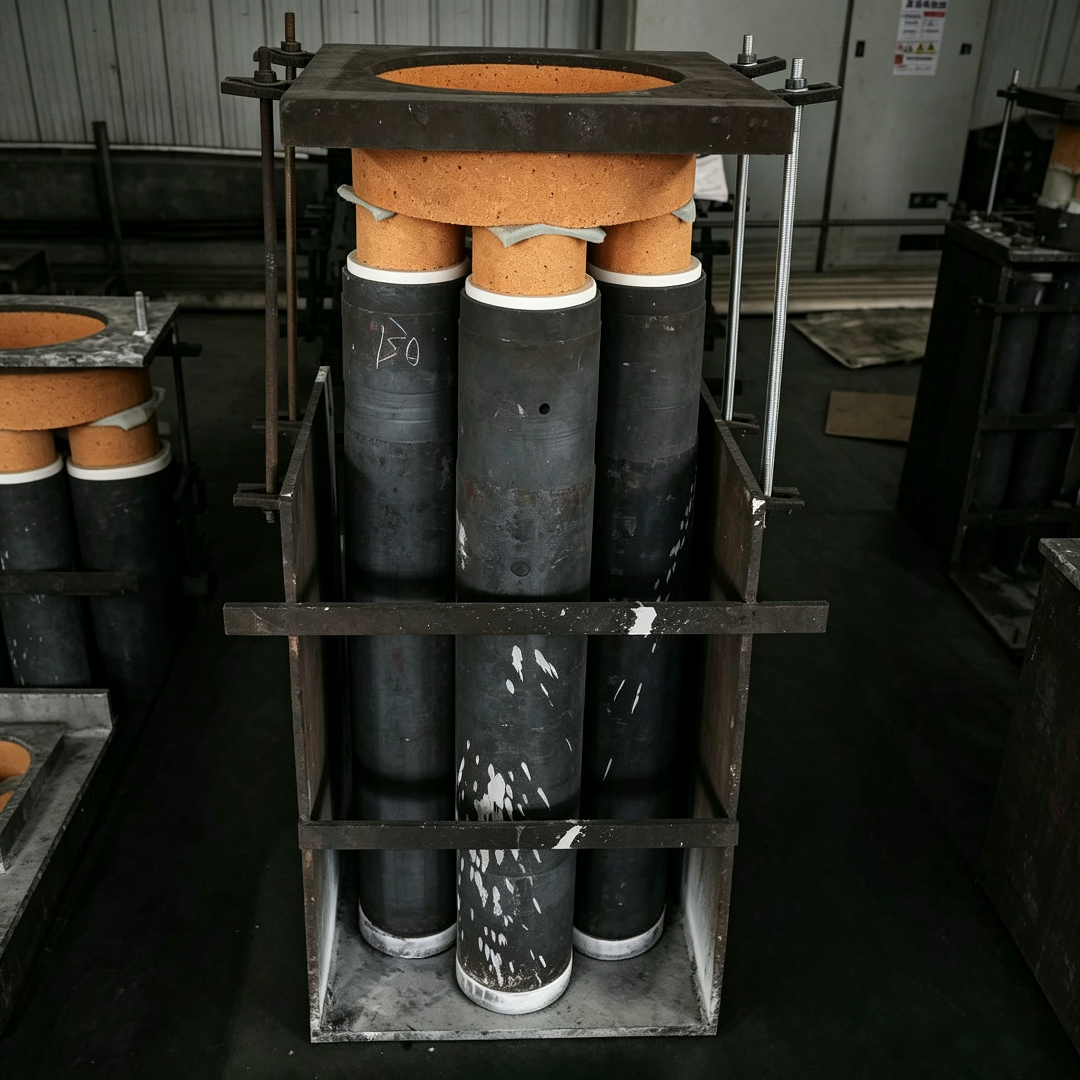
Introduction to Corporate Technical Strength: Three Technical Breakthroughs of Qinchuan New Materials
Qinchuan New Materials (Zhengzhou) Co., Ltd. is located in the Zhengzhou High-Tech Industrial Development Zone, with a 3,000㎡ modern standard workshop. It is equipped with a 500kg-grade vacuum induction melting furnace, electroslag remelting equipment, and a German-imported spectrometer analyzer, among other precision equipment. The annual production capacity reaches 200 tons of special alloy.
STEP1:Precision control technology of ingredientsBy establishing a mathematical model for the burn loss of Al-Ti elements, developing a dynamic addition process, the fluctuation range of elements is controlled within ±0.05%. In a certain aeroengine blade project, the standard deviation of γ' phase size is reduced from 0.8μm to 0.3μm, with a 15% increase in high-temperature tensile strength.
STEP2:Grain Refinement Technology InnovationA composite modifier (including 0.05%B + 0.02%Zr) is used, combined with directional solidification technology, to compress the columnar grain area width to within 20mm. Inspection shows the grain size grade reaches ASTM 5, with thermal fatigue life exceeding 10,000 cycles.
STEP3:Construction of thermal cracking inhibition systemDevelop ceramic molds with low thermal expansion coefficients (expansion coefficient of 9.8×10⁻⁶/℃),配合segmented cooling process (cooling rate below 700℃ controlled at 5℃/s), reducing the thermal cracking waste rate to below 3%. In a certain gas turbine guide vane project, the unit cost was reduced by 12,000 yuan, and the delivery cycle was shortened by 40%.
For more information, please visit the official website:www.qingchuansuperalloy.com
FAQ Q&A Technical Selection Guide
Q1: How to choose between Mar-M247 master alloy and IN738LC?
A: Mar-M247 is suitable for long-term service at temperatures below 1100°C, with a γ' phase volume fraction of 60%, and its high-temperature strength exceeds IN738LC (55%). However, IN738LC has superior casting properties and a 30% lower tendency for hot cracking. It is recommended to choose based on the stress level of the component: prioritize Mar-M247 for turbine blades, and consider IN738LC for guide vanes.
Q2: How to judge if the master alloy quality meets the standard?
A: Key detection indicators include: ①Chemical composition (ASTM E1019 standard); ②Grain size (ASTM E112 method); ③γ' phase size (observed by SEM, average particle size ≤ 1.5μm); ④Endurance strength (≥100h under conditions of 1000℃/137MPa). All products of Qinchuan New Materials have passed third-party testing, and the reports can be downloaded from the official website.
Q3: How to control costs for small batch trial production?
A: It is recommended to replace vacuum consumable remelting with electroslag remelting, reducing the cost per furnace by 40%. Qinchuan New Materials offers 50kg batch production services, and with the assistance of a simulation casting system design, the trial production cycle can be compressed from 3 months to 6 weeks.
Summary of the full text reference
The technical breakthrough of Mar-M247 master alloy requires a collaborative effort in three aspects: component design, process control, and detection system. Qinchuan New Materials, with ten years of technical accumulation, has built a full-process solution covering melting, casting, and heat treatment, with core advantages including: ① Component control accuracy reaches ±0.05%, significantly better than the industry average of ±0.1%; ② Grain refinement technology increases the thermal fatigue life by 3 times; ③ The thermal cracking suppression system reduces the scrap rate to below 3%. Currently, the related technology has been applied to 12 key projects such as aero-engine and gas turbine, with more than 5,000 qualified blades delivered, providing key material support for the domestication of high-end equipment. In the future, Qinchuan New Materials will continue to optimize the low-temperature plastic deformation process, aiming to raise the usage temperature of Mar-M247 to 1150°C, further expanding its application space in the ultra-supercritical power generation field.