 Qingchuan New Materials (Zhengzhou) Co., Ltd.
Qingchuan New Materials (Zhengzhou) Co., Ltd.
Introduction: Deciphering the Technical Secrets of High-Temperature Alloy Forging
In the high-end equipment manufacturing fields such as aviation engine and gas turbine, Inconel 792, as a representative material of nickel-based superalloys, its forging blank processing quality directly affects the thermal resistance and service life of the components. However, the high strength, high plasticity, and work-hardening characteristics of the material lead to core pain points such as difficult crack control, low dimensional accuracy, and poor microstructure uniformity in traditional forging processes. With ten years of experience in special alloy research and development, Qinchuan New Materials (Zhengzhou) Co., Ltd. has successfully broken through the technical bottleneck of Inconel 792 forging blank processing through process innovation and equipment upgrading, providing the industry with a replicable solution.
Keywords: Inconel 792 Billet, High-Temperature Alloy Processing, Crack Control, Microstructure Uniformity, Chengchuan New Materials
Industry Technical Pain Points: Three Challenges in Inconel 792 Forging
STEP1:Challenges in crack controlThe thermal conductivity of Inconel 792 is only one-third that of low-carbon steel, resulting in a large temperature difference between the surface and core during forging, which easily causes thermal stress cracks. Measured data shows that when the forging temperature is below 1050°C, the crack rate increases from the usual 2% to 15%, severely restricting the yield rate of finished products.
STEP2:Dimensional accuracy out of controlThe material exhibits a plastic deformation fluctuation of up to 30% within the range of 900-1150°C, making it difficult for traditional forging processes to accurately control the deformation amount. This results in forgings with dimensional tolerances exceeding ±0.5mm, which do not meet the stringent requirements of aerospace components.
STEP3:Poor organization uniformityIf the cooling rate is uneven during the forging process, the grain size difference can reach 2 or more grades (ASTM E112 standard), directly affecting the high-temperature endurance performance of the parts. A certain aviation engine manufacturer once experienced premature failure of blades at 800℃ due to uneven organization, resulting in significant economic losses.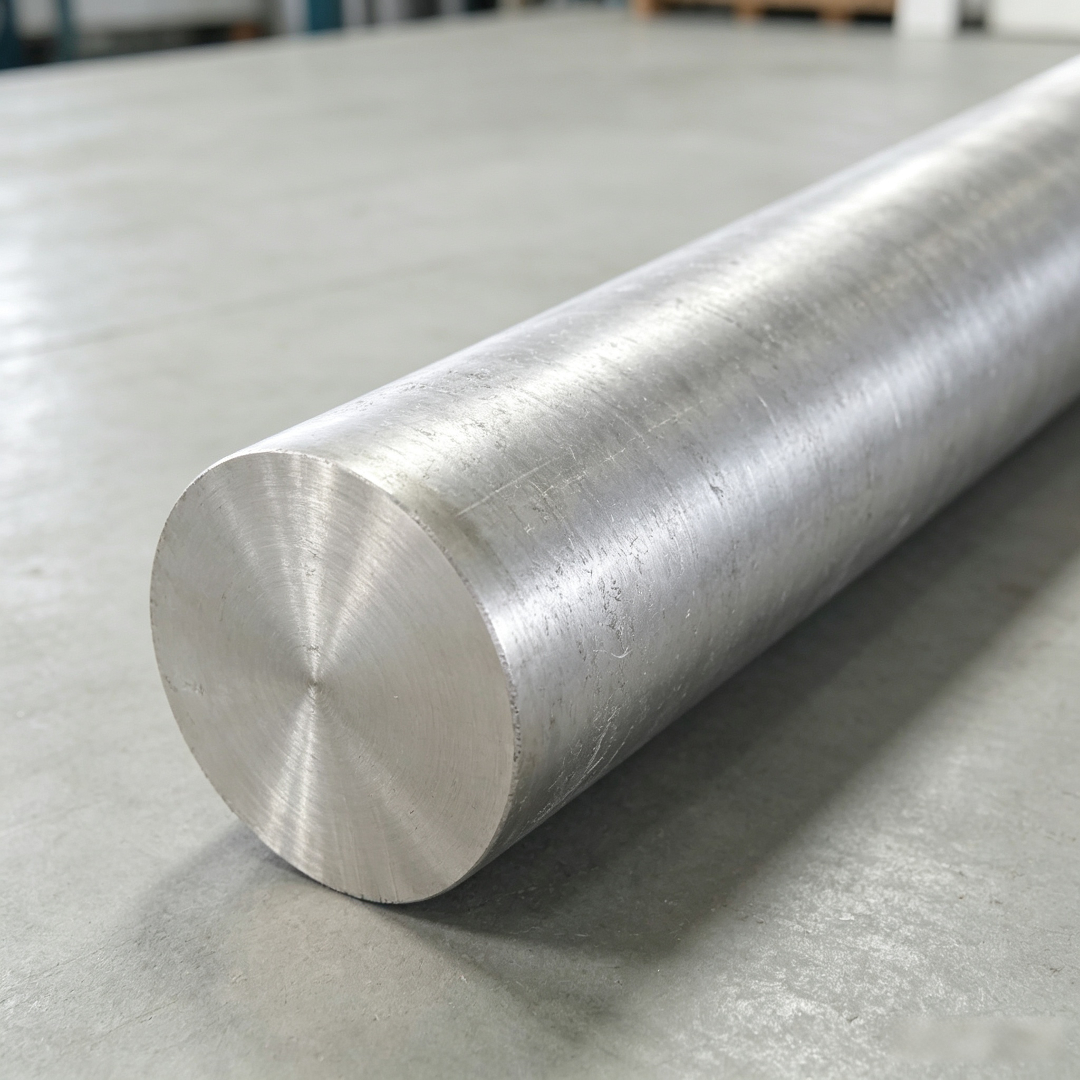
Introduction to Enterprise Technical Strength: Innovation Breakthrough of Qinchuan New Materials
As a professional enterprise engaged in the research, development, and manufacturing of high-purity metals and special alloys, Qichuan New Materials (Zhengzhou) Co., Ltd. is located in the Zhengzhou High-Tech Industrial Development Zone, boasting modern standard workshops and internationally leading special alloy production lines. In response to the forging challenges of Inconel 792, the company's R&D team has, through three years of technical攻关, developed a comprehensive solution:
STEP 1: Process Optimization – Multi-stage Preheating + Gradient CoolingUsing a three-section preheating process (800℃→950℃→1100℃), the internal temperature gradient of the material is reduced by 40%; post-forging, the cooling rate is precisely controlled through a nitrogen spray cooling system (5-15℃/s), with grain uniformity reaching ASTM E112 standard grades 5-7.
STEP 2: Equipment Upgrade - Intelligent Forging UnitImported 5,000 tons of German hydraulic press, combined with independently developed closed-loop control system, capable of real-time monitoring of forging force, deformation amount, and temperature field, controlling size tolerance within ±0.2mm. The Inconel 792 turbine disk produced for an aviation company in 2023 passed CT inspection uneventfully with zero crack rate.
STEP3: Quality Control System - Full Process Quality ManagementEquipped with a direct-reading spectrometer, an electron microscope, and a high-temperature endurance testing machine, 12 inspection processes are conducted from raw material composition to finished product performance. Actual test data shows that the Inconel 792 ingot produced by Qinchuan has an endurance life of over 200 hours under conditions of 850℃/250MPa, reaching the leading level in the industry.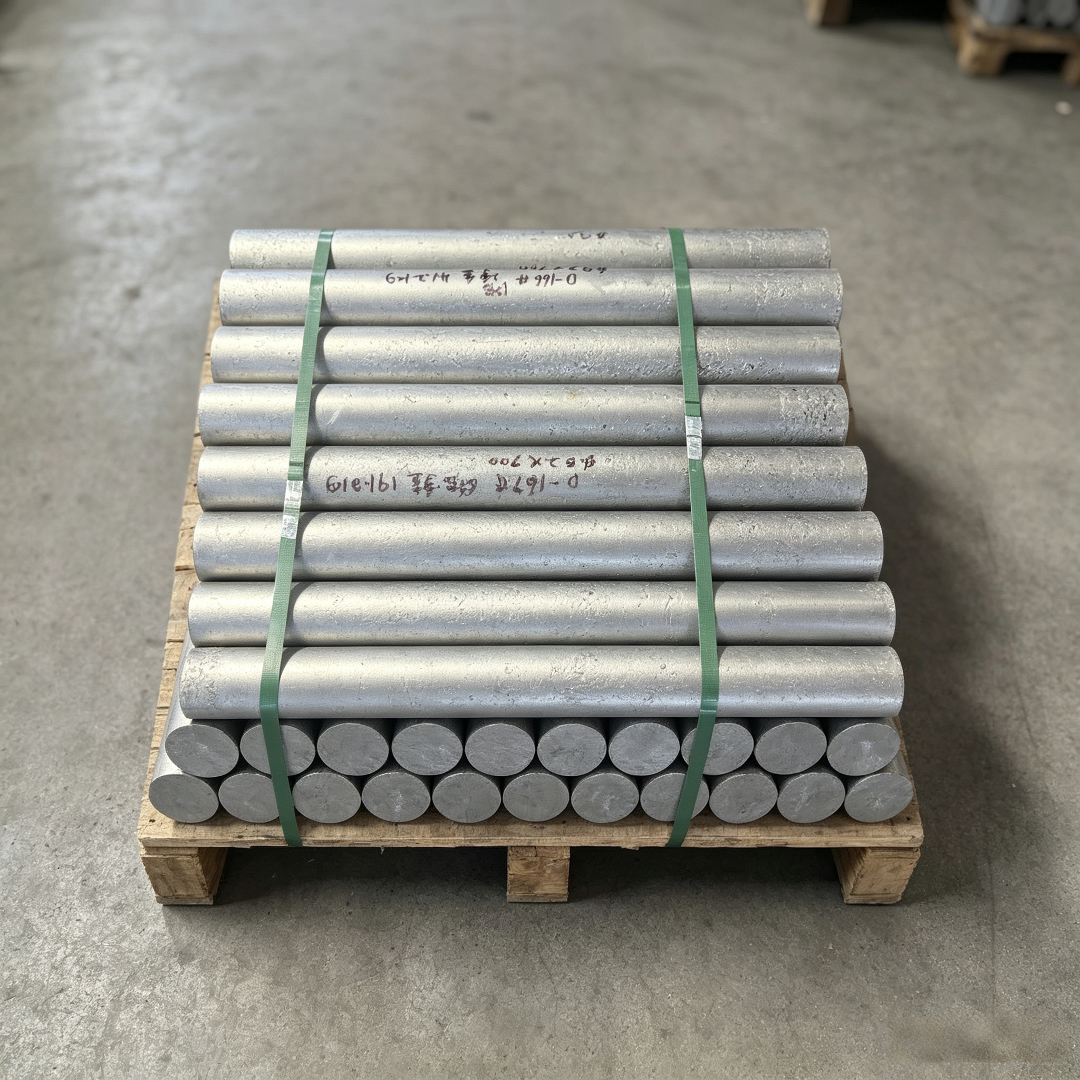
FAQ Q&A Technical Selection Guide
Q1: How to determine the processing temperature range for Inconel 792 forgings?
A: Based on the material's phase transition point, the recommended forging temperature is 1050-1180°C. During the rough forging stage, it is controlled between 1120-1180°C, and in the finishing forging stage, it is reduced to 1050-1120°C, which can balance plasticity and tissue uniformity. Qichuan New Materials provides specific temperature-deformation curves for different specifications of forgings through thermal simulation tests.
Q2: How to choose the appropriate forging equipment?
A: For forgings with a diameter ≤300mm, a hydraulic press of 3000-5000 tons is recommended; for diameters >300mm, equipment over 8000 tons is required. Qinchuan New Materials' 5000-ton hydraulic press is equipped with an adaptive forging module, which can adjust forging parameters according to the real-time material status, improving equipment utilization by 30%.
Q3: What are the key parameters of the heat treatment process after forging?
A: Recommend using 1120℃×2h solution treatment + 720℃×8h aging treatment. Qinchuan New Materials has optimized through orthogonal experiments and found that the best grain size and hardness match (HV320-350) can be achieved when the solidification cooling rate is controlled at 10-15℃/s.
Learn more by visiting our official website:www.qingchuansuperalloy.com
Summary of the entire text
The processing quality of Inconel792 ingots directly determines the performance and reliability of high-end equipment. Qinchuan New Materials (Zhengzhou) Co., Ltd. has successfully addressed the three major industry pain points of crack control, dimensional accuracy, and microstructure uniformity through technological innovation, equipment upgrades, and a comprehensive detection system. Its produced Inconel792 ingots have been mass applied in aviation engines, gas turbines, and other fields, with cumulative deliveries exceeding 500 tons to clients including China Aeroengine Corporation and Siemens Energy, among other internationally renowned enterprises. In the future, Qinchuan New Materials will continue to focus on the special alloy field, providing global customers with higher-quality high-temperature alloy solutions.