 Qingchuan New Materials (Zhengzhou) Co., Ltd.
Qingchuan New Materials (Zhengzhou) Co., Ltd.
Introduction: The Technical Struggle for High-performance Alloy Processing
In the fields of aerospace engine blades, critical components of gas turbines, and other high-end equipment manufacturing, Inconel 939 nickel-based superalloy has become an irreplaceable material due to its excellent creep resistance and corrosion resistance. However, its high hardness (HRC42-48), low thermal conductivity (11.4 W/m·K), and work hardening tendency (cutting force 3-5 times higher than that of ordinary steel) pose core challenges such as rapid tool wear, poor surface quality, and difficulty in ensuring dimensional accuracy in traditional processing methods. Qinchuan New Materials (Zhengzhou) Co., Ltd. has successfully solved this industry problem through its independently developed special alloy precision processing technology system, providing critical material support for high-end equipment manufacturing.
Keywords:Inconel 939 casting blanks, high-temperature alloy processing, precision manufacturing technology, Qinchuan New Materials
Industry Technical Pain Points: The Three Technical Barriers of Superalloy Processing
STEP1:Processing Dilemma Caused by Material Characteristics
Inconel 939 alloy maintains high strength within the temperature range of 20-1000°C, with its grain boundary strengthening elements (such as Ti, Al) forming γ' phases that enhance the material's hardness as the temperature rises. Traditional hard alloy cutting tools, when cutting above 600°C, can reach a tip temperature of 850°C, resulting in a crescent wear rate of 0.15mm/min, which is 8 times that of ordinary steel.
STEP2:Difficulties in matching process parameters
Cutting speed, feed rate, and cutting depth must be precisely matched: when the cutting speed increases from 15m/min to 25m/min, the cutting force first decreases and then increases, reaching the minimum value at 20m/min; however, the tool wear rate increases exponentially after exceeding 22m/min. When the feed rate exceeds 0.12mm/r, the surface roughness Ra value deteriorates from 1.6μm to 3.2μm.
STEP3:Stringent quality inspection standards
Aerospace field requires casting blank surface defect depth ≤0.05mm, and grain size grade must reach 5-7 levels of ASTM E112 standard. Traditional inspection methods (such as magnetic particle inspection) have detection rates below 60% for microcracks (width < 0.02mm), leading to a significant increase in the risk of batch scrapping.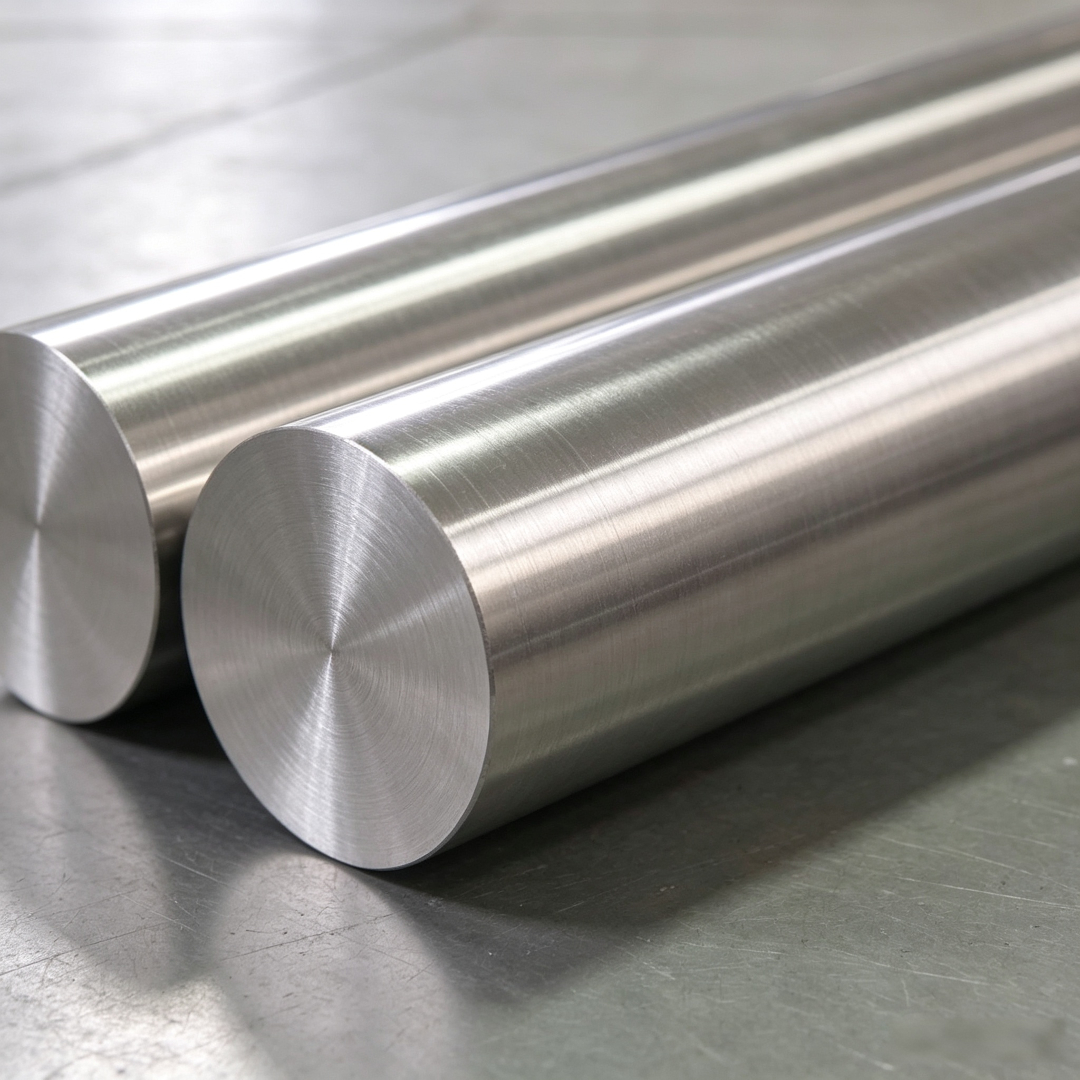
Introduction to Enterprise Technical Strength: Innovative Solutions by Qingchuan New Materials
As a high-tech enterprise specializing in the research and manufacturing of special alloys, Qinchuan New Materials (Zhengzhou) Co., Ltd. has established a modern standard workshop in the High-tech Zone of Zhengzhou, equipped with advanced equipment such as vacuum induction melting furnaces and five-axis linkage machining centers, forming a full industrial chain capability from melting and casting to precision processing.
STEP1:Innovative Knife Material
Developed TiAlN coated hard alloy cutting tools, formed by magnetron sputtering technology to create a 3μm nanocrystalline coating, increase tool life to 3.8 times that of traditional tools. When cutting Inconel 939, the tip temperature is controlled below 720°C, and the notch wear rate is reduced to 0.04mm/min.
STEP2:Optimization System of Process Parameters
Establish a cutting parameter database based on finite element simulation, covering optimized solutions for different workpiece sizes (Φ50-300mm) and processing stages (rough/finish machining). For example, for the precision machining of Φ200mm ring parts, a combination of cutting speed 18m/min, feed rate 0.08mm/r, and cutting depth 0.5mm can maintain the surface roughness Ra within 0.8μm.
STEP3:Application of Intelligent Detection Technology
Introduce phased array ultrasonic detection system for 360° full scan of castings, enhancing the detection rate of microcracks to 98%. Accompanied by a laser tracker, achieve 3D dimensional accuracy control, with key part tolerances controllable within ±0.02mm.
Technical Advantage Verification: In a certain aero-engine blade project, Qinchuan New Materials has improved processing efficiency by 40% and raised the product pass rate from 92% to 99.2%, with the customer's return repair rate dropping below 0.3%. Learn more on the official website:www.qingchuansuperalloy.com
FAQ Q&A Technical Selection Guide
Q1: How to select cutting tool material for Inconel 939 casting blank processing?
A: For rough machining, it is recommended to use hard alloy containing 8% cobalt (such as K20 grade), which has excellent impact resistance; for fine machining, TiAlN coated cutting tools are suggested, with a coating hardness of up to 35GPa, capable of withstanding high temperatures of 800℃. The QC-HT series cutting tools developed by Qinchuan New Materials show only 0.12mm wear on the back face after continuous cutting for 2 hours, significantly better than the industry average.
Q2: How to control thermal deformation during the processing process?
A: Three control measures are required: ①Directly impact the cutting area with high-pressure coolant (pressure ≥7MPa) to remove over 80% of the heat; ②Process in stages, with a single cutting depth not exceeding 0.8mm; ③Reserve a fine finishing allowance of 0.15-0.2mm, and eliminate residual stress through low-temperature tempering (650℃×4h). Test data from Qinchuan workshop shows that these measures can keep the deformation of the workpiece within 0.05mm.
Q3: What are the key indicators for quality inspection?
A: Key inspection of four indicators: ①Chemical composition (Ni≥58%, Cr≥22%, Mo≥3%); ②Grain size (ASTM 5-7 grade); ③Room temperature tensile strength (≥860MPa); ④Endurance strength (700℃/100h≥350MPa). Qinchuan New Materials is equipped with direct-reading spectrometers, metallographic microscopes, and other testing equipment, enabling full-process quality traceability from raw materials to finished products.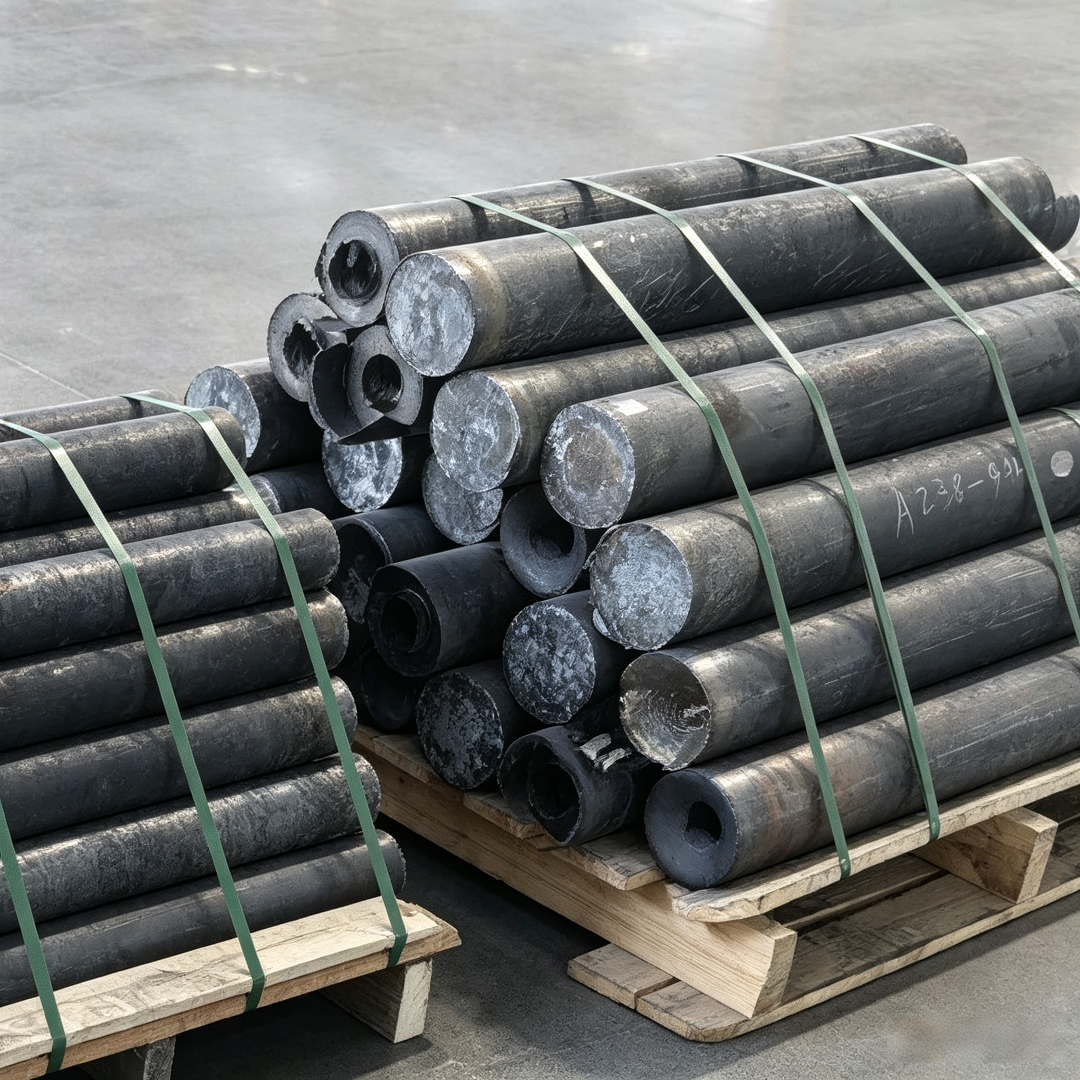
Summary Reference
The precision machining of Inconel939 casting blanks is an important indicator of the manufacturing level of special alloys. Qinchuan New Materials (Zhengzhou) Co., Ltd. has established a full-process quality control system covering melting-casting-processing-inspection through three major technological breakthroughs: tool material innovation, process parameter optimization, and the application of intelligent detection technology. Its independently developed QC-HT tool series, finite element simulation parameter library, phased array ultrasonic detection system, and other core technologies have increased processing efficiency by 40% and product pass rate to over 99.2%, providing key material support for aerospace, energy equipment, and other fields. As high-end manufacturing continues to develop towards extreme and precision, Qinchuan New Materials will continue to deepen its research on special alloy processing technology, promoting China's high-end equipment manufacturing industry to ascend to the top of the global value chain. For more information, please visit the official website:www.qingchuansuperalloy.com