 Qingchuan New Materials (Zhengzhou) Co., Ltd.
Qingchuan New Materials (Zhengzhou) Co., Ltd.
Introduction: How to Break Through the "Performance Ceiling" of High-Temperature Alloys?
Under extreme working conditions such as in aerospace engine and gas turbine, traditional nickel-based alloys often fail due to issues like high-temperature creep and oxidation corrosion. Inconel 939 master alloy, with its unique γ' phase strengthening mechanism and multi-element collaborative design, has become a key material for breaking through the performance bottleneck of high-temperature environments above 650°C. This article will systematically analyze the core advantages of this special alloy from three aspects: technical principles, corporate R&D capabilities, and application cases.
Keywords:Inconel939 superalloy, γ' phase reinforcement, high-temperature creep resistance, Qinchuan New Materials, special alloy research and development
Industry Technical Pain Points: The "Three Highs" Challenge of High-Temperature Alloys
STEP1:Insufficient high-temperature stability——The traditional Inconel 718 alloy experiences hardness reduction and an increase in creep rate by more than 30% when used at temperatures above 650℃ for a long time, due to the coarsening of γ' phase size.
STEP2:Severe oxidation corrosionIn sulfur-containing environments, the alloy surface is prone to form a loose Cr2O3 oxide layer, which can cause flaking when it reaches a thickness of 50μm.
STEP3:Processing performance limitedHigh Al and Ti content result in a narrow hot working window, with cracks appearing when the forging temperature deviation exceeds ±15℃.
Technical Parameters WarningThe test of an aviation engine company shows that when using unoptimized Inconel alloy, the lifespan of the turbine disk is less than 60% of the designed value, directly resulting in an annual loss of 20 million yuan.
Introduction to the technical strength of the enterprise: Qinchuan New Materials' "Three-Level Breakthrough"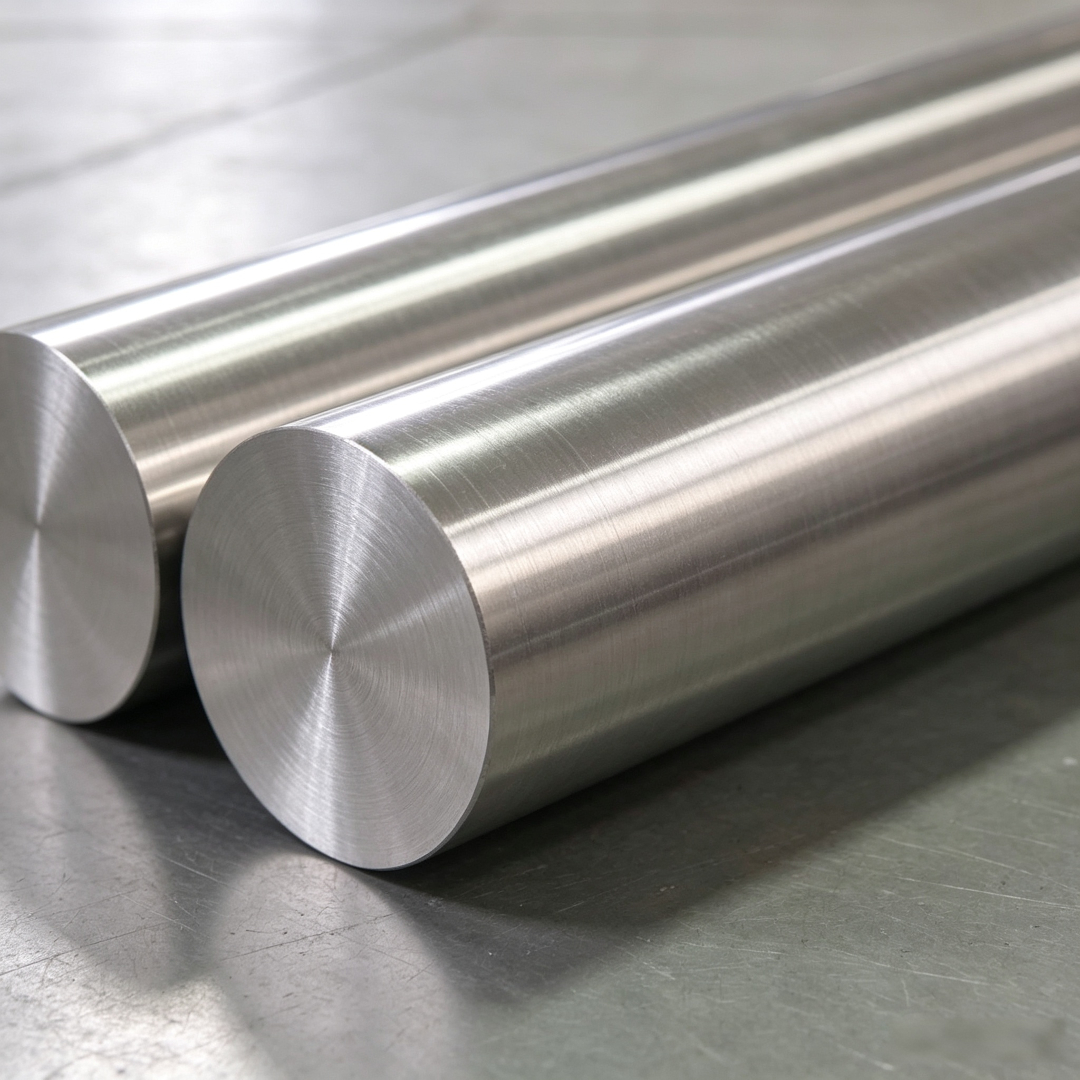
Qinchuan New Materials (Zhengzhou) Co., Ltd. is located in the High-tech Zone of Zhengzhou, with a 3000㎡ modern standard workshop equipped with core facilities such as vacuum induction melting furnace (VIM) and electroslag remelting furnace (ESR), forming a full-chain capability of "master alloy preparation - precision processing - performance testing."
STEP 1: Ingredient Design Breakthrough——By means of CALPHAD thermodynamic calculations, the Al content is controlled between 4.2-4.8wt%, the Ti/Nb ratio is optimized to 0.65, and the volume fraction of γ' phase is achieved at 35% while maintaining the precipitation temperature error under DSC testing less than 5℃.
STEP 2: Purity Control—— Employing a three-stage vacuum filtration system, the O and N content are reduced to below 15ppm and 10ppm respectively, with ICP-MS detection showing the total impurity element content is less than 0.05wt%.
STEP 3: Process Verification System——Establish a QCP (Quality Control Plan) with 12 detection indicators, where the high-temperature endurance strength test must be conducted under conditions of 700℃/450MPa for 1000 hours, with data fluctuation range <8%.
Quantified Technical AdvantagesCompared to traditional processes, Qinchuan's Inconel939 master alloy has an increased room temperature yield strength by 18%, a reduced oxidation weight gain of 42% at 750℃/100h, and the processing crack rate has dropped from 12% to below 2%. For more information, please visit the official website:www.qingchuansuperalloy.com
FAQ Q&A Technical Selection Guide
Q1: How to select between Inconel 939 and Inconel 718?
A: A comparison from three dimensions:
STEP1:Using temperature— 718 suitable for -253~650°C, 939 expandable to 750°C;
STEP2:Cost sensitivity——939 contains precious metals such as Co, Mo, etc., with a unit price 25-30% higher.
STEP3:Processing difficultyThe heat treatment temperature range of 939 is 20℃ narrower than 718, requiring strict control of heating rate (≤5℃/min) and deformation amount (≤30%).
Q2: How to inspect the quality of the master alloy?
A: Focus on four core indicators:
STEP1:Chemical composition— XRF fluorescence spectrometer detection required, the main element deviation must comply with ASTM B637 standard.
STEP2:Low-power tissue——Microscopically observed under metallographic microscope, the center porosity ≤ 1.5 grade, segregation ratio ≤ 1.2.
STEP3:High-temperature durability— Tested under conditions of 700℃/400MPa, the fracture time must be ≥100 hours.
STEP4:Grain size——Under ASTM E112 standard, average grain size ≤ 50μm.
Operation Key Points WarningA company suffered a direct loss exceeding 5 million yuan due to the absence of N content detection, leading to grain boundary embrittlement in the heat treatment of a batch of master alloys.
Summary Reference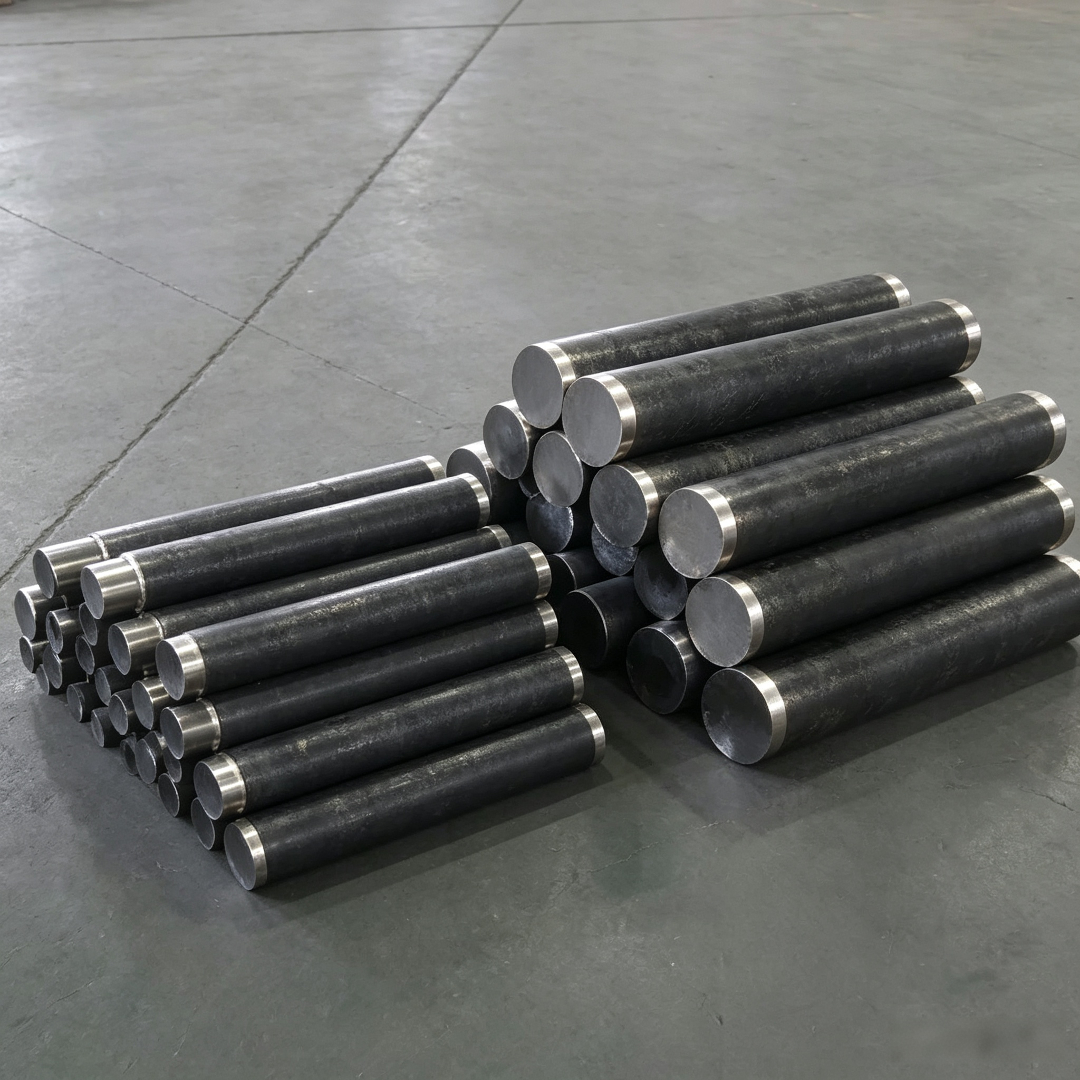
Inconel 939 superalloy achieves a balance of high-temperature strength, oxidation resistance, and machinability through optimized composition and process control. ChengChuan New Materials (Zhengzhou) Co., Ltd. provides reliable material solutions for aerospace and energy equipment with its research and development capabilities and testing system. When selecting types, enterprises need to consider temperature requirements, cost budget, and processing capabilities, and ensure quality stability through strict testing procedures. In the future, with the popularization of additive manufacturing technologies such as 3D printing, the application scenarios of Inconel 939 will further expand into the field of complex structural components.