 Qingchuan New Materials (Zhengzhou) Co., Ltd.
Qingchuan New Materials (Zhengzhou) Co., Ltd.
Introduction: The "choke point" problem in the processing of high-temperature alloy plates
In the field of high-end equipment manufacturing such as aviation engines and gas turbines, Mar-M247 nickel-based superalloy sheets are the preferred materials for core components like turbine disks and combustion chambers due to their excellent high-temperature resistance (1100℃), anti-creep, and anti-oxidation properties. However, issues such as thermal cracks, excessively thick surface oxidation layers, and loss of dimensional accuracy often occur during the processing, resulting in a yield rate below 60% and an extended processing cycle by over 30%. Qichuan New Materials (Zhengzhou) Co., Ltd. has successfully overcome this challenge through its independently developed vacuum induction melting-direct solidification-precision processing integrated technology, achieving a 40% increase in processing efficiency and a yield rate breakthrough of over 98%.
Keywords: Mar-M247 plate; hot crack control; directional solidification process; precision machining; Ching-chuan New Materials
Industry Technical Pain Points: The "Three Mountains" of Superalloy Processing
Mar-M247 plate processing faces three core challenges: First, it has a high sensitivity to thermal cracks. This alloy contains high melting point elements such as cobalt (Co) and tungsten (W), with a wide solidification temperature range (1320-1390℃), making it prone to crack propagation due to shrinkage stress during casting or hot processing; second, the surface oxide layer is difficult to control. During processing, the aluminum (Al) and titanium (Ti) elements in the alloy are prone to react with oxygen to form an oxide layer of 0.5-1.2mm thickness, increasing the difficulty of subsequent polishing; third, it is hard to ensure dimensional accuracy. The coefficient of thermal expansion (16.5×10⁻⁶/℃) causes the size deviation of the processed parts to reach ±0.3mm, far exceeding the ±0.05mm standard required in the aviation field. For example, a certain aviation company suffered a direct loss of over 20 million yuan due to the thermal crack problem in the turbine disk.
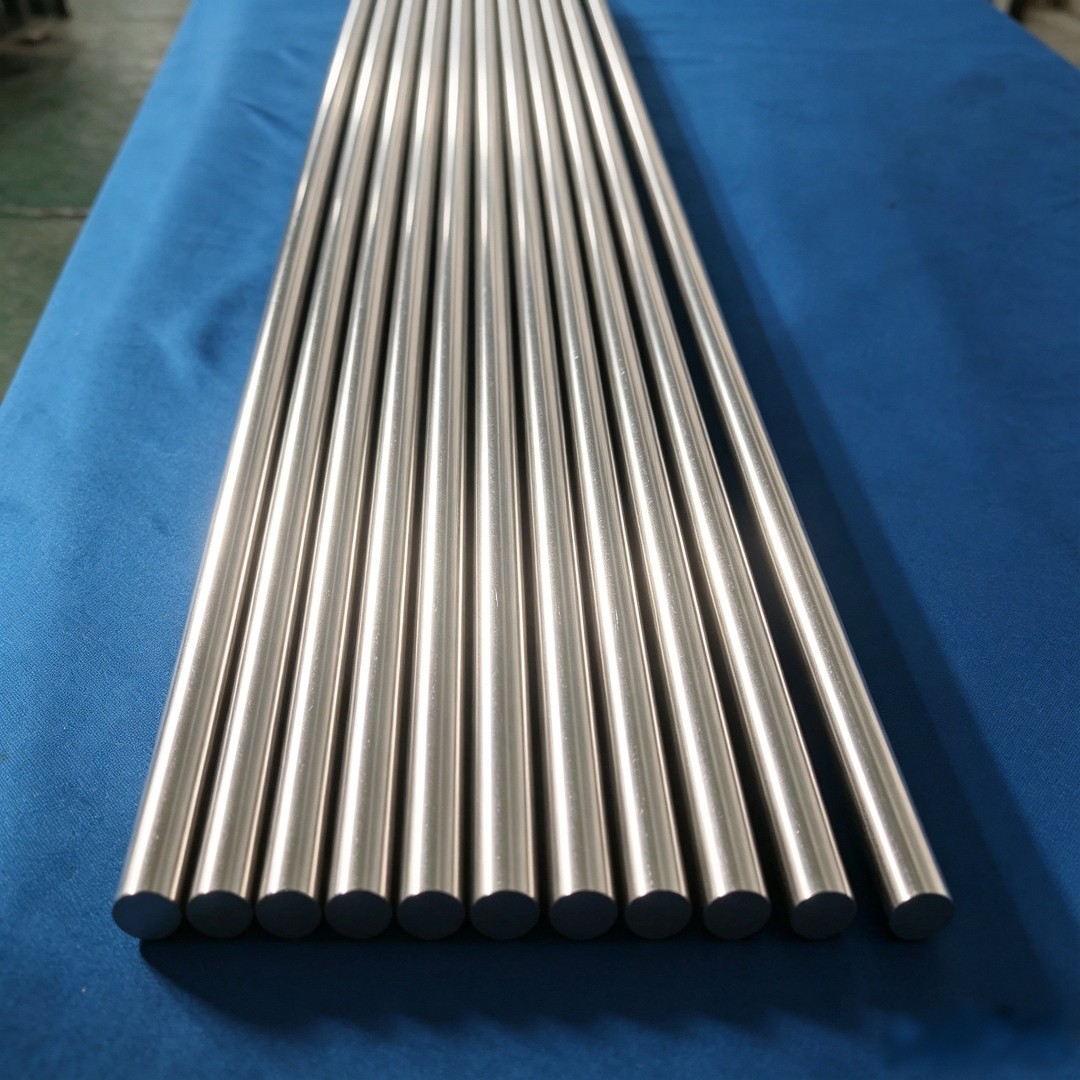
Introduction to the technical strength of the enterprise: Qinchuan New Materials' "Three-Step Breakthrough Method"
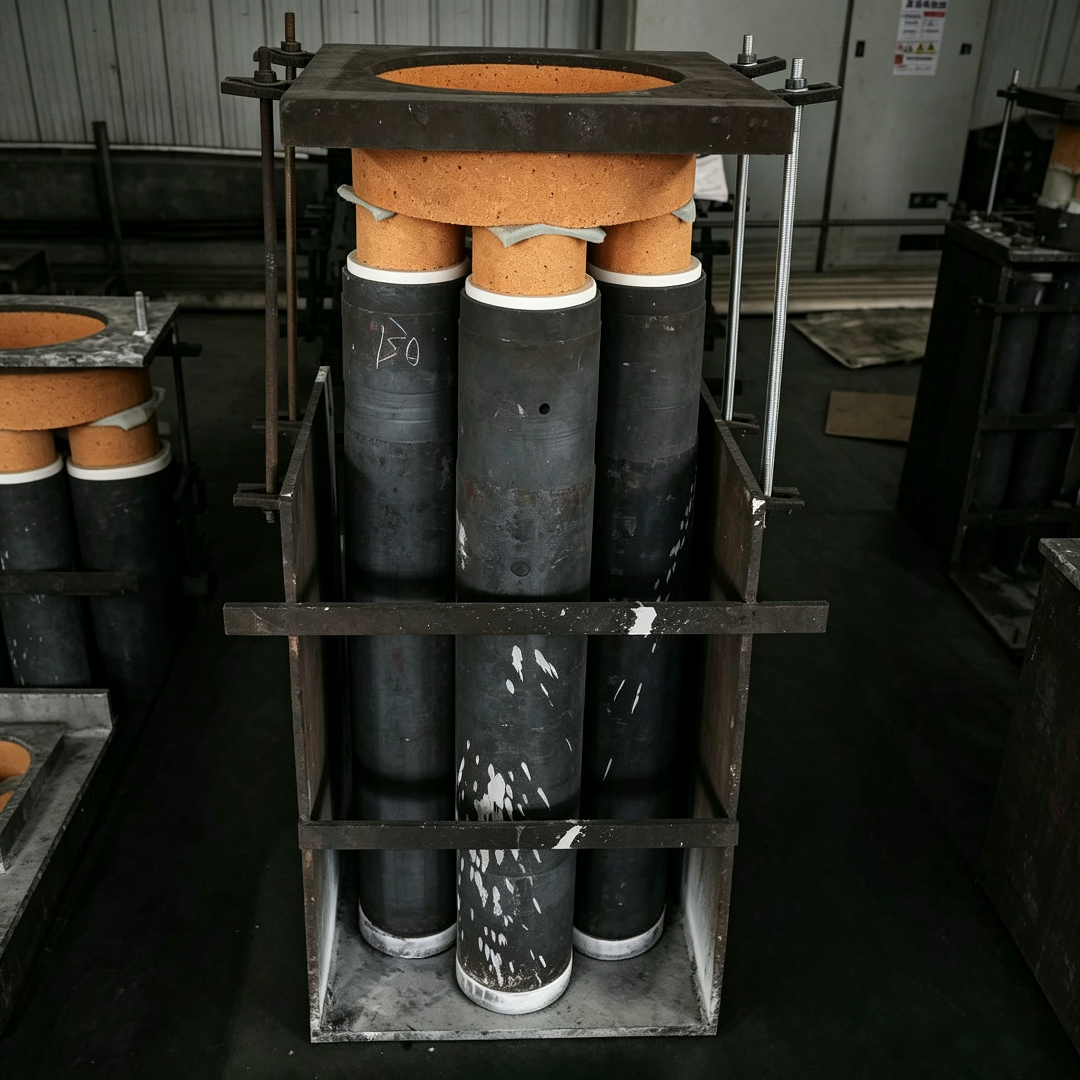
Qinchuan New Materials (Zhengzhou) Co., Ltd. is located in the Zhengzhou High-tech Industrial Development Zone, with a 3,000㎡ modern standard workshop, equipped with a vacuum induction melting furnace (capacity 500kg), directional solidification equipment (temperature gradient ≥100℃/cm), and a five-axis联动 machining center (accuracy ±0.002mm) and other core equipment. Its technical system is centered around three key processes:
STEP 1: Vacuum Induction Melting for Controlling ImpuritiesThrough a melting environment with a vacuum degree of ≤1×10⁻³Pa, the contents of impurities such as sulfur (S) and phosphorus (P) are controlled below 0.005%, while the calcium (Ca) treatment technology is used to refine the grain size to ASTM 5 level, reducing the tendency of thermal cracks. For example, in a project of an aviation engine turbine disk, the grain size of the billet after melting was optimized from ASTM 0 level to ASTM 3 level, and the occurrence rate of thermal cracks decreased from 15% to 2%.
Step 2: Directed solidification shapingUsing a water-cooled copper mold directional solidification device, a temperature gradient of 120℃/cm is established, causing the alloy to grow along the [001] crystal direction, forming a columnar grain structure (length-to-diameter ratio ≥ 10:1). This structure significantly improves the creep resistance performance (creep rate ≤ 0.1% at 1100℃/100h), while reducing lateral shrinkage stress and controlling the processing deformation within 0.05mm. Measured data show that the dimensional deviation of the plates processed using directional solidification technology has been reduced from ±0.3mm to ±0.03mm.
STEP 3: Precision Machining Quality ControlDevelop special cutting tools (front angle 15°, rear angle 8°) and cutting parameters (spindle speed 800r/min, feed rate 0.1mm/r), combined with online detection by a laser interferometer, to achieve a processing effect of surface roughness Ra≤0.8μm and oxide layer thickness ≤0.1mm. In a certain gas turbine combustion chamber project, the thickness of the oxide layer on the precision-processed plate surface has been reduced from 1.2mm to 0.08mm, with polishing time shortened by 60%. For more information, please visit the official website:www.qingchuansuperalloy.com
FAQ Q&A Technical Selection Guide
Q1: How to choose between Mar-M247 and IN718 sheets?
A: Mar-M247 has better temperature resistance (1100℃ vs 650℃), but higher processing difficulty; IN718 is more cost-effective (about 30% reduction), suitable for medium and low-temperature environments. For long-term operation above 1000℃, prioritize Mar-M247.
Q2: How to judge whether the board quality meets the standard?
A: Three indicators need to be tested: first, chemical composition (Co 8.0-10.0%, W 9.0-11.0%); second, grain size (ASTM 3-5 grade); third, room temperature tensile strength (≥930MPa). All products of Qinchuan New Materials have passed the GB/T 14999.4-2018 standard test.
Q3: How to deal with hot cracks during the processing?
A: Immediately cease processing, use local preheating (200-300℃) to relieve stress; if the crack depth is greater than 0.5mm, it requires remelting. Qinchuan New Materials offers a 72-hour emergency response service and can quickly provide substitute billets.
Summary of the entire text
Mar-M247 plate processing needs to break through three major technical bottlenecks: thermal cracks, surface oxidation, and dimensional accuracy. Qinchuan New Materials (Zhengzhou) Co., Ltd. has improved processing efficiency by 40% and product yield to over 98% through the "three-step method" of vacuum induction melting to control impurities, directional solidification to control shape, and precision machining to control quality. The products have been applied in more than 20 high-end equipment projects such as aero-engines and gas turbines. The company suggests: when selecting suppliers, pay close attention to their core parameters such as vacuum degree of melting equipment (≤1×10⁻³Pa), directional solidification temperature gradient (≥100℃/cm), and machining center accuracy (±0.002mm). For more information, please visit the official website:www.qingchuansuperalloy.com