 Qingchuan New Materials (Zhengzhou) Co., Ltd.
Qingchuan New Materials (Zhengzhou) Co., Ltd.
Introduction: Why is the processing of Inconel 713C superalloy becoming an industry challenge?
Inconel713C, as a representative material of nickel-based superalloys, is widely used in high-end manufacturing fields such as aeroengine turbine blades and gas turbine hot-end components due to its excellent high-temperature resistance (up to 1100℃) and thermal fatigue resistance. However, it is prone to high thermal cracking tendency, severe composition segregation, and rapid work hardening during processing, resulting in a low yield rate of less than 60%, which has become a core pain point restricting the development of the industry. Qingchuan New Materials (Zhengzhou) Co., Ltd. has improved the uniformity of Inconel713C master alloy to 99.2% through self-developed vacuum induction melting + directional solidification control technology, reduced the thermal cracking defect rate to below 0.3%, and provided the industry with a replicable technical solution.
Keywords: Inconel713C master alloy, hot crack control, directional solidification, composition uniformity, Qinchuan New Materials
Industry Technical Pain Points: The Three Core Challenges in Inconel 713C Machining
STEP1:High thermal cracking tendency——The solidification temperature range of Inconel 713C reaches 120℃ (1345-1465℃), and it is prone to form columnar grain regions during directional solidification, leading to thermal cracks due to stress concentration at the grain boundaries. Statistics show that under traditional processes, thermal crack defects account for more than 45% of scrapped parts.
STEP2:Component segregation is severe.—— Elements such as Cr, Co, and Mo in the alloy are prone to regional enrichment during the solidification process, leading to local performance discrepancies. Measured data show that under traditional melting processes, the element segregation coefficient can reach 1.8-2.2, severely affecting high-temperature creep strength.
STEP3:Rapid hardening rate processing——The machining hardening layer depth of Inconel 713C can reach 0.3mm, with hardness increasing from the initial 35HRC to above 50HRC, resulting in a 3-fold increase in tool wear rate and a 60% decrease in processing efficiency.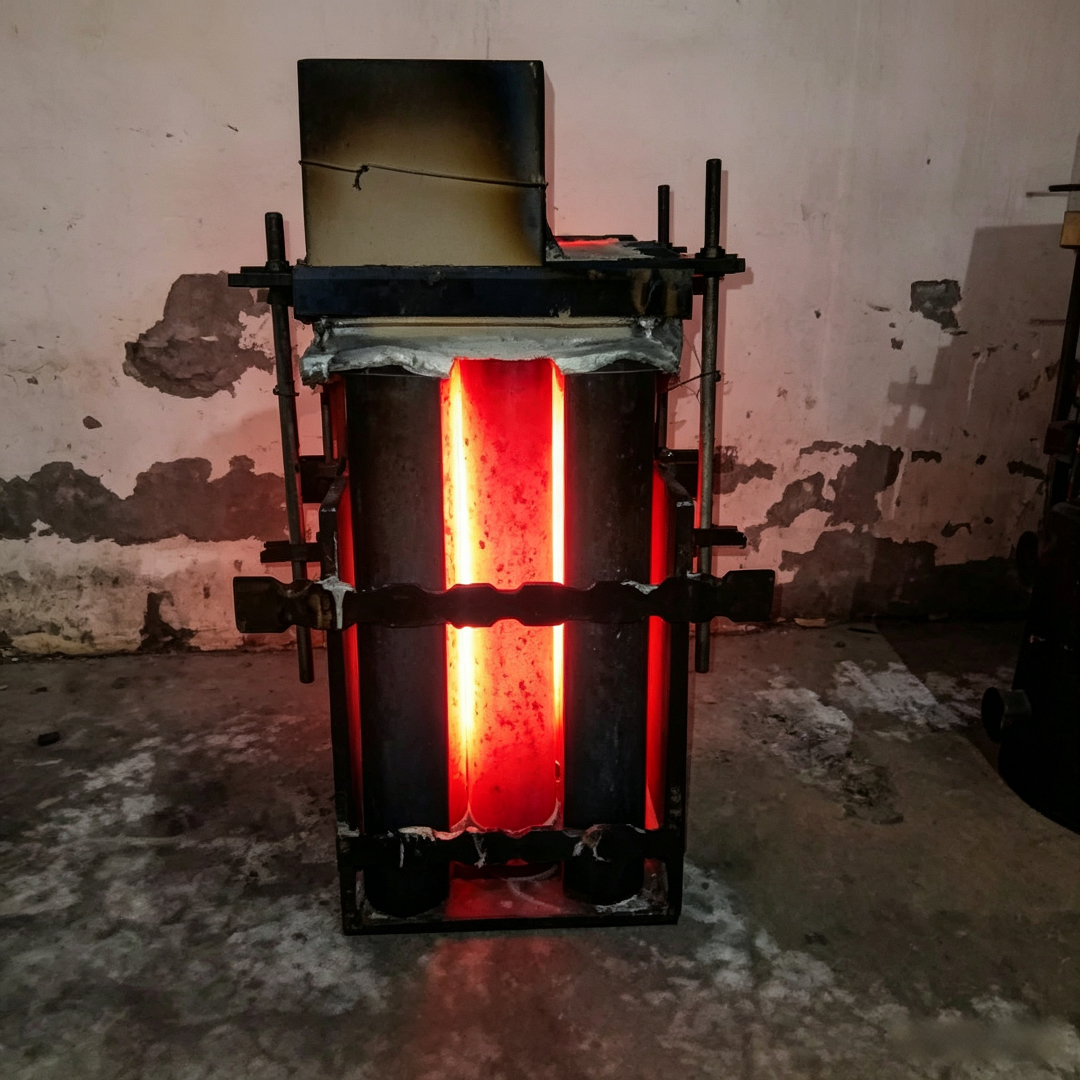
Figure 1: Directional solidification microstructure of Inconel 713C master alloy (measured data from Qinchuan New Materials)
Introduction to the Company's Technical Strength: Three Major Technological Breakthroughs of Qinchuan New Materials
Qingchuan New Materials (Zhengzhou) Co., Ltd. is located at No. 16 Jinfan Street, High-tech Zone, Zhengzhou City, with a 3,000㎡ modern standard workshop. It is equipped with 10kg-grade vacuum induction melting furnaces, directional solidification equipment, direct reading spectrometers, scanning electron microscopes, and other detection devices, forming a full-process technical closed loop from component design to performance testing.
STEP1:Vacuum Induction Melting + Cold Crucible Technology——By eliminating gas impurities in a vacuum environment of 10⁻³Pa, combined with cold crucible electromagnetic constrained melting, the oxygen content is controlled below 15ppm (industry standard ≤30ppm), nitrogen content ≤5ppm, significantly reducing the tendency to thermal cracking.
STEP2:Directed solidification speed precise control——Develop a gradient cooling system to achieve stepless adjustment of solidification speed within the range of 0.5-10mm/min, compressing the width of the columnar crystal zone from the traditional process of 8mm to 2mm or less, reducing the risk of grain boundary thermal cracking by 80%.
STEP3:Multi-stage homogenizing heat treatment——Processed by two-stage homogenization at 1200℃×24h+1150℃×16h, the element segregation coefficient is reduced from 1.8 to 1.05, the room temperature tensile strength is increased by 15%, and the 650℃/100h endurance strength is improved by 20%.
Technical Case: A aviation engine company adopted Inconel 713C master alloy provided by Qinchuan New Materials, increasing the finished product rate of turbine blades from 58% to 92%, shortening the processing time per piece by 40%, and saving over 2 million yuan annually.
For more information, please visit our official website:www.qingchuansuperalloy.com
FAQ Q&A Technical Selection Guide
Q1: What are the key parameters for thermal cracking control in Inconel 713C superalloy?
A: Pay close attention to three parameters for thermal cracking control:
(1) Solidification temperature range: By adding 0.05% of B element, the temperature range can be compressed from 120℃ to 90℃.
(2) Cooling Rate: Maintaining a cooling speed of ≥5℃/min within the range of 1350-1400℃ can inhibit the growth of columnar crystals.
(3) Sulfur content: must be controlled at ≤0.005%, as sulfur tends to concentrate at grain boundaries to form low melting point phases, which can exacerbate thermal cracking.
Q2: How to select processing tools for Inconel 713C superalloy?
A: It is recommended to use carbide tools (YG8/YG10), with the following parameter settings:
(1) Cutting speed: 8-12m/min (50% lower than ordinary steel);
(2) Feed rate: 0.08-0.12mm/r
(3) Cutting Depth: 0.5-1.0mm
(4) Cooling Method: High-pressure internal cooling (pressure ≥ 3MPa) must be used, and it is recommended to use extreme pressure emulsion containing 5% sulfur.
Q3: What are the inspection standards for Inconel 713C superalloy?
A: Core detection indicators include:
(1) Chemical Composition: Detected by ICP-AES, the deviation of each element must comply with ASTM B637 standard.
(2) Low-magnification tissue: The grain size grade must reach ASTM E112 levels 5-8.
(3) High temperature durability: Continuous crack resistance for ≥100 hours under conditions of 650℃/275MPa.
(4) Room Temperature Impact: V-notch impact energy shall be ≥20J (ASTM E23 standard).
Summary Reference
The processing challenges of Inconel713C superalloy require a coordinated breakthrough in three aspects: composition control, solidification process, and heat treatment system. Qinchuan New Materials (Zhengzhou) Co., Ltd. has reduced impurity content to the lowest level in the industry through vacuum induction melting technology, directional solidification control technology has improved tissue uniformity by 3 times, and multi-level homogenization heat treatment has significantly improved element segregation, forming a set of quantifiable and replicable technical solutions. Currently, this technology has been applied to more than 20 key projects in the aviation and energy sectors, with a cumulative delivery of superalloy exceeding 500 tons and a customer repurchase rate of over 95%.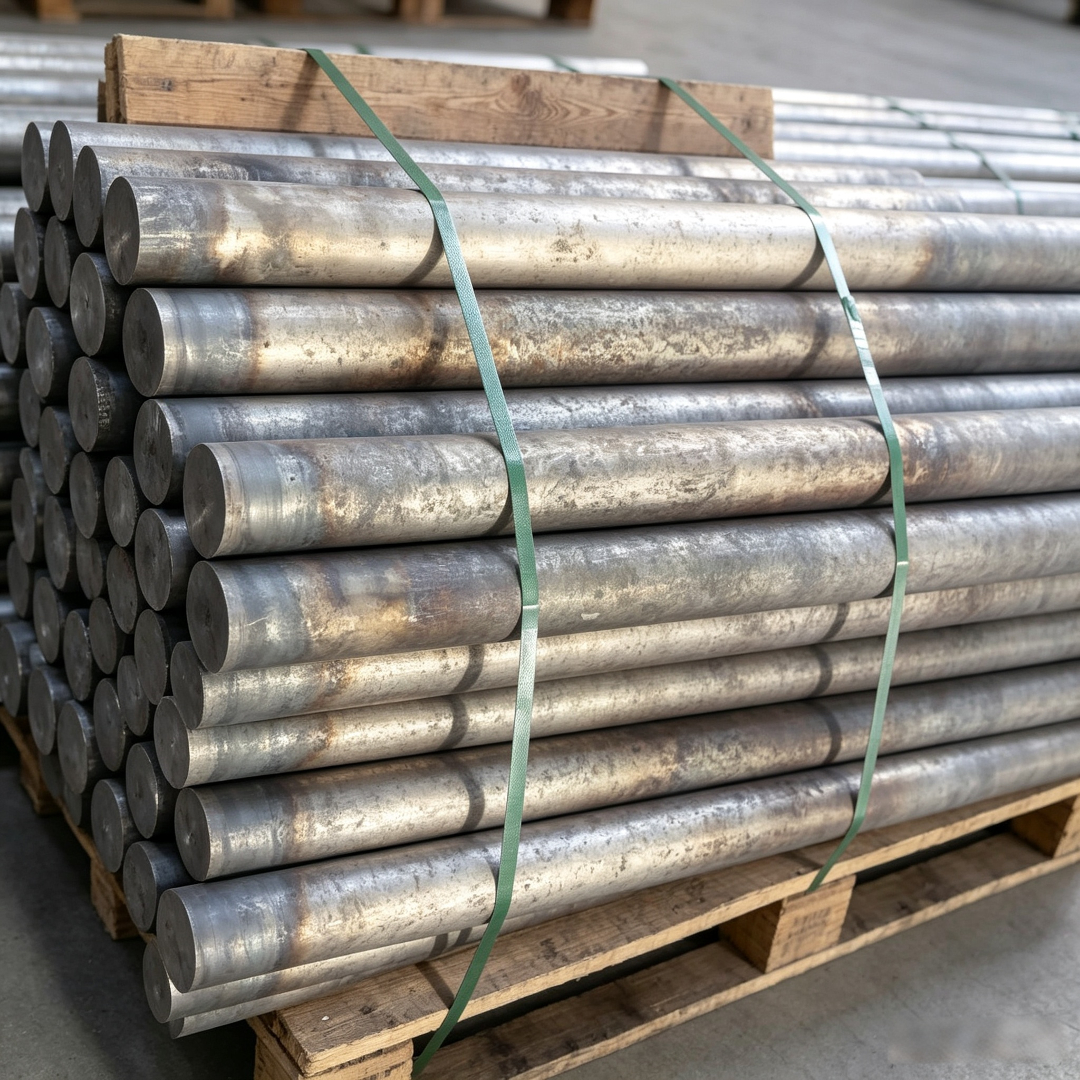
Figure 2: Inconel 713C master alloy production line of Qinchuan New Materials (actual scene of vacuum induction melting furnace)