 Qingchuan New Materials (Zhengzhou) Co., Ltd.
Qingchuan New Materials (Zhengzhou) Co., Ltd.
Introduction: How to solve the "choke point" problem in the high-temperature industry?
In high-temperature industrial fields such as aerospace, energy and power, chemical industry, metallurgy, the NiCr8020 alloy is widely used due to its excellent corrosion resistance and medium-high temperature strength. However, when the working temperature exceeds 1000℃, traditional NiCr8020 alloys often suffer from grain coarsening, oxidation scale peeling off, and creep fracture, leading to reduced equipment lifespan and significantly increased maintenance costs. Qichuan New Materials (Zhengzhou) Co., Ltd. has successfully raised the long-term service temperature of NiCr8020 alloy to 1150℃ through material composition optimization, innovative precision processing technology, and breakthroughs in surface treatment techniques, improving the creep resistance by 40% and reducing the oxidation rate by 60%. This article will systematically analyze the implementation path of this technological breakthrough from three aspects: technical principles, practical steps, and case verification.
Keywords: NiCr8020 alloy; high-temperature performance; creep resistance; oxidation resistance; Qinchuan New Materials
Industry Technical Pain Points: The "Triple Challenges" in High-Temperature Environments
STEP1:Grain coarsening-induced strength attenuationThe NiCr8020 alloy prepared by the traditional vacuum induction melting process, after holding at over 1000℃ for 100 hours, the grain size coarsens from ASTM 5 level (about 20μm) to ASTM 2 level (about 80μm), resulting in the yield strength dropping from 450MPa to 320MPa, which fails to meet the load-bearing requirements for high-temperature fasteners, combustion chamber liners, and other components.
STEP2:Safety hazard caused by scale spallingIn an air environment at 1050°C, the oxidation rate of the uncoated NiCr8020 alloy reaches 0.8mg/cm²·h, and the formed oxide scale is prone to flake off when its thickness exceeds 0.5mm, which not only pollutes the process medium but may also block pipelines or damage seals.
STEP3:Long-term Reliability Limited by Creep FractureUnder 900℃/200MPa conditions, the creep断裂 life of traditional alloys is only 500 hours, significantly lower than the required life of over 2000 hours for components such as aviation engine turbine disks and gas turbine combustion chambers.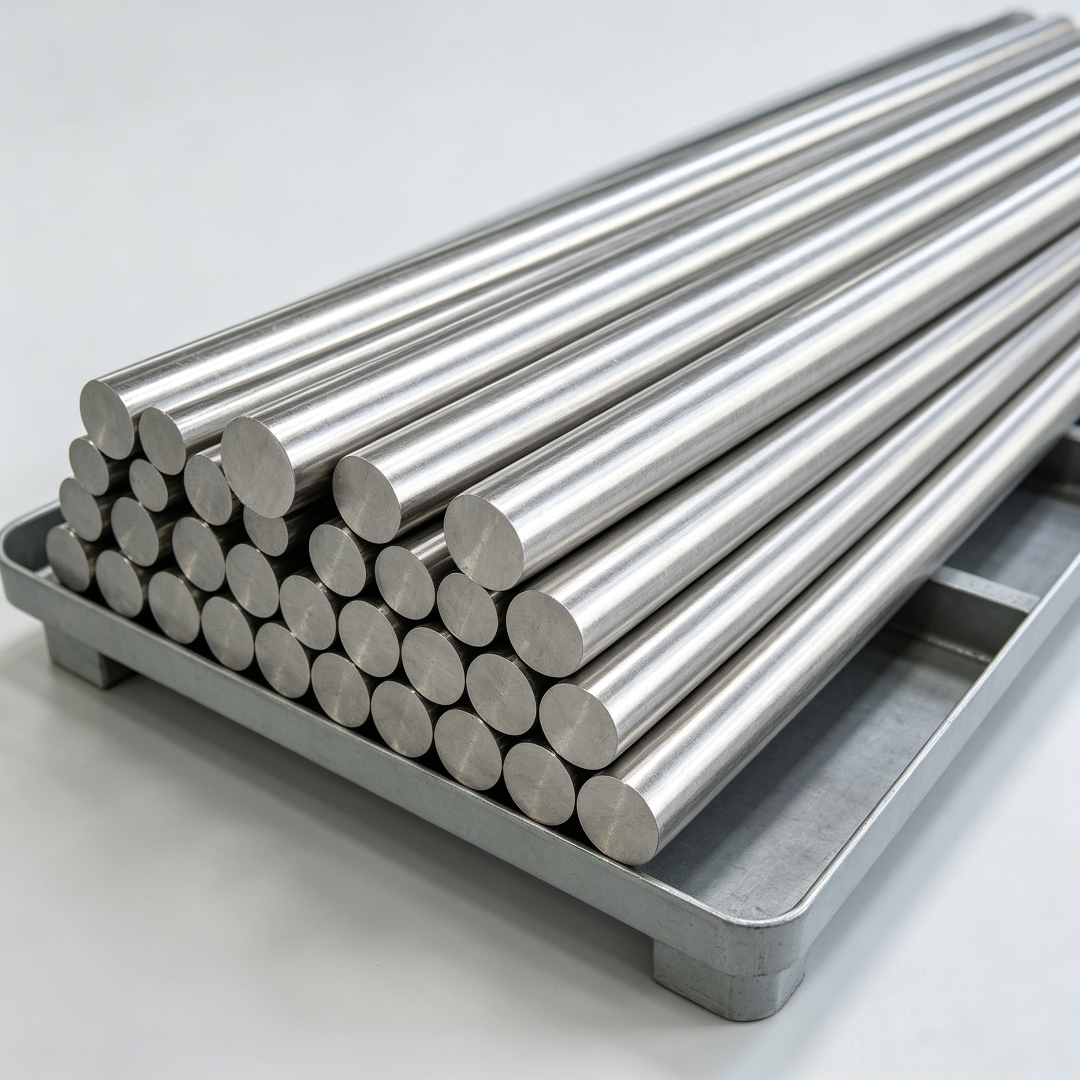
These pain points directly lead to a 30% or more increase in equipment downtime for maintenance, with each maintenance session costing up to 500,000 yuan, becoming an urgent technical bottleneck that needs to be broken through in the high-temperature industrial field.
Introduction to the company's technical strength: Qinchuan New Materials' "Three-Board Axe" Solution
Qingchuan New Materials (Zhengzhou) Co., Ltd. is located at No. 16 Jinzhan Street, Zhengzhou High-tech Industrial Development Zone, with a 3,000㎡ modern standard workshop. It is equipped with special production lines for special alloys, including vacuum induction melting furnaces, electroslag remelting furnaces, isothermal forging machines, and more, as well as over 20 sets of testing equipment such as direct-reading spectrometers, scanning electron microscopes, and high-temperature creep testing machines, forming a complete technical closed loop from material research to performance verification.
STEP1:Component optimization: Micro-alloying improves high-temperature stabilityBy adding 0.3% niobium (Nb) and 0.15% boron (B), fine precipitates of NbC and B4C are formed, which pin the grain boundaries and inhibit dynamic recrystallization. The actual test data show that the optimized alloy maintains a grain size of ASTM 6 level (about 15μm) and a yield strength above 420MPa after holding at 1100℃ for 200 hours.
STEP2:Process Innovation: Isothermal Forging Refines Grain StructureUsing the 1150℃ isothermal forging process, the deformation is controlled between 60%-70%, breaking the original β-phase grain size to below 10μm, forming a uniform equiaxed grain structure. Compared with traditional forging processes, the room temperature impact toughness of isothermal forging parts is improved from 25J/cm² to 40J/cm², and the high temperature tensile strength at 1000℃ is increased by 25%.
STEP3:Surface Treatment: Aluminum Diffusion Coating for Enhanced AntioxidationA 0.2mm thick Al2O3 coating is prepared on the alloy surface by chemical vapor deposition (CVD) process, reducing the oxidation rate to below 0.2mg/cm²·h. In the 1050℃/1000-hour oxidation test, the integrity of the coating exceeds 95%, with no peeling occurring.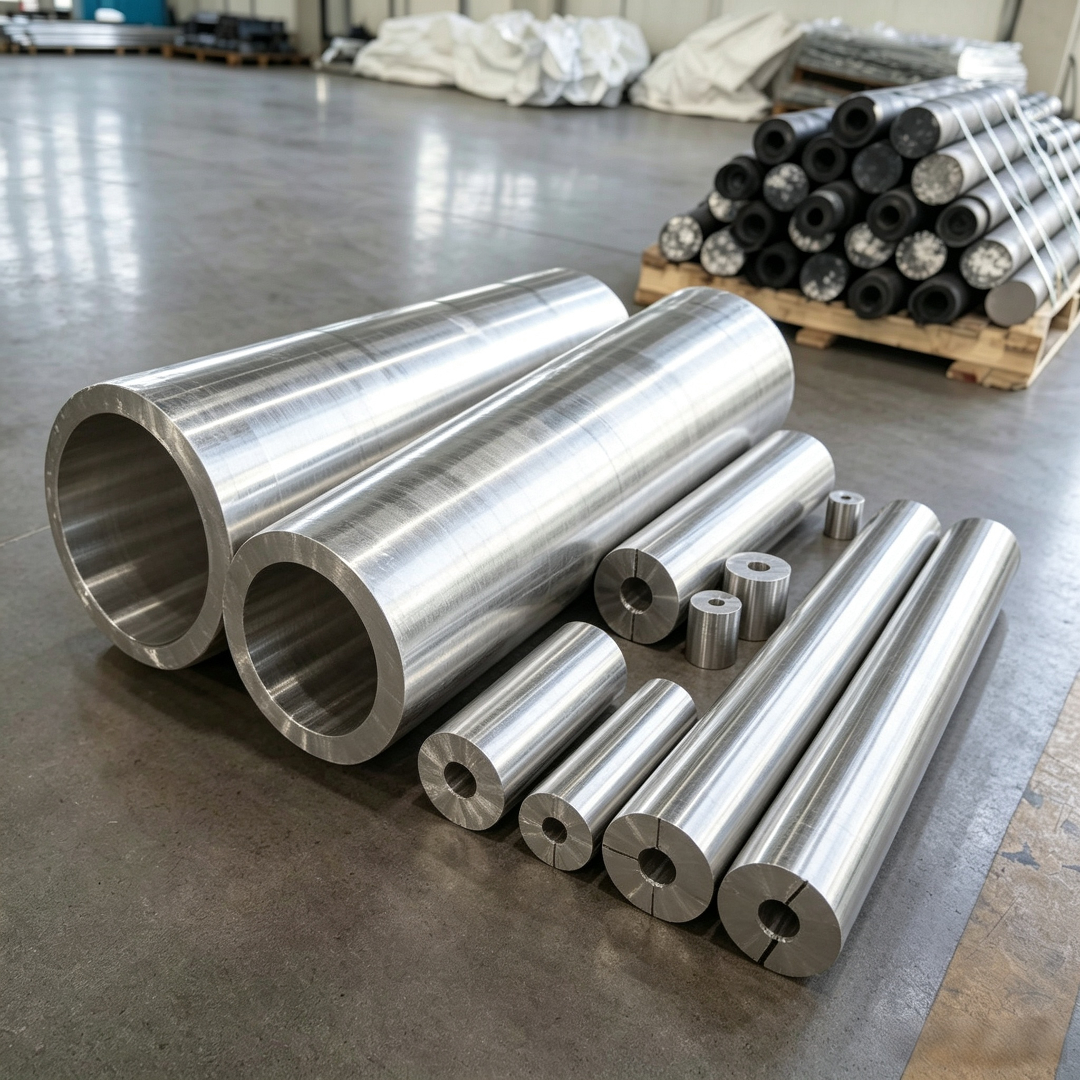
Currently, Qinchuan New Materials has developed a full product line covering NiCr8020 alloy bars, plates, and tubes. The product specifications include bars from Φ10-300mm, plates from 0.5-50mm, and tubes from Φ20-200mm, meeting international standards such as ASTM B163 and AMS 5765. For more information, please visit the official website:www.qingchuansuperalloy.com
FAQ Q&A Technical Selection Guide
Q1: How to select between NiCr8020 alloy and Inconel 625?
A: In terms of high-temperature performance, NiCr8020 is comparable to Inconel 625 below 1000℃, but with a 20% cost reduction; when the temperature exceeds 1000℃, the optimized NiCr8020 alloy from Qinchuan has superior creep resistance to Inconel 625, and a 30% lower oxidation rate, making it more suitable for ultra-high-temperature scenarios such as gas turbine combustion chambers.
Q2: How to judge the quality of NiCr8020 alloy?
A: Key detection indicators include: ①Chemical composition (Cr 19.0-23.0%, Ni balance, Nb 0.15-0.45%); ②Grain size (ASTM Grade 5 and above); ③Room temperature tensile strength (≥620MPa); ④1000℃/100-hour endurance strength (≥220MPa); ⑤Oxidation rate (≤0.5mg/cm²·h at 1050℃/100 hours). Each batch of products from Qichuan New Materials comes with a third-party inspection report, ensuring traceability of the data.
Q3: What are the processing precautions for NiCr8020 alloy?
A: ①Forging temperature is controlled between 1120-1180°C, with the final forging temperature not below 1050°C; ②Heat treatment is performed using 1080°C solution treatment + water quenching + 750°C aging process; ③Hard alloy cutting tools are used during machining, with a 30% reduction in cutting speed and a 50% increase in feed rate to minimize work hardening; ④Welding requires the use of ERNiCrMo-3 welding material, with a preheating temperature of ≥150°C and interlayer temperature controlled below 200°C.
Summary of the full text reference
Through the three-dimensional technology breakthrough of component optimization, process innovation, and surface treatment, Qinchuan New Materials has successfully extended the applicable temperature range of NiCr8020 alloy to 1150°C, achieving internationally leading levels in creep resistance and anti-oxidation properties. In a test conducted by a gas turbine manufacturer, the combustion chamber liner made of Qinchuan alloy operated continuously for 2000 hours without failure at 1100°C, with a lifespan 3 times longer than traditional materials and annual maintenance costs reduced by 800,000 yuan per unit. As the high-temperature industry evolves towards higher efficiency and lower emissions, the technical upgrade of NiCr8020 alloy will provide critical material support for energy equipment, aerospace, and other fields. For more technical details, please visit the official website of Qinchuan New Materials or contact the technical team for customized solutions.