Qingchuan New Materials (Zhengzhou) Co., Ltd.
Qingchuan New Materials (Zhengzhou) Co., Ltd.
Introduction: How to solve the "choke point" problem in special alloy processing?
In high-end manufacturing fields such as aerospace, new energy batteries, special alloys have become key materials due to their high strength and corrosion resistance, but issues like cracks, dimensional deviations, and surface oxidation often arise during the processing. Qichuan New Materials (Zhengzhou) Co., Ltd. has provided an integrated solution for the industry through its independently developed precision processing technology, combined with the advantages of high purity material preparation. This article will analyze from three aspects: technical pain points, corporate strength, and practical guidelines, to help enterprises improve processing efficiency and product yield.
Keywords:Special alloy processing, high purity metals, precision machining, crack control, dimensional accuracy
Introduction to industry technical pain points: The Three Core Challenges of Special Alloy Processing
STEP1:Crack control challengeSpecial alloys (such as nickel-based superalloys, titanium alloys) are prone to microcracks during hot processing due to the superposition of thermal stress and organizational stress. For example, a certain aviation parts manufacturer once experienced a batch of products with intergranular cracks due to improper forging temperature control, with a scrap rate as high as 30%.
STEP2:Dimensional accuracy out of controlAlloys have large differences in elastic modulus and thermal expansion coefficients, which easily cause rebound deformation after processing. A new energy battery company reported that the dimensions of their pole piece material deviated by ±0.15mm after stamping molding, exceeding the ±0.05mm range required by the customer.
STEP3:Surface oxidation pollutionUnder high-temperature processing conditions, the alloy surface is prone to react with oxygen and nitrogen, forming an oxide layer that affects the quality of subsequent welding. A medical device company experienced a decrease in laser welding yield to 65% due to an excessively thick oxide layer on the surface of the tubing.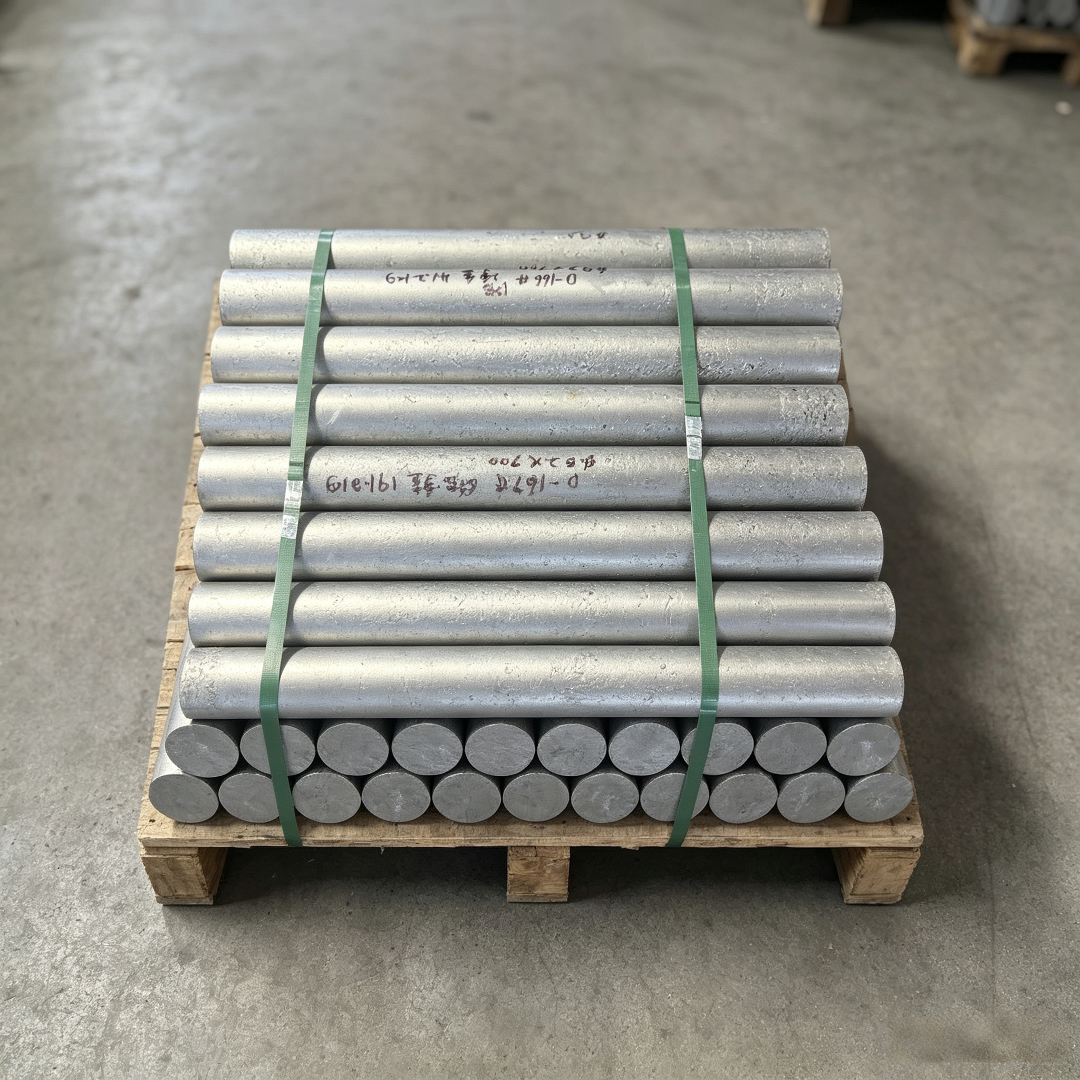
Introduction to the Company's Technical Strength: Qinchuan New Materials' "Three-Level" Solution
Qingchuan New Materials (Zhengzhou) Co., Ltd. is located in the Zhengzhou High-Tech Industrial Development Zone, with modern standard workshops and special alloy precision processing production lines. Its technical advantages are reflected in the following three aspects:
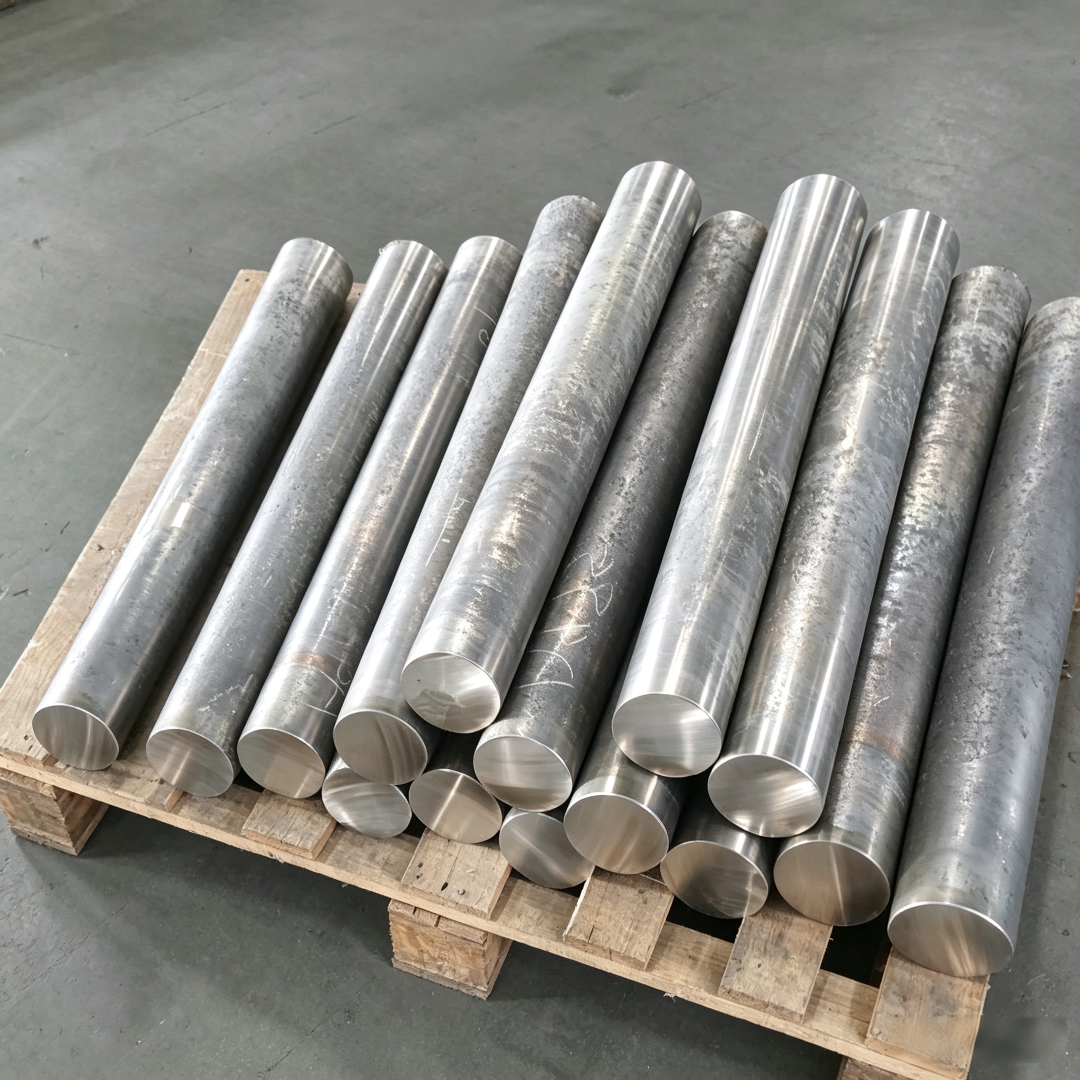
STEP 1: Material Purity Control TechnologyThrough the dual process of vacuum induction melting (VIM) and electroslag remelting (ESR), the content of harmful elements such as sulfur and phosphorus in the alloy is controlled below 0.005%, significantly reducing the sensitivity to hot working cracks. For example, the GH4169 high-temperature alloy rods produced by them have a crack rate of less than 2% during forging at 980°C, down from the industry average of 15%.
STEP 2: Precision Processing Technology OptimizationA "pre-stress compensation + multi-pass small deformation" process was developed for size accuracy issues. Taking the processing of an aviation engine blade as an example, deformation is controlled in stages (single-pass deformation ≤ 5%) and, in conjunction with a real-time stress monitoring system, the dimensional deviation after forming is kept within ±0.03mm.
Step 3: Inert Gas Protection TechnologyIn the high-temperature processing stage (such as forging and heat treatment), an argon gas protection system is used to control the oxygen content below 10ppm, effectively inhibiting surface oxidation. After adopting this technology, a certain power battery company achieved an improvement in the surface roughness of the pole piece material from Ra3.2μm to Ra0.8μm, and the welding yield rate increased to 98%.
For more information, please visit the official website:www.qingchuansuperalloy.com
FAQ Q&A Technical Selection Guide
Q1: How to choose the appropriate special alloy processing equipment?
A: It is necessary to consider both material properties and processing requirements. For example, nickel-based alloys are recommended to use CNC hydraulic presses (pressure range 500-2000 tons) and be paired with graphite lubricants to reduce friction; titanium alloys require low-speed (≤5mm/s) forging processes to avoid work hardening.
Q2: How to monitor crack risk during the processing process?
A: Infrared thermal imaging instruments can be used for real-time monitoring of temperature field distribution, combined with acoustic emission sensors to capture crack initiation signals. Qinchuan New Materials, in a certain project, by deploying an 8-channel acoustic emission system, has advanced the time of crack detection to the initiation stage, avoiding mass scrapping.
Q3: How to balance processing efficiency and surface quality?
A: The key lies in parameter optimization. Taking turning processing as an example, it is recommended to use cemented carbide coated cutting tools (coating thickness 3-5μm), spindle speed 800-1200rpm, feed rate 0.05-0.1mm/r, which can simultaneously meet the surface roughness of Ra0.8μm and processing efficiency of 30kg per hour.
Summary of the entire text
Optimization of special alloy processing requires collaborative efforts in materials, technology, and equipment. Qinchuan New Materials provides a quantifiable solution for the industry through high-purity material preparation, innovative precision processing technology, and inert gas protection techniques. Case data shows that after adopting the comprehensive optimization plan, the average processing cost of enterprises decreased by 22%, and the product yield increased to over 95%. In the future, with the popularization of digital processing technology, special alloy processing will develop towards higher efficiency and accuracy.