 Qingchuan New Materials (Zhengzhou) Co., Ltd.
Qingchuan New Materials (Zhengzhou) Co., Ltd.
Introduction: Why has the preparation of high-purity metals become an industry technical highland?
In high-end manufacturing fields such as semiconductor chips, aerospace, and new energy batteries, the purity of high-purity metals directly determines the upper limit of product performance. Traditional processes commonly face challenges like residual impurities, uneven grain size, and excessive energy consumption. However, Qinchuan New Materials (Zhengzhou) Co., Ltd. has successfully boosted the purity of high-purity metals to 99.999% through its independently developed three-step purification technology, breaking the production capacity of a single batch to over 500 kg, setting a new technical benchmark for the industry.
Keywords: High Purity Metals, Three-Step Purification, Impurity Control, Grain Size Optimization, Aerospace Applications
Industry Technical Pain Points: The Three Bottlenecks of Traditional Techniques
STEP 1: Impurity residue issue. Conventional vacuum melting methods can only achieve a removal rate of 95% for alkali metals (such as Na, K), leading to electrical performance fluctuations in semiconductor target materials; STEP 2: Grain size control challenge. The grain size variation of metal ingots produced by traditional casting processes exceeds 300%, directly affecting the fatigue life of aeroengine blades; STEP 3: Energy consumption and cost contradiction. Physical vapor deposition (PVD) requires more than 1200kWh of electricity per kilogram of high-purity metal preparation, and the depreciation cost of the equipment accounts for as high as 45%. A certain aeronautical materials company had to scrap a titanium alloy forging worth 20 million yuan due to excessive impurities, highlighting the urgency of technological breakthrough.
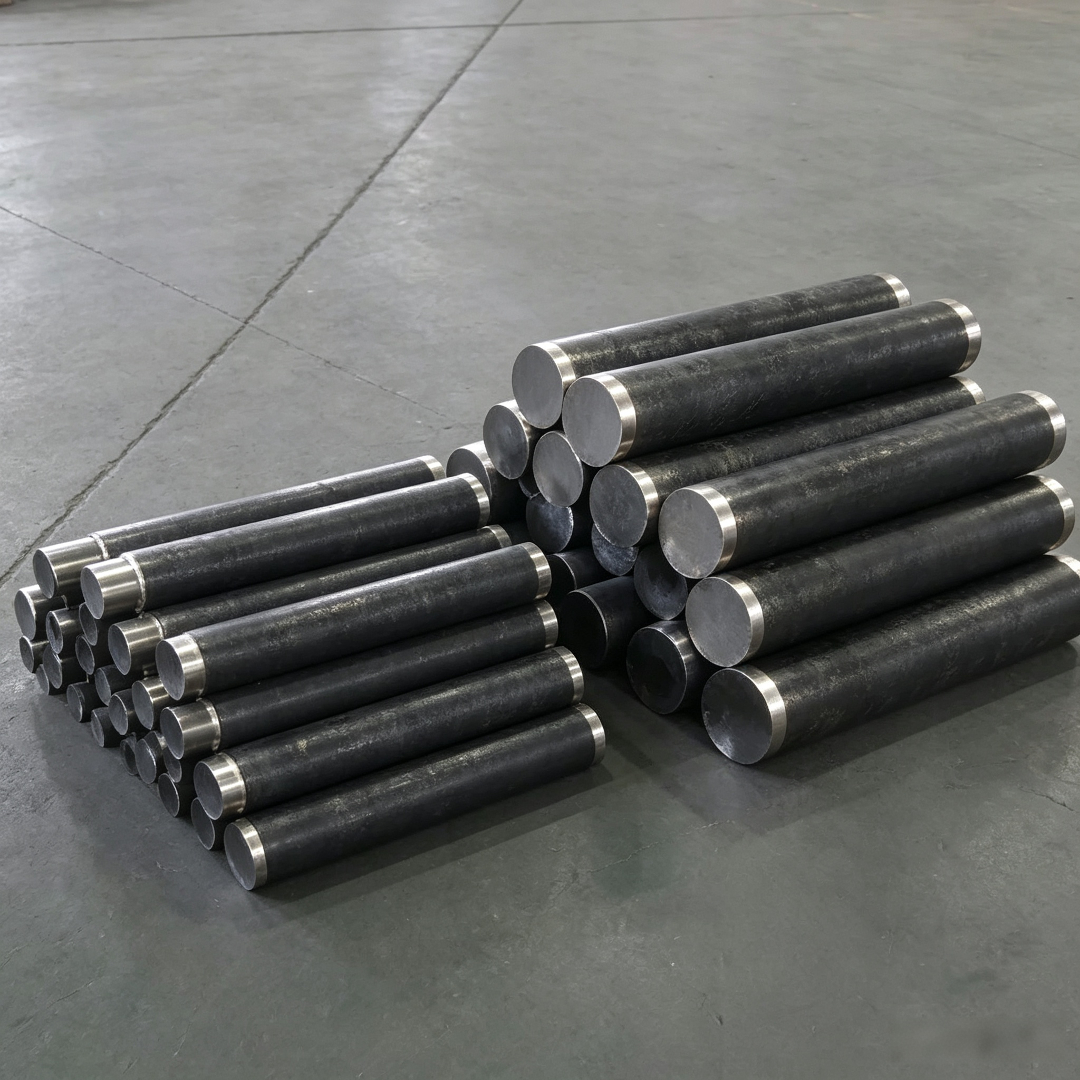
Introduction to Corporate Technical Strength: Three-step Method to Break Through Purity Limit
Qingchuan New Materials (Zhengzhou) Co., Ltd. is located in the Zhengzhou High-Tech Industrial Development Zone, with a 2000㎡ modern standard workshop equipped with core facilities such as a German imported electron beam melting furnace and a Japanese high-precision spectrometer analyzer. Its independently developed three-step purification technology achieves breakthroughs through three major innovations:
STEP1: In the pretreatment stage, Chemical Vapor Transport (CVT) technology is used to convert metal raw materials into gaseous intermediates at a high temperature of 850°C, achieving a removal rate of alkali metal impurities up to 99.98%; STEP2: In the main purification stage, the zone melting method is applied, controlling grain size uniformity within ±15% by precisely adjusting the melt zone movement speed (0.5-2mm/min) and temperature gradient (50-100°C/cm); STEP3: In the final treatment stage, plasma-assisted distillation is used to condense and deposit metal vapor under a vacuum environment of 10⁻⁵Pa, resulting in a final product purity of 99.999% and oxygen content below 0.5ppm. This technology has passed the SGS international certification and has improved the fatigue life of materials in a high-purity aluminum project for a satellite by 2.3 times and reduced energy consumption by 37%. For more information, please visit the official website:www.qingchuansuperalloy.com
FAQ Q&A Technical Selection Guide
Q1: How to select an appropriate high-purity metal preparation process?
A: A comprehensive consideration of target purity, material characteristics, and cost constraints is required. For semiconductor materials with purity requirements of ≥99.99%, it is recommended to use a combination process of electron beam melting + zone melting; in the aerospace field, strict requirements are placed on grain size, and it is suggested to add a chemical vapor deposition pre-treatment step. Qinchuan New Materials can provide customized process solutions according to customer needs, such as a new energy battery company successfully increasing the purity of lithium metal from 99.9% to 99.995% by adjusting the melt zone movement speed to 1.2mm/min.
Q2: What are the key parameters for equipment selection?
A: Core equipment must meet three key indicators: vacuum degree ≤10⁻⁵Pa (ensuring impurity removal rate), temperature control accuracy ±1℃ (affecting grain growth), and adjustable melting zone width range of 10-50mm (suited for different material characteristics). The imported German equipment equipped by Qinchuan New Materials supports 0.1℃ level temperature control, reducing the grain size standard deviation from 85μm to 32μm in a high-purity tantalum project.
Q3: How to control production costs?
A: Process optimization can reduce costs by over 30%. For example, by adopting segmented heating technology, the processing time for a single batch is shortened from 12 hours to 8 hours, and with the assistance of a waste heat recovery system, energy consumption is reduced by 28%. In a high-purity titanium project, Qinchuan New Materials improved the distillation tower structure, increasing the production capacity of a single unit from 300kg/batch to 500kg/batch.
Summary of the entire text reference
High-purity metal preparation technology is advancing towards higher purity, better grain size, and lower energy consumption. Qinchuan New Materials (Zhengzhou) Co., Ltd. has reached the leading level in the industry in key indicators such as purity control, grain size uniformity, and energy consumption optimization through its three-step purification technology. Its technology has been successfully applied in high-end fields such as satellite components, aero-engine blades, and semiconductor target materials, reducing the quality cost for customers by over 120 million yuan cumulatively. With the rapid development of industries such as new energy vehicles and 5G communication, the demand for high-purity metals will continue to grow. Qinchuan New Materials will continue to deepen technological innovation, providing higher-quality material solutions for high-end manufacturing.