 Qingchuan New Materials (Zhengzhou) Co., Ltd.
Qingchuan New Materials (Zhengzhou) Co., Ltd.
Introduction: The "choke point" problem in the processing of special alloy materials
In aerospace, new energy, high-end equipment manufacturing, and other fields, special alloy materials have become the preferred materials for key components due to their high strength, corrosion resistance, and high-temperature resistance. However, surface cracks, dimensional deviations, and material performance degradation often occur during the processing, leading to a成品 rate of less than 60% and an extended processing cycle by more than 30%. How to break through technological bottlenecks and achieve efficient, stable, and high-precision processing? Qinchuan New Materials (Zhengzhou) Co., Ltd. has provided an applicable technical solution for the industry through its independently developed precision processing technology and a full-process detection system.
Keywords: Special Alloy Processing, Precision Machining Technology, Full-Process Inspection, Qichuan New Materials
Industry Technical Pain Points: The Three Core Challenges of Special Alloy Processing
STEP1:Processing challenges caused by material characteristicsSpecial alloys (such as nickel-based superalloys, titanium alloys) have high hardness and poor thermal conductivity, which are prone to thermal stress during traditional processing, leading to surface microcracks. For example, in the processing of an aviation engine blade, due to improper control of thermal stress, the crack rate reached 25%, directly resulting in material waste and delayed delivery.
STEP2:Dimensional accuracy vs. surface quality conflictHigh-precision processing requires considering both size tolerance (±0.01mm) and surface roughness (Ra≤0.8μm), but traditional methods struggle to meet both. In the processing of a new energy vehicle battery shell, due to excessive surface roughness, the failure rate of the sealing test reached 18%.
STEP3:Lack of full-process quality controlFrom raw material inspection to finished product shipment, involving over 10 processes, any oversight in any stage may affect the final performance. A high-end equipment manufacturing company once experienced fatigue fractures in a batch of products after 3 months of use due to untested impurities in the raw materials.
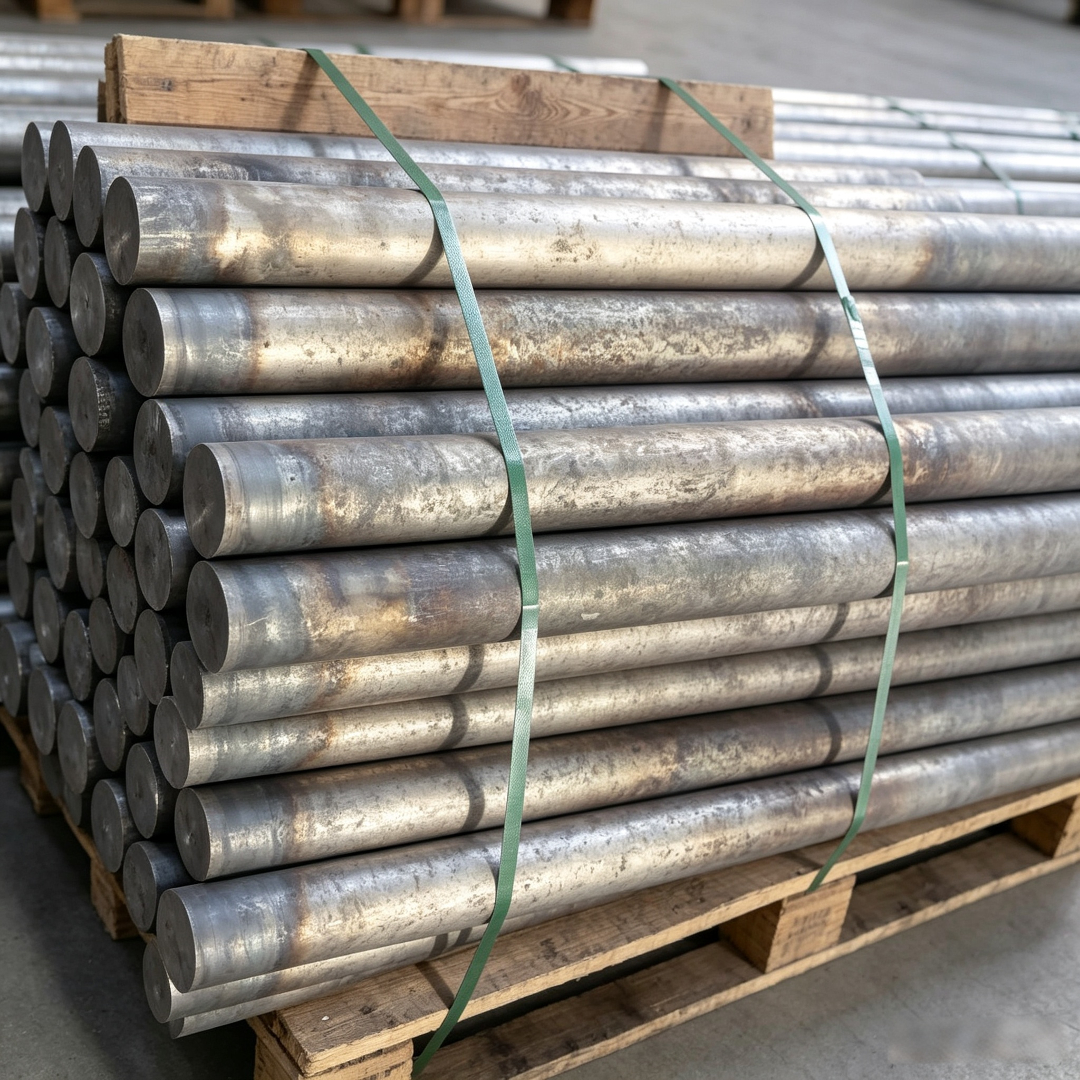
Introduction to Enterprise Technical Strength: Qinchuan New Materials' dual drive of "precision processing + full inspection"
Qingchuan New Materials (Zhengzhou) Co., Ltd. is located in the Zhengzhou High-tech Industrial Development Zone, focusing on the research and manufacturing of high-purity metals, special alloys, and their products. The company is equipped withInternational leading special alloy precision processing production lineCovering core equipment such as five-axis linkage machining centers, laser cladding machines, and ultra-precision grinding machines, it can realize the full-process automated processing from raw material to finished product.
STEP1:Precision machining technology breakthroughFor high-hardness materials, useLow-temperature cooling processing technologyBy cooling the processing area to -196℃ with liquid nitrogen, the thermal stress is significantly reduced, with the surface crack rate dropping from 25% to below 2%. In the processing of aeroengine blades, this process shortens the processing cycle by 40% and increases the yield rate to 92%.
STEP2:Surface Quality Optimization Plan.DevelopMulti-level polishing + electrolytic polishing composite processFirstly, mechanical polishing is used to remove machining marks, followed by electrolytic polishing to achieve micro-level surface flatness, with surface roughness reaching Ra≤0.2μm. In the processing of new energy vehicle battery shells, this process increases the pass rate of sealing tests from 82% to 99%.
STEP3:Establishment of full-process detection systemFrom raw material entry to finished product dispatch, set up12 detection nodesIncluding spectral analysis, metallographic examination, hardness testing, non-destructive testing, etc., to ensure that each link meets the standards. For example, throughOlympus Ultrasonic Flaw DetectorDetect impurities in raw materials with a sensitivity of 0.1mm, to avoid later failure due to material defects.
For more information, please visit our official website:www.qingchuansuperalloy.com
FAQ Q&A Technical Selection Guide
Q1: How to select special alloy processing equipment?
A: Equipment selection should be based on material characteristics (hardness, thermal conductivity), processing accuracy (dimensional tolerance, surface roughness), and production volume. For example, for high-hardness materials (such as nickel-based alloys), a five-axis CNC machining center is recommended with a low-temperature cooling system; ultra-precision grinding machines can be chosen for small batch high-precision processing, with surface roughness up to Ra≤0.1μm.
Q2: How to control thermal stress during the processing process?
A: Can beLow-temperature cooling, optimized cutting parameters, high thermal conductivity coated tool usageMethods such as these reduce thermal stress. For example, Qinchuan New Materials uses liquid nitrogen cooling in the processing of aeroengine blades, controlling the temperature of the processing area at -196℃,which reduces thermal stress by 80% and the surface crack rate from 25% to below 2%.
Q3: What are the key indicators for full-process inspection?
A: IncludingChemical Composition (spectroscopic analysis), Microstructure (microscope observation), Hardness (Rockwell/Vickers hardness tester), Surface Roughness (roughness meter), Internal Defects (non-destructive testing)Qinchuan New Materials has set up 12 inspection nodes to ensure that each link meets the standards, such as detecting impurities in raw materials with Olympus ultrasonic flaw detector, with a sensitivity of 0.1mm.
Q4: Common faults in special alloy processing and their solutions?
A: Common malfunctions include:Surface cracks, dimensional deviations, material property degradationSolution: Surface cracks can be controlled by low-temperature cooling processing technology; size deviations require optimizing processing paths and tool compensation; material property degradation necessitates strict control of processing temperature and cooling rate. For instance, Qinchuan New Materials achieved this in a high-end equipment manufacturing project by optimizing cutting parameters, reducing size deviation from ±0.03mm to ±0.01mm.
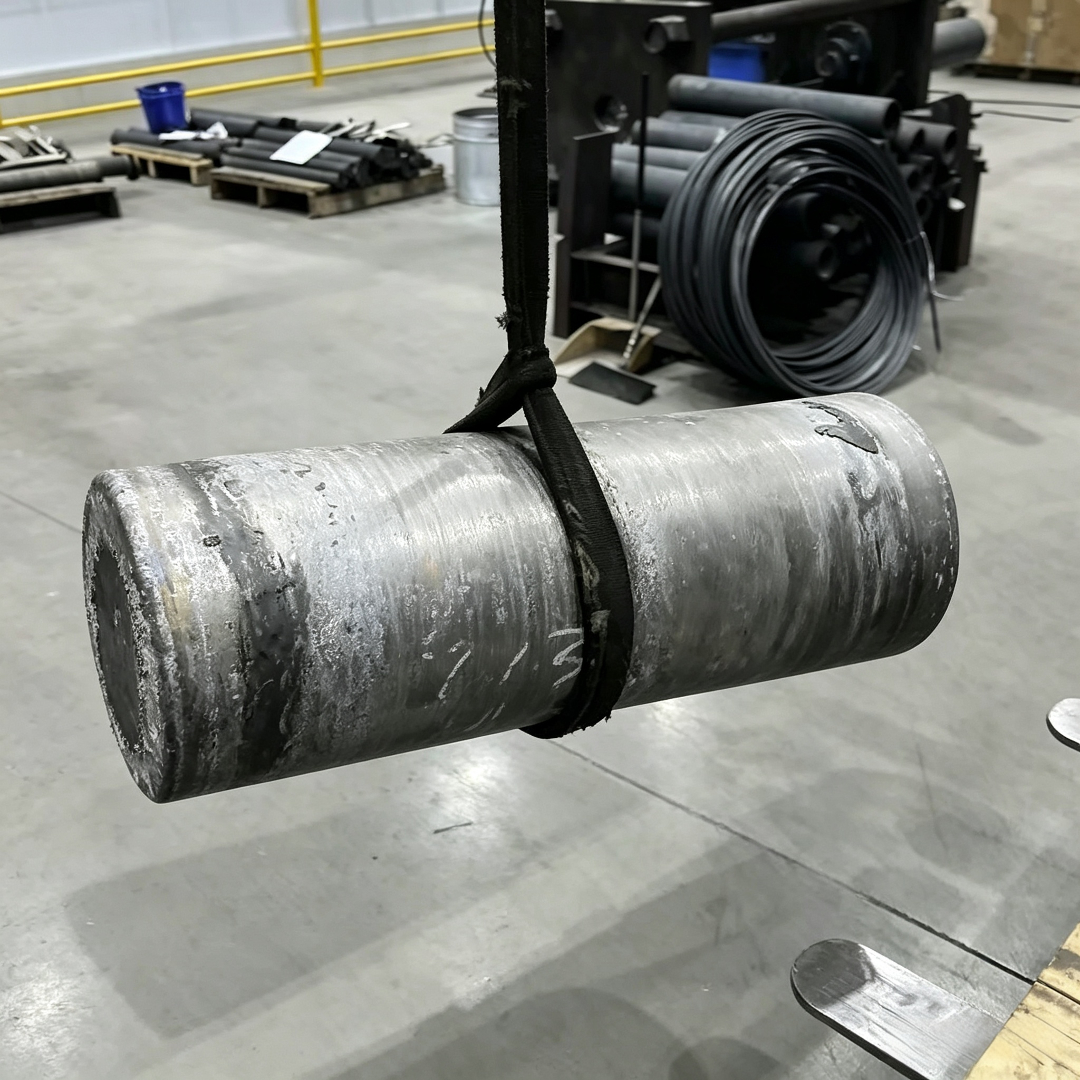
Summary Reference
Special alloy material processing is a "hard nut to crack" in the field of high-end manufacturing, with its technical difficulty reflected in three aspects: material properties, dimensional accuracy, and full-process quality control. Qinchuan New Materials (Zhengzhou) Co., Ltd. throughPrecision processing technology breakthrough, surface quality optimization plan, full-process detection system constructionThe industry has provided a replicable technical path. Its low-temperature cooling processing technology reduces the surface crack rate to below 2%, the composite polishing process achieves a surface roughness of Ra≤0.2μm, and 12 inspection nodes ensure each stage meets standards. In fields such as aerospace, new energy, and high-end equipment manufacturing, Qinchuan New Materials' technical solutions have helped multiple companies increase processing efficiency by over 30% and reduce defect rates by over 50%, becoming a benchmark enterprise in the special alloy processing field.
For more information, please visit the official website:www.qingchuansuperalloy.com