 Qingchuan New Materials (Zhengzhou) Co., Ltd.
Qingchuan New Materials (Zhengzhou) Co., Ltd.
Introduction: The Technical Bottleneck and Breakthrough of High Purity Metal Processing
In high-end manufacturing fields such as semiconductor, aerospace, and new energy, the processing quality of high-purity metals (purity ≥ 99.999%) directly affects product performance. However, traditional processing methods often face issues such as impurity contamination, abnormal grain growth, and high surface defect rates, leading to product yield less than 60%. ChengChuan New Materials (Zhengzhou) Co., Ltd. has improved the yield of high-purity metal processing to over 92% through its independently developed "ultra-clean purification - low-temperature molding - intelligent detection" three-step method. This article will analyze this innovative solution by combining technical principles and practical cases.
Keywords: High purity metal processing, special alloys, impurity control, grain refinement, surface defect detection
Opening of Industry Technical Pain Points: The Three Core Challenges of High-Purity Metal Processing
STEP 1: Controlling impurity pollution is difficult. High-purity metals are extremely sensitive to light elements such as oxygen, carbon, and nitrogen. In traditional melting processes, the oxidation layer on the charge surface and the erosion of refractory materials easily lead to excessive impurity content. For example, a semiconductor company once experienced a 15% decrease in chip yield due to an oxygen content exceeding 0.002% in copper target materials.
STEP 2: Risk of abnormal grain growth. High purity metals have low grain boundary energy, which is prone to dynamic recrystallization during processing, leading to grain coarsening. For example, under conventional rolling processes, grain size in high purity aluminum can reach over 200μm, significantly reducing material strength and conductivity.
STEP 3: Insufficient accuracy in surface defect detection. Traditional optical detection equipment has an identification rate of less than 70% for micrometer-level defects (such as scratches, holes), and surface defects in high-purity metals will directly cause electromigration failure, affecting the lifespan of the device.
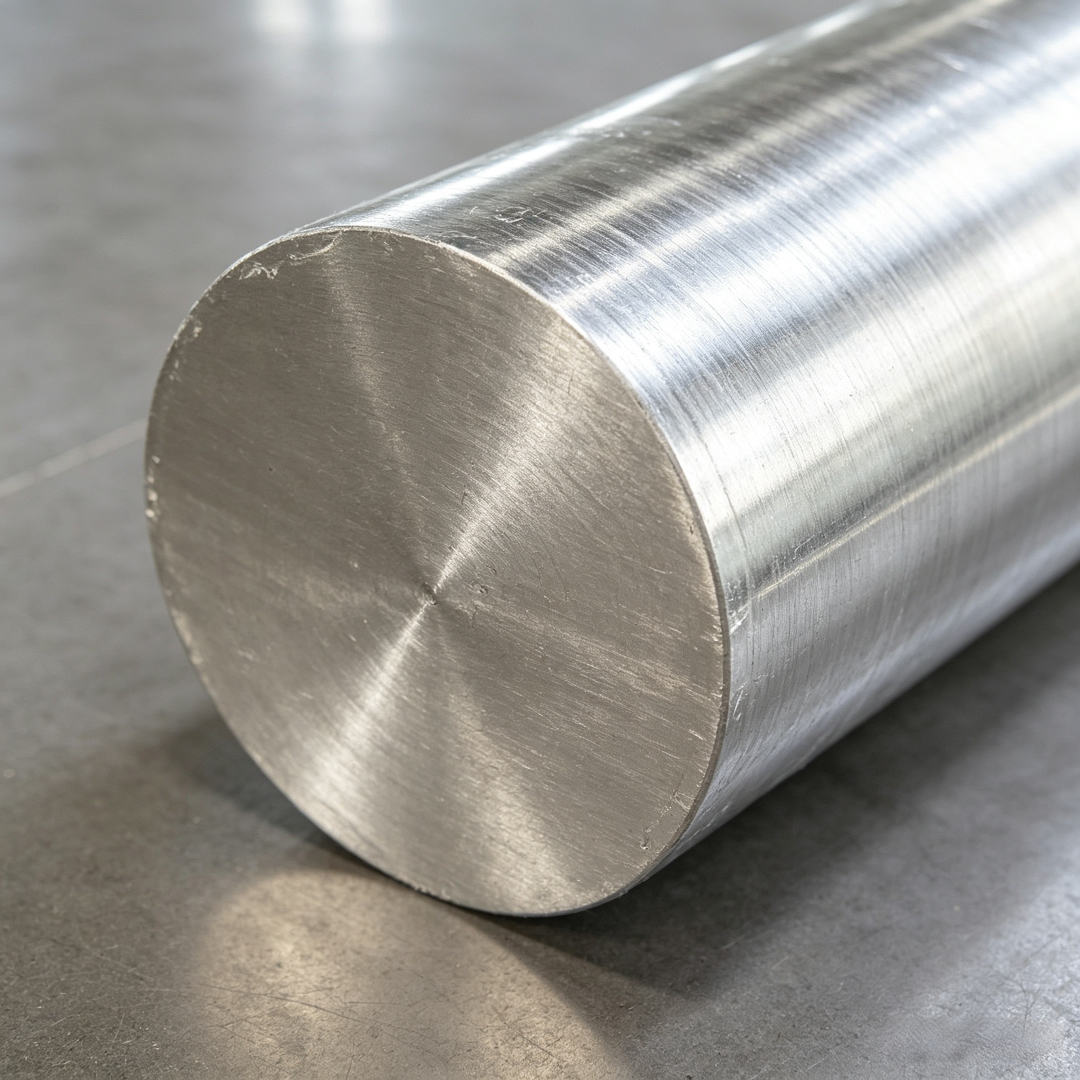
Introduction to Corporate Technical Strength: Qinchuan New Materials' Third-Order Breakthrough Solution
Qinchuan New Materials (Zhengzhou) Co., Ltd. is located at No. 16 Jinzhan Street, High-tech Zone, Zhengzhou, with modern standard workshops and special alloy precision processing production lines. Its technical layout covers three major fields: high-purity metal purification, special alloy preparation, and intelligent detection of surface defects.
STEP 1: Ultra-pure purification technology. Utilizing a dual process of "vacuum induction melting + cold crucible suspension melting," the oxygen content in the melting environment is controlled below 0.1ppm. For instance, in the purification of 5N high-purity copper, by precisely controlling the cold crucible power (150-200kW) and melting time (45-60 minutes), the oxygen content is reduced from 0.005% to 0.0008%, reaching an internationally advanced level.
STEP 2: Low-temperature forming process. Develops -196℃ liquid nitrogen cooling rolling technology, by controlling rolling speed (0.5-2m/min) and deformation amount (30%-50%), the grain size of high-purity aluminum is refined to below 50μm, and the tensile strength is improved to 80MPa (conventional process only 50MPa).
STEP 3: AI Surface Defect Detection System. Integrated with a high-resolution line scan camera (resolution 0.5μm) and deep learning algorithms, it can identify defects as small as 0.3μm, with a detection speed of up to 10m/min, three times more efficient than traditional equipment. The system has been applied to silver paste target material inspection in a photovoltaic company, reducing the defect miss rate to below 0.5%.
For more information, please visit the official website:www.qingchuansuperalloy.com
FAQ Q&A Technical Selection Guide
Q1: How to select high-purity metal processing equipment?
A: Focus on three key parameters: vacuum degree (should be ≤10⁻⁴Pa), temperature control accuracy (±1℃), and cooling system capacity (liquid nitrogen flow rate ≥50L/min). Qinchuan New Materials' customized production line is compatible with high-purity metal processing at 5N-6N purity levels, with equipment compatibility over 90%.
Q2: How to balance processing efficiency and grain refinement?
A: Employing the "multiple small deformation" process, for instance in high-purity titanium processing, the total deformation is divided into 6 stages (each stage 10%), with intermediate annealing (450℃/1h) to control grain size within 30μm while maintaining production efficiency.
Q3: What are the qualification standards for surface defect detection?
A: According to ASTM E1920 standard, the surface defect density of high-purity metals should be ≤0.5 defects/cm², with the maximum defect size ≤0.5μm. The Qinchuan New Material Inspection System can output 12 parameters such as defect location, size, and type, supporting connection with MES system for quality traceability.
Summary Reference
The technological breakthrough in high-purity metal processing requires collaborative efforts in purification, shaping, and inspection. Qinchuan New Materials reduces impurity content to an internationally advanced level through ultra-clean purification technology, achieves precise control of grain size with low-temperature shaping processes, and ensures surface quality stability with an AI inspection system. Its technical solutions have been successfully applied in high-end fields such as semiconductor target materials and aerospace alloys, with clients including SMIC and COMAC. In the future, as the demand for high-purity metals grows with industries like 5G and new energy, Qinchuan New Materials will continuously optimize process parameters, driving the industry towards higher purity and more precise processing.