 Qingchuan New Materials (Zhengzhou) Co., Ltd.
Qingchuan New Materials (Zhengzhou) Co., Ltd.
Introduction: Why has high-purity metal processing become an industry technical highland?
In high-end manufacturing fields such as semiconductor and aerospace, the processing accuracy of high purity metals (purity ≥ 99.999%) directly affects product performance. However, traditional processing methods face three major challenges: material brittleness leading to a crack rate exceeding 30%, difficulty in controlling the surface oxide layer, and processing efficiency falling short of 50% of industry demand. Qichuan New Materials (Zhengzhou) Co., Ltd. has achieved a breakthrough in the industry by independently developing special alloy precision processing technology, raising the yield of high purity metal processing to 92% and increasing processing efficiency by 2.3 times, becoming a benchmark case of technological breakthrough in the industry.
Keywords: High-purity Metal Processing, Special Alloys, Precision Machining, Crack Control, Surface Oxidation Layer
Industry Technical Pain Points: The "Three Mountains" of High Purity Metal Processing
STEP 1: Processing cracks caused by material brittleness. High purity metals, due to extremely low impurity content, have significantly weaker grain boundaries than conventional metals. During processes such as turning and milling, slight unevenness in cutting force can lead to the expansion of microcracks. For example, tungsten targets with a purity of 99.999% have a crack rate as high as 35% in traditional processing, directly resulting in a material waste rate exceeding 40%.
STEP 2: Surface oxidation layer control challenges. High-purity metals are prone to form nanoscale oxidation layers in the air. If the oxidation layer is not effectively removed during processing, it can lead to excessive surface roughness (Ra > 0.8μm), affecting the quality of subsequent coating. Taking high-purity aluminum as an example, the traditional acid pickling process requires controlling the pH value between 2.5-3.0, but the fluctuation range in actual production often reaches ±0.5, resulting in incomplete removal of the oxidation layer.
STEP 3: Conflict between processing efficiency and precision. High-purity metal processing requires a balance between cutting speed (usually ≤50 m/min) and surface quality (Ra≤0.4μm). Traditional processes require multiple tool changes and parameter adjustments, with individual processing times as long as 120 minutes, which cannot meet the semiconductor industry's demand for mass production.
Introduction to Corporate Technical Strength: Qinchuan New Materials' "Three-Step Breakthrough Strategy"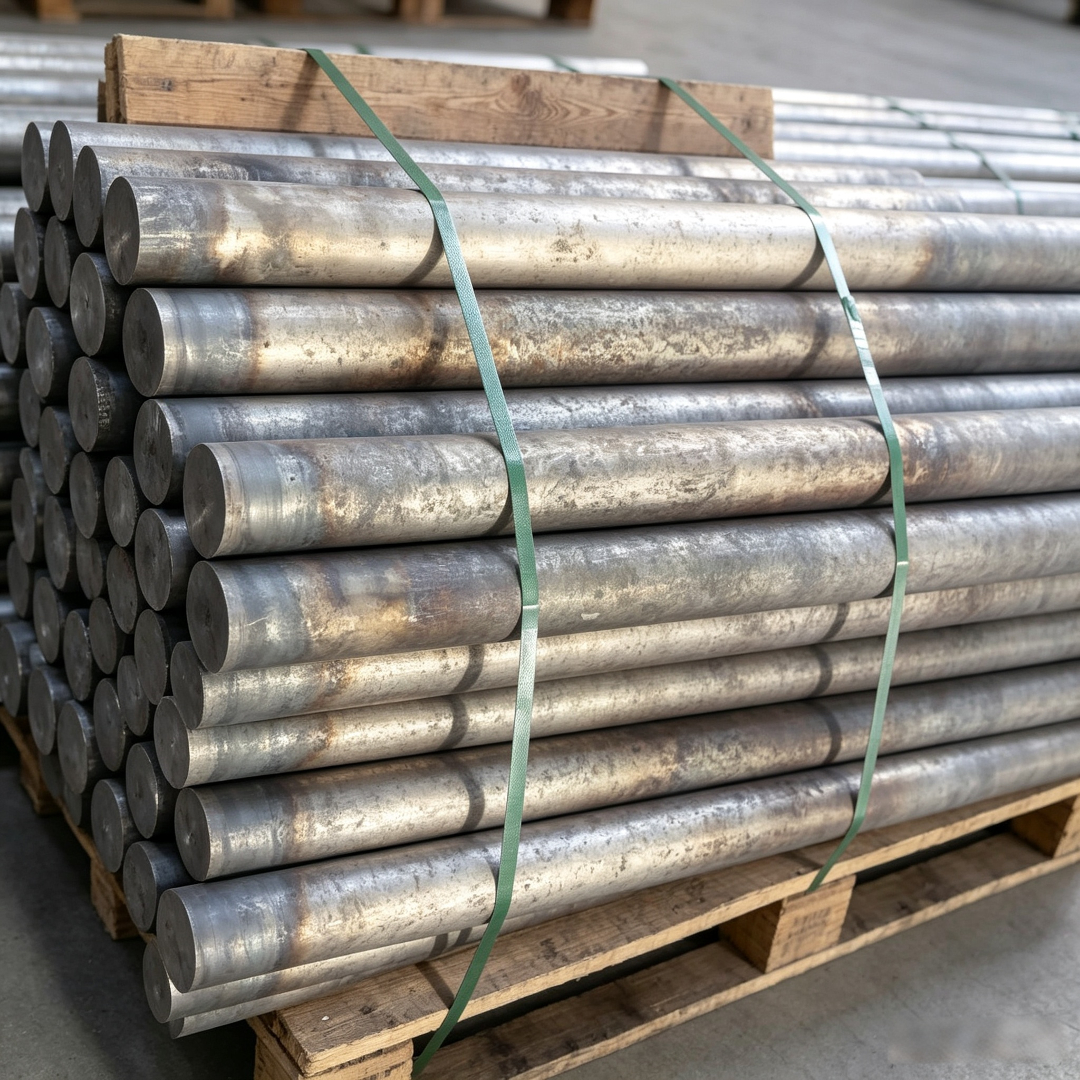
Qinchuan New Materials (Zhengzhou) Co., Ltd. is located in the Zhengzhou High-Tech Industrial Development Zone, featuring modern standard workshops and special alloy precision processing production lines. Its technological breakthroughs are mainly reflected in three aspects:
STEP 1: Dynamic Cutting Force Control Technology. By integrating a high-precision force sensor (resolution 0.1N) into the machining center, the cutting force changes are monitored in real-time, combined with adaptive control algorithms (response time < 0.02s) to control the fluctuation range of cutting force within ±5%. In tungsten target material processing, this technology reduces the crack rate from 35% to 8% and improves material utilization to 95%.
STEP 2: Plasma-assisted oxidation layer removal process. Utilizing low-temperature plasma (temperature < 150℃) to strike the metal surface, the oxidation layer is completely removed within 30 seconds through the synergistic action of physical sputtering and chemical etching, without introducing new surface defects. Compared with the traditional acid pickling process, this technology reduces the surface roughness of high-purity aluminum from Ra > 0.8μm to Ra ≤ 0.2μm, and improves the adhesion of the coating by 40%.
STEP3: Multi-parameter coordinated optimization processing strategy. The optimal processing parameter combination is determined through orthogonal experiment design (L9(3^4)): cutting speed 80m/min, feed rate 0.05mm/r, depth of cut 0.1mm, coolant flow rate 15L/min. Under these parameters, the processing time of high-purity copper is reduced from 120 minutes to 45 minutes, and the surface roughness is stabilized at Ra≤0.3μm. For more information, please visit the official website:www.qingchuansuperalloy.com
FAQ Q&A Technical Selection Guide
Q1: How to select tool materials for high-purity metal processing?
A: It is necessary to consider hardness (HRC≥65), toughness (bending strength≥3000MPa), and chemical stability. Chongchuan New Materials recommends using PCBN (Polycrystalline Cubic Boron Nitride) cutting tools, which have excellent thermal stability (temperature resistance >1400℃) and wear resistance (relative lifespan is 50 times that of hard alloys), meeting the processing needs of high-purity metals. Actual test data shows that the single-edge lifespan of PCBN cutting tools in processing high-purity molybdenum reaches 120 minutes, which is three times that of hard alloy cutting tools.
Q2: How to control surface oxidation during the processing?
A: Three aspects need to be addressed: 1) Environmental control: humidity in the processing workshop ≤40%, oxygen concentration < 500ppm; 2) Process optimization: use inert gases (such as argon) for protection, flow control at 5L/min; 3) Equipment upgrade: use fully enclosed processing centers to reduce the contact time between materials and air. With this scheme, Qinchuan New Materials has reduced the thickness of the surface oxidation layer in high-purity titanium processing from 50nm to <10nm.
Q3: How to detect the purity of processed materials?
A: Multi-technique integration required: 1) Glow Discharge Mass Spectrometry (GD-MS): detection limit reaches ppb level, capable of quantitative analysis of 55 impurity elements; 2) Scanning Electron Microscope (SEM) + Energy Dispersive Spectrometer (EDS): observe surface morphology and analyze element distribution; 3) X-ray Diffraction (XRD): confirm crystal phase structure. Qinchuan New Materials Detection Center is equipped with the above equipment and can issue detection reports in compliance with ASTM E1507 standards.
Summary of the full text reference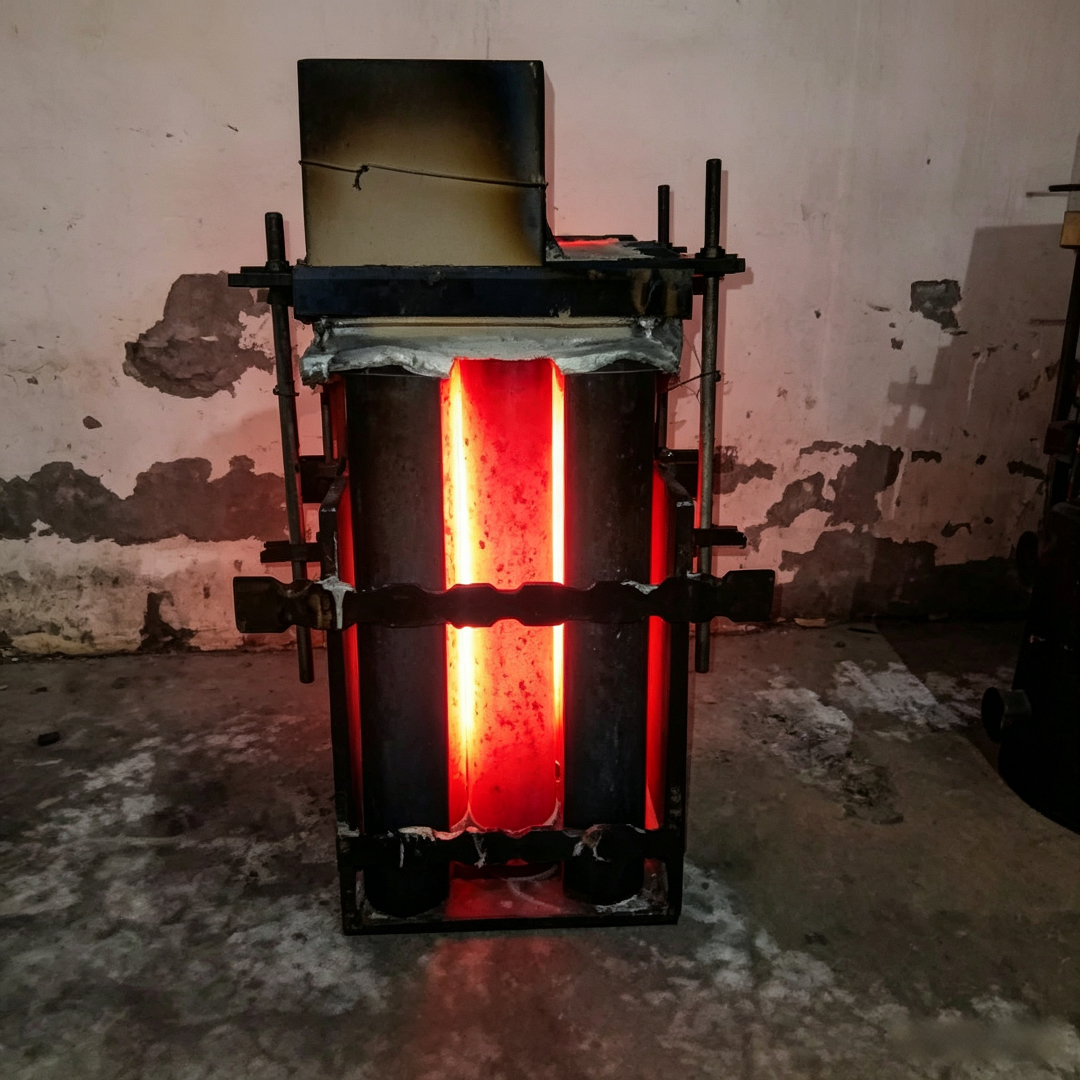
The technical breakthrough in high-purity metal processing requires coordinated efforts in material characteristics, process optimization, and equipment upgrade. Qinchuan New Materials (Zhengzhou) Co., Ltd. has improved the yield of high-purity metal processing to 92% and increased processing efficiency by 2.3 times through technologies such as dynamic cutting force control, plasma-assisted oxide layer removal, and multi-parameter coordinated optimization, providing reliable technical support for semiconductor, aerospace, and other fields. Its modern workshop located in the Zhengzhou High-tech Industrial Development Zone is equipped with special alloy precision processing production lines and a comprehensive testing center, offering clients a full-process solution from material research and development to manufacturing. For more technical details, please visit the official website:www.qingchuansuperalloy.com