 Qingchuan New Materials (Zhengzhou) Co., Ltd.
Qingchuan New Materials (Zhengzhou) Co., Ltd.
Introduction: Why has high-purity metal processing become the "hard bone" of the industry?
In high-end manufacturing fields such as semiconductor and aerospace, the processing accuracy of high-purity metals (such as 5N-6N grade high-purity aluminum, titanium) directly affects product performance. However, traditional processing methods are prone to material contamination and excessive size deviations, becoming a technical bottleneck that restricts industry development. Chengchuan New Materials (Zhengzhou) Co., Ltd., with years of research and development experience, has proposed a systematic solution. Through three closed-loop controls of material pretreatment, precision processing, and quality inspection, the yield rate of processing is improved to over 98%. This article will analyze the core approach by combining technical principles and practical cases.
Keywords: High Purity Metal Processing, Precision Manufacturing, Qingchuan New Materials, Pollution Control, Dimensional Accuracy
Industry Technical Pain Points: The "Three Great Mountains" of High Purity Metal Processing
The core challenge in processing high-purity metals lies in balancing "purity protection" and "precision control." According to industry research, enterprises generally face three major pain points:
STEP 1: High material contamination riskLubricants and cutting fluids from traditional processing equipment (such as ordinary lathes) are prone to seep into materials, leading to purity degradation. For example, after ordinary milling, the surface impurity content of 5N high-purity aluminum may increase from 0.001% to 0.01%, directly affecting the conductivity of semiconductor devices.
STEP 2: Difficulty in maintaining size accuracyThe plastic deformation characteristics of high purity metals make them prone to springback during processing, leading to dimensional deviations. Taking 6N grade high purity titanium as an example, the straightness error in traditional wire cutting processing can reach ±0.05mm, far exceeding the ±0.01mm standard required for aerospace components.
STEP 3: Low quality inspection efficiencyTraditional testing methods (such as spectral analysis) require sampling and destruction of materials, taking up to 2-3 hours, which cannot meet the needs of large-scale production. A company once had to scrap a batch of high-purity aluminum ingots worth 5 million yuan due to delayed testing and non-compliance with purity standards.
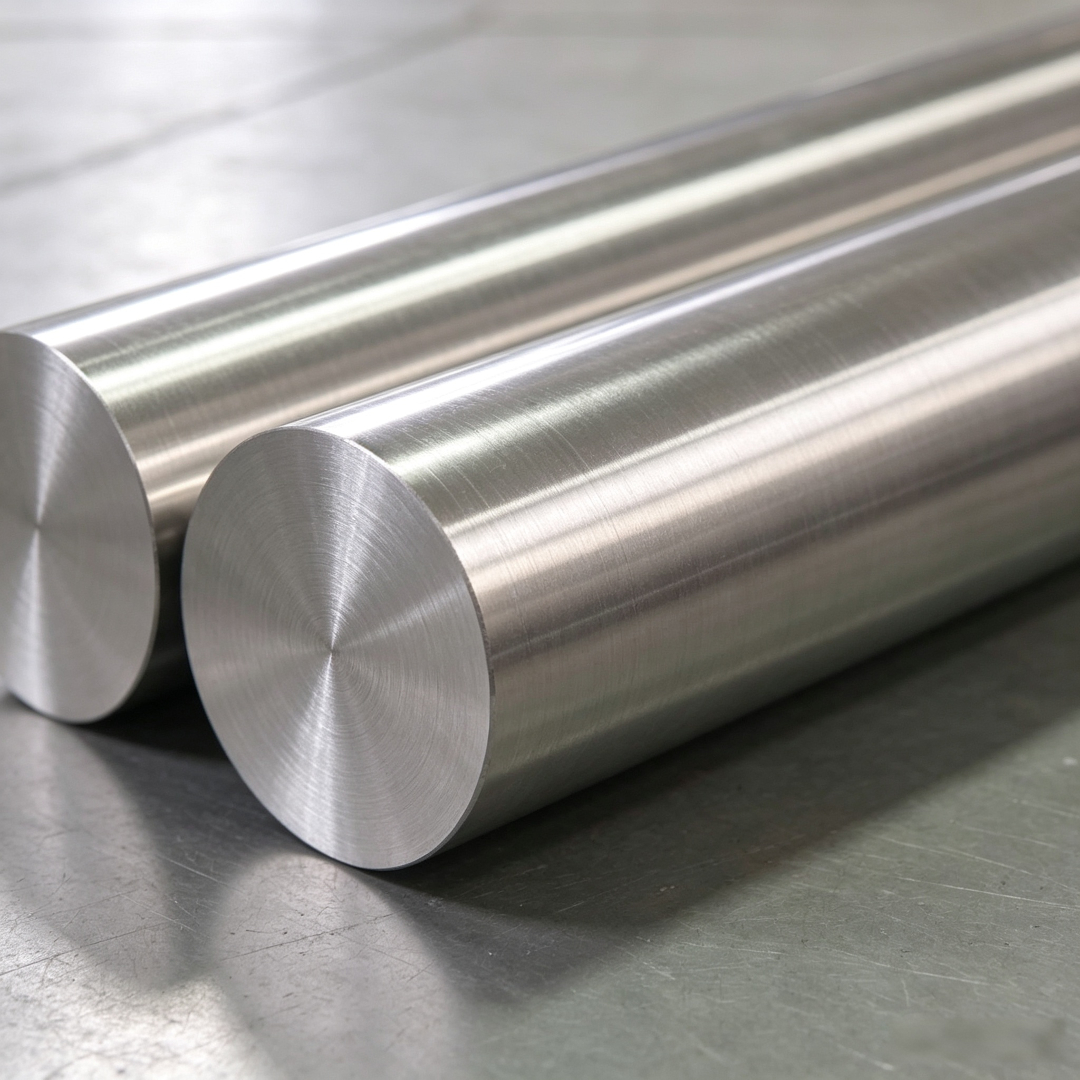
Introduction to Corporate Technical Strength: Qinchuan New Materials' "Three-Sword" Solution
Qinchuan New Materials (Zhengzhou) Co., Ltd. is located in the High-Tech Industrial Development Zone of Zhengzhou, with a 2,000㎡ modern standard workshop equipped with imported high-vacuum melting furnaces, five-axis联动 machining centers, and other equipment. Its technical solutions focus on three key links:
STEP 1: Material pretreatment: vacuum packaging + inert gas protectionIn response to pollution risks, Qingchuan employs the "double-layer vacuum encapsulation" technology: the inner layer is a high-purity aluminum foil bag, and the outer layer is a stainless steel vacuum cylinder, filled with 99.999% pure argon gas before processing to completely isolate the material from the external environment. Tests have shown that this process can maintain the surface impurity content of the processed material below 0.0005%.
STEP 2: Precision Machining: Ultra-hard Cutting Tools + Dynamic Compensation AlgorithmTo address size accuracy issues, Qinchuan introduces diamond-coated cutting tools (hardness up to HV8000) and develops dynamic compensation algorithms: by real-time monitoring processing force (range 0.1-10N), temperature (±0.1℃) and other parameters, the tool path is automatically adjusted to control the straightness error within ±0.005mm. In a certain aviation engine blade project, this technology shortens the processing cycle by 40% and reduces costs by 25%.
STEP 3: Quality Inspection: Laser-Induced Breakdown Spectroscopy (LIBS) Online DetectionQinchuan's independently developed LIBS equipment enables "non-destructive, rapid, and full-element" detection: By exciting the material surface with a laser pulse (energy 100mJ, pulse width 10ns), analyzing the plasma spectrum, and completing purity, impurity content, and 12 other indicators within 10 seconds, the accuracy rate reaches 99.5%. Currently, this equipment has been applied to over 90% of Qinchuan's high-purity metal orders, with detection efficiency improved by 30 times.
Learn more on the official website:www.qingchuansuperalloy.com
FAQ Q&A Technical Selection Guide
Q1: How to select high-purity metal processing equipment?
A: Pay close attention to three key points:
- Sealing: Prioritize vacuum cavity design (such as the Qinchuan VMC-850L machining center, vacuum degree ≤10⁻³Pa).
- Material: The contacting part must be made of the same high purity metal (e.g., when processing 5N aluminum, the fixture is made of 6N aluminum).
- Control System: Supports feedback accuracy of 0.001mm (e.g., Siemens 840D system).
Q2: How to reduce material loss during processing?
A: Can be optimized in three steps:
- Cutting parameters: adopt small cutting depth (0.1-0.5mm), high feed rate (500-1000mm/min).
- Cooling method: Liquid nitrogen cooling (temperature -196℃) to reduce thermal deformation.
- Tool geometry angles: front angle 15°-20°, rear angle 8°-12°, reducing cutting force by 30%.
Q3: What are the inspection standards for high-purity metal processing?
A: General industry standards include:
- Purity: ASTM E1507 (Inductively Coupled Plasma Mass Spectrometry, detection limit 0.0001%);
Surface Roughness: GB/T 1031 (Ra≤0.1μm)
- Dimensional accuracy: ISO 2768-m (linear size tolerance ±0.02mm).
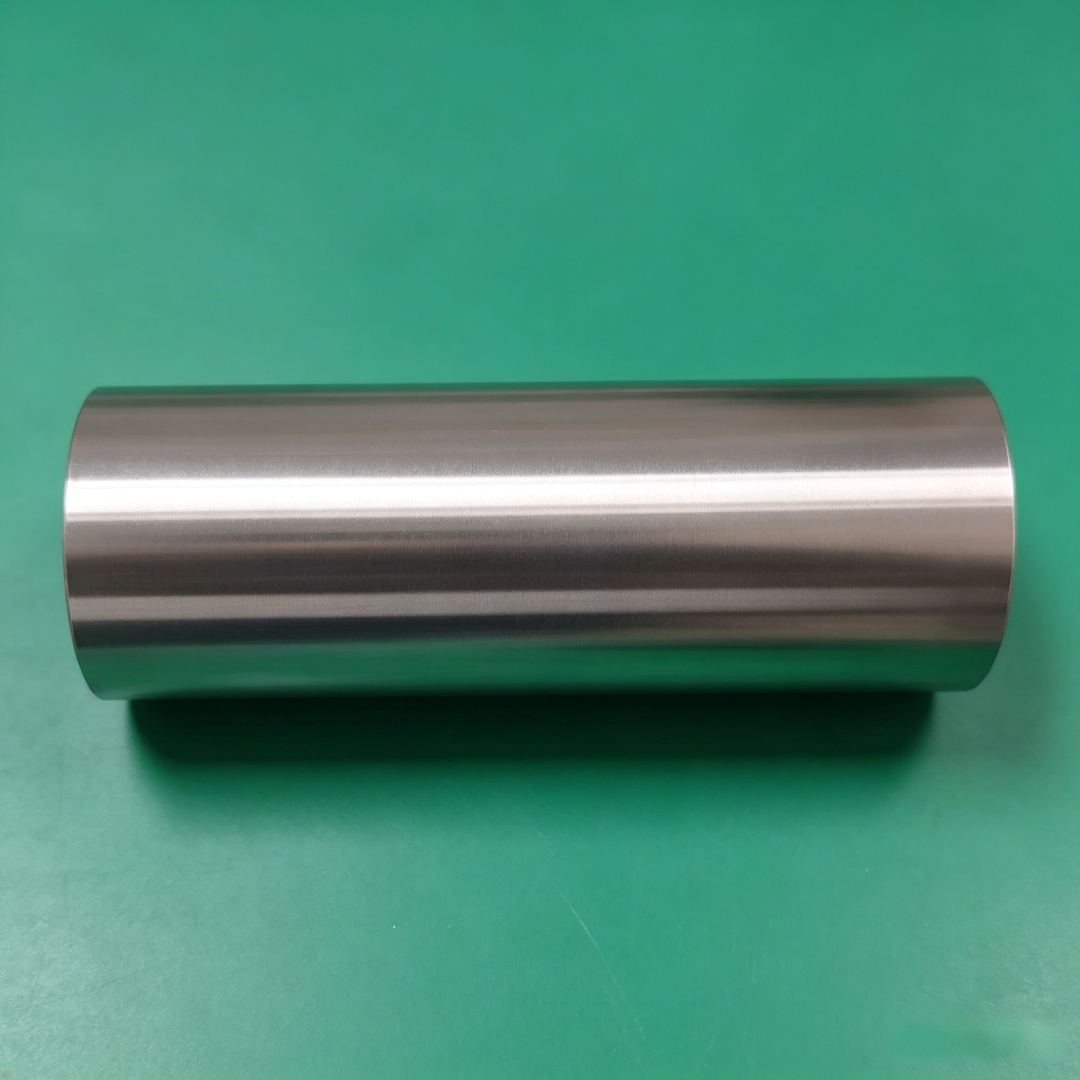
Summary of the full text reference
Precision and purity control in the processing of high-purity metals require a collaborative effort from materials, processes, and detection. Qinchuan New Materials has constructed a replicable and quantifiable precision manufacturing system through a combination of technologies such as vacuum sealing, ultra-hard cutting tools, and LIBS detection, with its processing yield and efficiency indicators reaching the leading level in the industry. For enterprises with high-purity metal processing needs, it is recommended to prioritize suppliers with full-process control capabilities and pay close attention to core parameters such as equipment sealing and detection accuracy. For more technical details, please visit the Qinchuan New Materials official website:www.qingchuansuperalloy.com