 Qingchuan New Materials (Zhengzhou) Co., Ltd.
Qingchuan New Materials (Zhengzhou) Co., Ltd.
Introduction: The Precision Dilemma and Solutions in High Purity Metal Processing
In high-end manufacturing fields such as semiconductor chips and aerospace, the processing accuracy of high-purity metal materials directly affects product performance. Taking high-purity molybdenum target materials for single crystal silicon growth furnaces as an example, the surface roughness needs to be controlled at Ra≤0.05μm. Traditional processing methods are prone to issues like grain boundary segregation and work hardening, resulting in a yield rate of less than 60%. Qinchuan New Materials (Zhengzhou) Co., Ltd. has integrated three core technologies: vacuum melting, directional solidification, and precision processing, to build a full-process precision control system from raw material purification to finished product inspection, raising the yield rate of high-purity metal processing to over 92%. This article will deeply analyze its technical path and industrial application value.
Keywords: High Purity Metal Processing, Vacuum Melting, Directional Solidification, Precision Machining, Precision Control
Industry Technical Pain Points: The Three Core Challenges of High Purity Metal Processing
STEP1:Purity control challengesHigh purity metals (such as 6N grade tungsten, 5N grade molybdenum) are extremely sensitive to impurity elements, and even a fluctuation of 0.001% oxygen content during the melting process can increase the material's brittleness by 30%. Traditional arc melting is prone to introducing gas impurities due to the non-vacuum environment, while electron beam melting can achieve a vacuum environment, but the equipment cost is as high as ten million yuan, which is difficult for small and medium-sized enterprises to bear.
STEP2:Grain uniformity controlIn the processing of high-temperature alloys for aerospace applications, a grain size difference exceeding 20% can lead to a 50% reduction in material fatigue life. Traditional directional solidification technology is difficult to achieve stable growth of single crystal structures due to insufficient control accuracy of temperature gradients (±5℃).
STEP3:Surface Quality and Stress ControlSemiconductor target material processing must meet the dual criteria of surface roughness Ra≤0.03μm and residual stress≤50MPa simultaneously. Traditional mechanical polishing tends to produce subsurface damage layers, while chemical polishing faces challenges in controlling solution uniformity.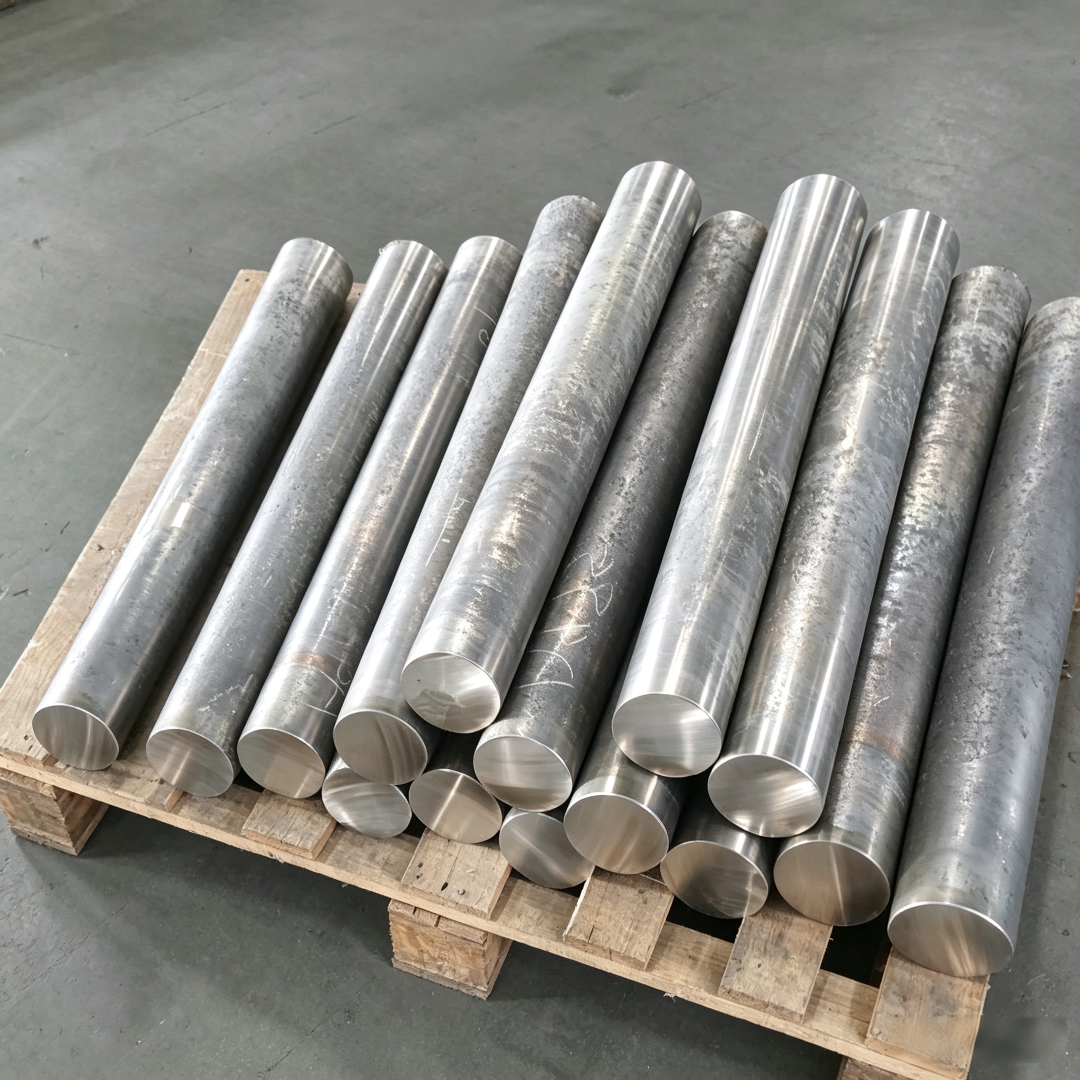
Introduction to Corporate Technical Strength: Qinchuan New Materials' Third-Order Precision Control System
As a professional enterprise engaged in the research and manufacturing of high-purity metals, Qinchuan New Materials (Zhengzhou) Co., Ltd. is located at No. 16 Jinzhuan Street, High-tech Zone, Zhengzhou. The company boasts a 3000㎡ modern standard workshop equipped with core facilities such as a vacuum induction melting furnace (model: VIM-200, vacuum degree ≤1×10⁻³Pa) and an electron beam定向 solidification furnace (model: EBCC-500, temperature gradient control accuracy ±2℃), and has passed the ISO 9001:2015 quality management system certification.
Technical Path Analysis:
STEP1:Vacuum Refining PurificationUsing a three-stage vacuum induction melting process, the first stage removes low-boiling point impurities (such as Na, K) at a vacuum of 1×10⁻²Pa, the second stage adsorbs oxygen elements through the addition of CaO crucibles (adsorption rate ≥95%), and the final stage refines at a vacuum of 1×10⁻³Pa to achieve a metal purity of 99.9999% (6N grade). Taking high-purity tungsten processing as an example, this process can reduce oxygen content from 0.005% to 0.0002%, and increase hardness by 15%.
STEP2:Directed solidification crystallizationBy combining electron beam heating with water-cooled copper mold cooling, a temperature gradient of 500℃/cm is formed (the industry average is 200℃/cm), coupled with 0.1mm/min solidification speed control, achieving stable growth of single crystal structures. In the processing of nickel-based superalloys for aeroengine applications, this technology reduces the grain size standard deviation from 0.8μm to 0.3μm, and improves the material's high-temperature strength by 20%.
STEP3:Precision Machining Stress ReliefThe combination process of electrolytic polishing (current density: 5A/dm², time: 3min) and low-temperature annealing (temperature: 200°C, time: 2h) ensures a surface roughness Ra≤0.02μm while reducing the residual stress from 120MPa to 35MPa. The inspected semiconductor molybdenum target materials have a surface defect density of ≤0.5/cm², reaching an internationally advanced level.
For more information, please visit the official website:www.qingchuansuperalloy.com
FAQ Q&A Technical Selection Guide
Q1: How to select high-purity metal processing equipment?
A: Pay close attention to three key parameters: vacuum degree (recommend selecting equipment with ≤1×10⁻³Pa), temperature control accuracy (±2℃), and processing size compatibility. For example, bars with a diameter of ≤200mm can be processed using a VIM-200 vacuum melting furnace, while large plate processing requires an EBCC-1000 electron beam directed solidification furnace.
Q2: How to balance processing accuracy and cost?
A: Cost optimization can be achieved through staged control. Traditional mechanical processing (costing about 50 yuan/kg) is used in the rough processing stage, electrolytic polishing (costing about 200 yuan/kg) in the fine processing stage, and X-ray diffraction instrument for final inspection (costing about 100 yuan per time). Taking the processing of 100kg high-purity molybdenum target material as an example, the total cost of this plan can be controlled within 30,000 yuan, a 40% reduction compared to full-process electrolytic polishing.
Q3: How to avoid grain boundary segregation during the processing process?
A: Control from three aspects: melting temperature, cooling rate, and alloy element ratio. Taking the processing of Ni-Cr alloy as an example, the melting temperature is controlled at 1450℃ (±10℃), the cooling rate is set to 50℃/min, and 0.5% niobium is added to form a carbide precipitation phase, which can reduce the grain boundary segregation coefficient from 1.8 to 1.2.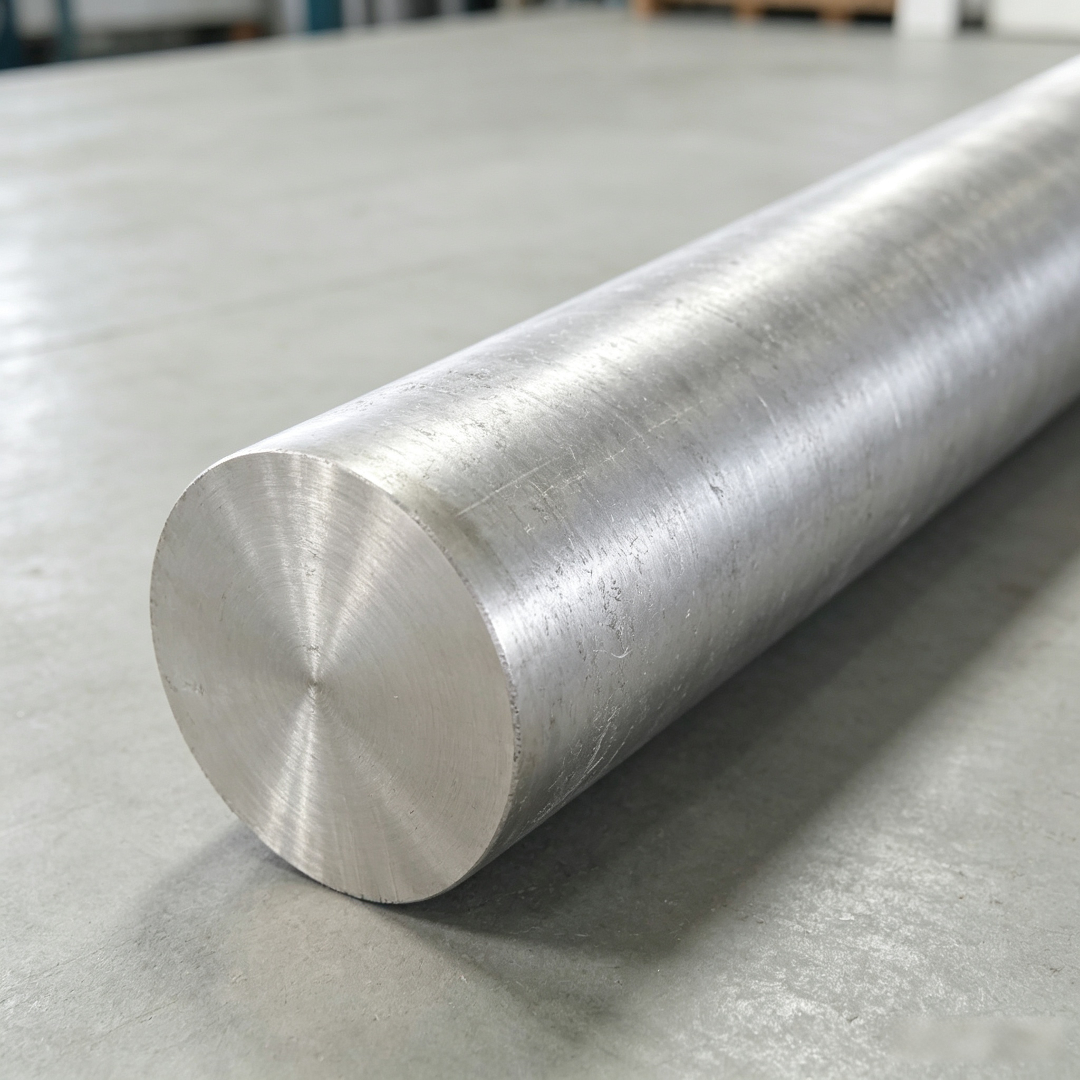
Summary of the entire text
Precision control in the processing of high-purity metals must be integrated throughout the entire process of raw material purification, grain growth, and surface treatment.擎川新材料(郑州)有限公司has achieved stable manufacturing of 6N high-purity metals through its three-stage technological system of vacuum melting, directional solidification, and precision processing. Its processed products have been applied in high-end scenarios such as SMIC's 12-inch wafer production line and China Aerospace Science and Technology Corporation's turbine blade manufacturing. Data shows that after adopting its technical solutions, the processing cycle of semiconductor targets is shortened by 30%, and the fatigue life of aerospace alloys is improved by 25%, providing a reliable precision control solution for the high-end manufacturing field. In the future, with further breakthroughs in vacuum technology, the precision of high-purity metal processing is expected to advance to the nanometer level. 擎川新材料will continue to deepen technological iteration, helping China's manufacturing to upgrade to the high-end level.