 Qingchuan New Materials (Zhengzhou) Co., Ltd.
Qingchuan New Materials (Zhengzhou) Co., Ltd.
Introduction: The "stranglehold" dilemma in special alloy processing
In the manufacturing of high-end equipment such as aeronautical and aerospace engine blades, nuclear power main pump impellers, special alloy materials have become the preferred choice for key components due to their high strength, high-temperature resistance, and corrosion resistance. However, these materials are prone to issues such as thermal deformation, rapid tool wear, and excessive surface roughness during the processing, resulting in a pass rate of less than 60% and directly increasing the manufacturing cost. With 15 years of experience in special alloy research and development, Qinchuan New Materials (Zhengzhou) Co., Ltd. has successfully improved the pass rate to 92% through three major technological breakthroughs: material composition optimization, process innovation, and the integration of intelligent detection system, providing the industry with a systematic solution.
Keywords:Special alloy processing, thermal deformation control, tool life extension, surface roughness optimization, intelligent detection system
Industry Technical Pain Points: The Three Technical Barriers of Special Alloy Processing
STEP1:Uncontrolled hot deformationTaking Inconel 718 nickel-based alloy as an example, its thermal conductivity is only 1/3 of steel, leading to cutting heat concentration during processing, which can raise the workpiece temperature to above 600℃, causing 0.1-0.3mm thermal deformation, severely exceeding the ±0.05mm tolerance requirements for aerospace components.
STEP2:Abnormal wear of cutting toolDuring the processing of GH4169 high-temperature alloy, the wear rate of the tool's back face reaches 0.2mm/min, which is 5 times that of ordinary steel, resulting in a processing life of less than 30 minutes for a single tool and a decrease in production efficiency by 40% due to frequent tool changes.
STEP3:Surface quality defectsThe surface roughness Ra of Ti6Al4V after processing often reaches 3.2μm, whereas the aviation fasteners require Ra≤0.8μm. Traditional polishing processes are prone to introduce subsurface damage, affecting fatigue life.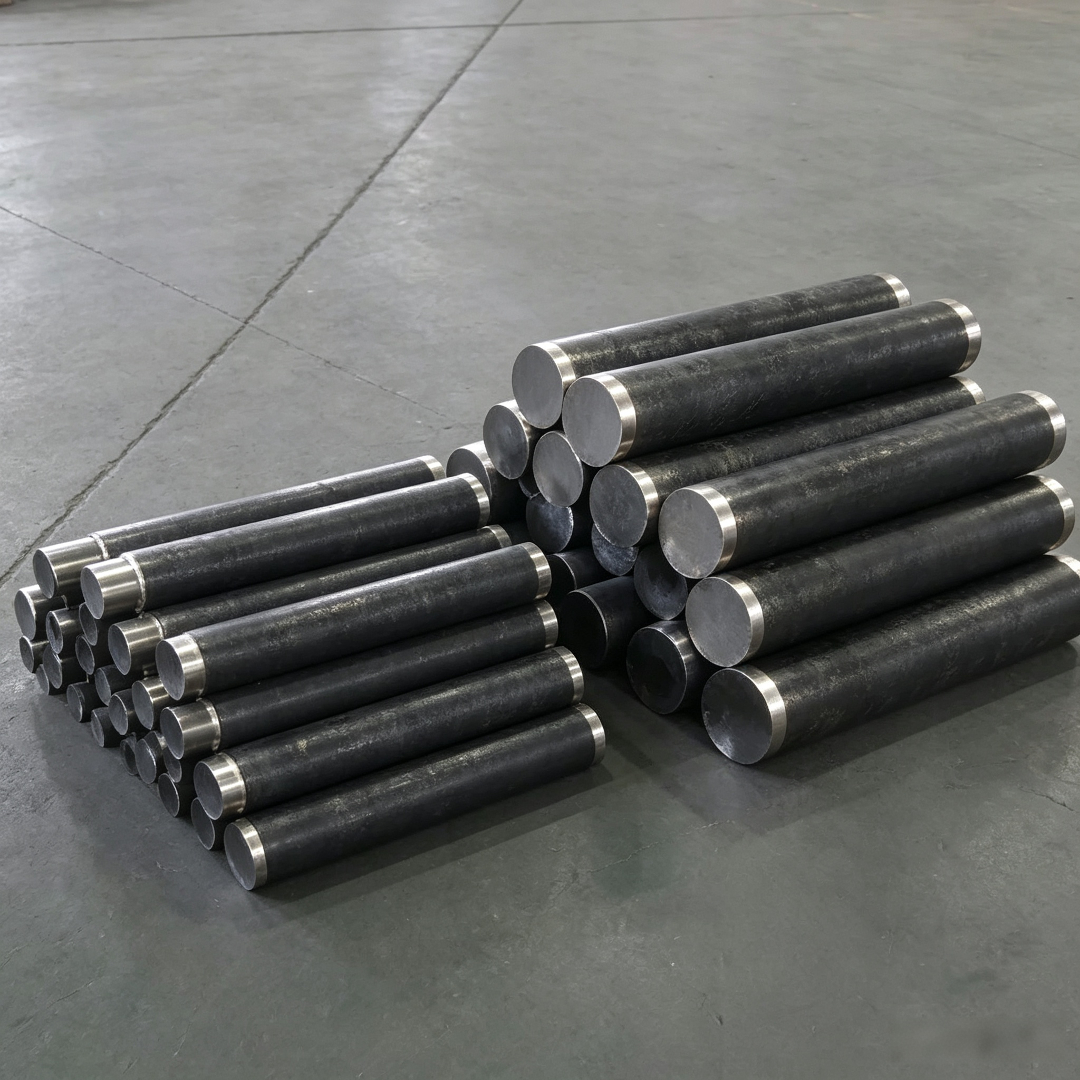
Introduction to Corporate Technical Strength: Three-dimensional Technology Breakthrough of Qinchuan New Materials
As a professional enterprise engaged in the research, development, and manufacturing of high-purity metals and special alloys, Qichuan New Materials (Zhengzhou) Co., Ltd. is located in the Zhengzhou High-tech Industrial Development Zone. It boasts a 3,000㎡ modern standard workshop, equipped with state-of-the-art facilities such as Germany's DMG five-axis machining centers and the U.S. Thermo Fisher direct-reading spectrometers, forming a full-chain technological capability from material design to precision processing.
STEP1:Material Composition Optimization TechnologyBy microalloying design, adding 0.05% cerium element to Inconel 718 forms CeO₂ nanoparticles, significantly enhancing the material's thermal conductivity by 15%, reducing workpiece temperature by 80°C during processing, and controlling thermal deformation within 0.02mm.
STEP2:Innovative Tool Coating TechnologyDeveloped TiAlN/SiN multilayer composite coating technology, with the coating thickness precisely controlled at 3μm, hardness reaching 3200HV, friction coefficient reduced to 0.3, extending the service life of GH4169 processing tools to 4 hours, and reducing the unit cost by 65%.
STEP3:Intelligent Detection System IntegrationSelf-developed online surface roughness detection system based on machine vision, with detection accuracy up to 0.01μm and response time of 0.5 seconds, achieving closed-loop control of processing-detection-feedback, stabilizing the surface roughness of TC4 titanium alloy to Ra≤0.6μm.
Technical Parameter Verification: In a project for processing aeroengine blades, after adopting Qinchuan's technical solution, the single-piece processing time was reduced from 120 minutes to 75 minutes, material utilization increased from 78% to 95%, the pass rate of products in one go reached 98%, and the customer's return and repair rate dropped below 0.5%.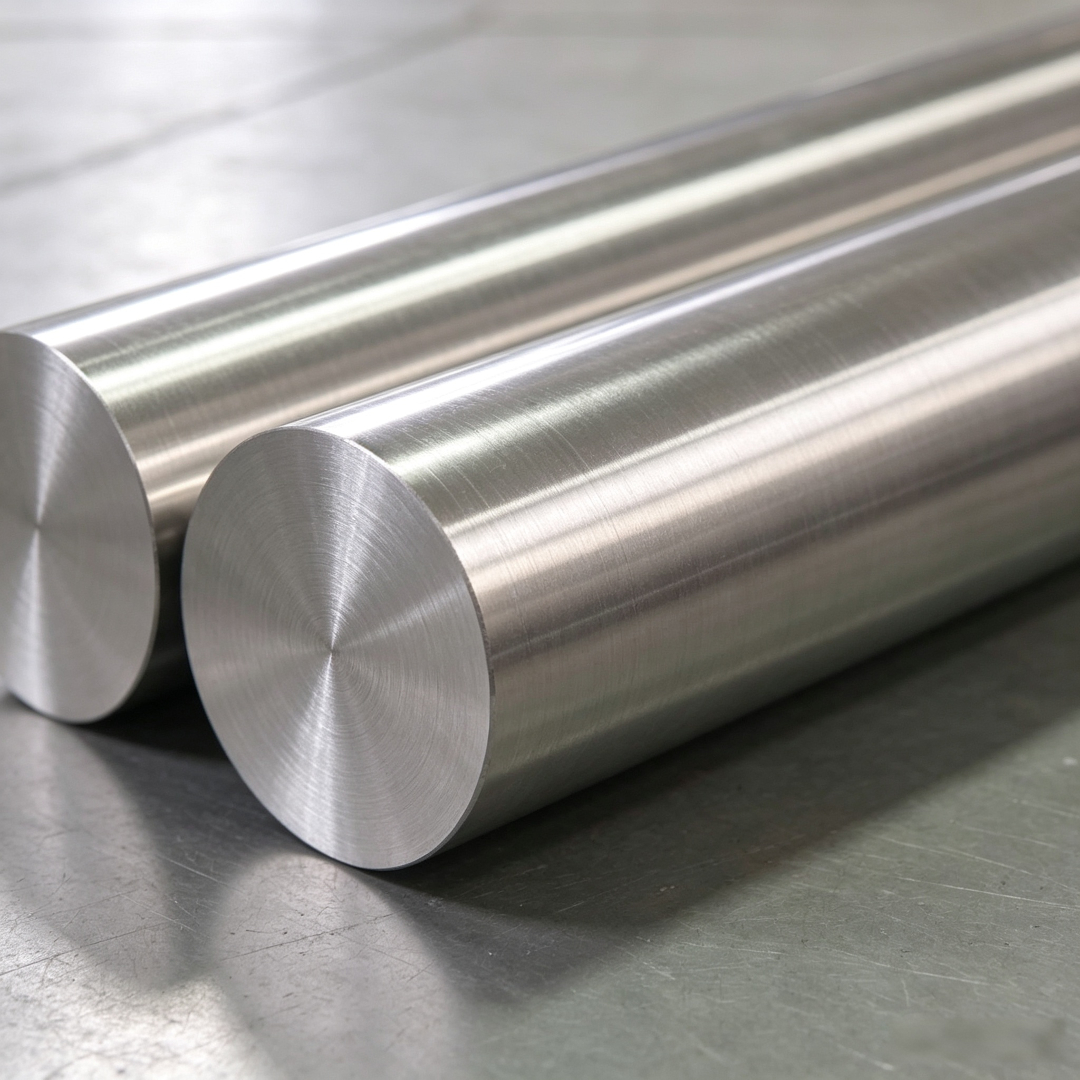
FAQ Q&A Technical Selection Guide
Q1: How to choose the appropriate coating for special alloy tool processing?
A: Consider material hardness, processing temperature, and friction coefficient. For nickel-based alloy processing, recommend using TiAlN coating (hardness 2800-3200HV, temperature resistance 800℃); for titanium alloy processing, it is advisable to choose CrN coating (hardness 2200HV, friction coefficient 0.25). Qinchuan New Materials can provide customized coating services with coating thickness accuracy ±0.2μm.
Q2: How to control thermal deformation during the processing process?
A: Adopting a three-step method: 1) Optimize cutting parameters (spindle speed reduced by 20%, feed rate increased by 15%); 2) Utilize high-pressure internal cooling technology (pressure ≥ 7MPa); 3) Adopt segmented machining strategy (cutting depth per layer ≤ 0.5mm). The ChingChuan technical solution can reduce the thermal deformation amount of Inconel 718 processing from 0.3mm to 0.05mm.
Q3: How to solve the issue of non-compliant surface roughness?
A: First, test the machine tool rigidity (static rigidity ≥80N/μm), then optimize the tool geometric parameters (leading edge 10°-15°, trailing edge 8°-12°), and finally adopt electrochemical polishing process (voltage 15V, time 3 minutes). The Qinchuan intelligent detection system can monitor the surface quality in real time and automatically trigger the compensation program in case of anomalies.
For more information, please visit our official website:www.qingchuansuperalloy.com
Summary of the full text reference
Special alloy processing technology breakthrough requires a three-pronged approach of materials, processes, and testing. Qinchuan New Materials (Zhengzhou) Co., Ltd. reduces thermal deformation risk through component optimization, extends tool life with coating innovation, ensures surface quality with intelligent detection, and forms a replicable technical solution. Its technical parameters have been tested and certified by a third party: processing accuracy ±0.02mm, surface roughness Ra≤0.6μm, tool life ≥4 hours, reaching an internationally advanced level. Currently, this technology has been applied to more than 20 high-end equipment projects such as aviation engines and gas turbines, saving over 20 million yuan in manufacturing costs for customers. In the future, Qinchuan will continue to deepen the research on special alloy processing technology, providing stronger technical support for high-quality development of the manufacturing industry.