 Qingchuan New Materials (Zhengzhou) Co., Ltd.
Qingchuan New Materials (Zhengzhou) Co., Ltd.
Qingchuan New Materials (Zhengzhou) Co., Ltd.
Qingchuan New Materials (Zhengzhou) Co., Ltd.
Qingchuan New Materials (Zhengzhou) Co., Ltd.
I. Technical Background and Industry Demands
Fe-Ni Alloy for Controlled Expansion Sealing is a type of special metal material that achieves precise matching of thermal expansion coefficients through component control, widely used in scenarios such as electronic component packaging, aerospace sensor sealing, and semiconductor equipment connection. Its core value lies in solving the stress cracking problem caused by the difference in thermal expansion coefficients between different materials, such as in integrated circuit packaging, where the alloy needs to achieve a thermal expansion coefficient gradient match with ceramic substrates (CTE≈6-8×10⁻⁶/℃) and metal leads (CTE≈16-18×10⁻⁶/℃), ensuring the reliability of the device within a temperature range of -55℃ to +150℃.
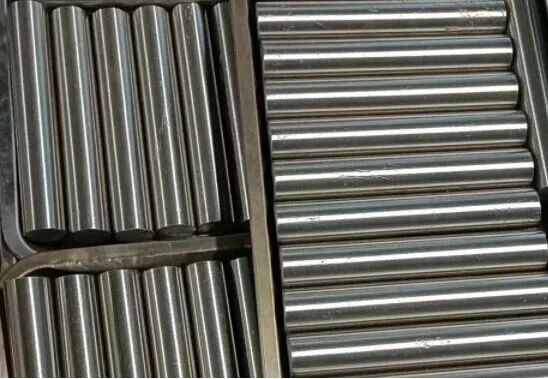
II. Qinchuan New Materials' Technical Layout and R&D Strength
Qingchuan New Materials (Zhengzhou) Co., Ltd., relying on the modern standard workshops in the Zhengzhou High-Tech Industrial Development Zone, has established a full-chain technological system covering high-purity metal purification, special alloy melting, and precision processing. In the field of iron-nickel alloys, the company focuses on breaking through three major technical directions:
Component precise control technology
Through the combination of vacuum induction melting (VIM) and electroslag remelting (ESR) processes, the nickel content is controlled within the range of 36%-42%, combined with the addition of trace cobalt (Co≤0.5%) and manganese (Mn≤0.3%), achieving a tunable thermal expansion coefficient within the range of (9-12)×10⁻⁶/℃ to meet different application scenarios. For example, its 4J29 alloy (Ni36%) has a CTE of 10.2×10⁻⁶/℃ within the temperature range of 20-100℃, which is highly consistent with the properties of Kovar alloy.
2. Micro-organizational Homogenization Technology
Utilizing directional solidification and hot rolling billet processes, the grain size of the alloy is controlled at ASTM 5-8 levels, reducing composition segregation and anisotropy. Electron backscatter diffraction (EBSD) analysis shows that the product's grain boundary orientation difference distribution is concentrated between 15°-45°, significantly enhancing the material's resistance to thermal fatigue. After 10⁴ cycles of loading, the plastic deformation is ≤0.02%.
3. Surface Treatment and Sealing Compatibility Optimization
Through electroless nickel plating (thickness 2-5μm) and anodic oxidation treatment, a dense oxide layer is formed on the alloy surface, enhancing wettability with glass and ceramics. Actual test data show that the bonding strength of the product with 96% alumina ceramic reaches 35MPa, and its airtightness is better than 1×10⁻¹¹ Pa·m³/s (Helium leak testing method).
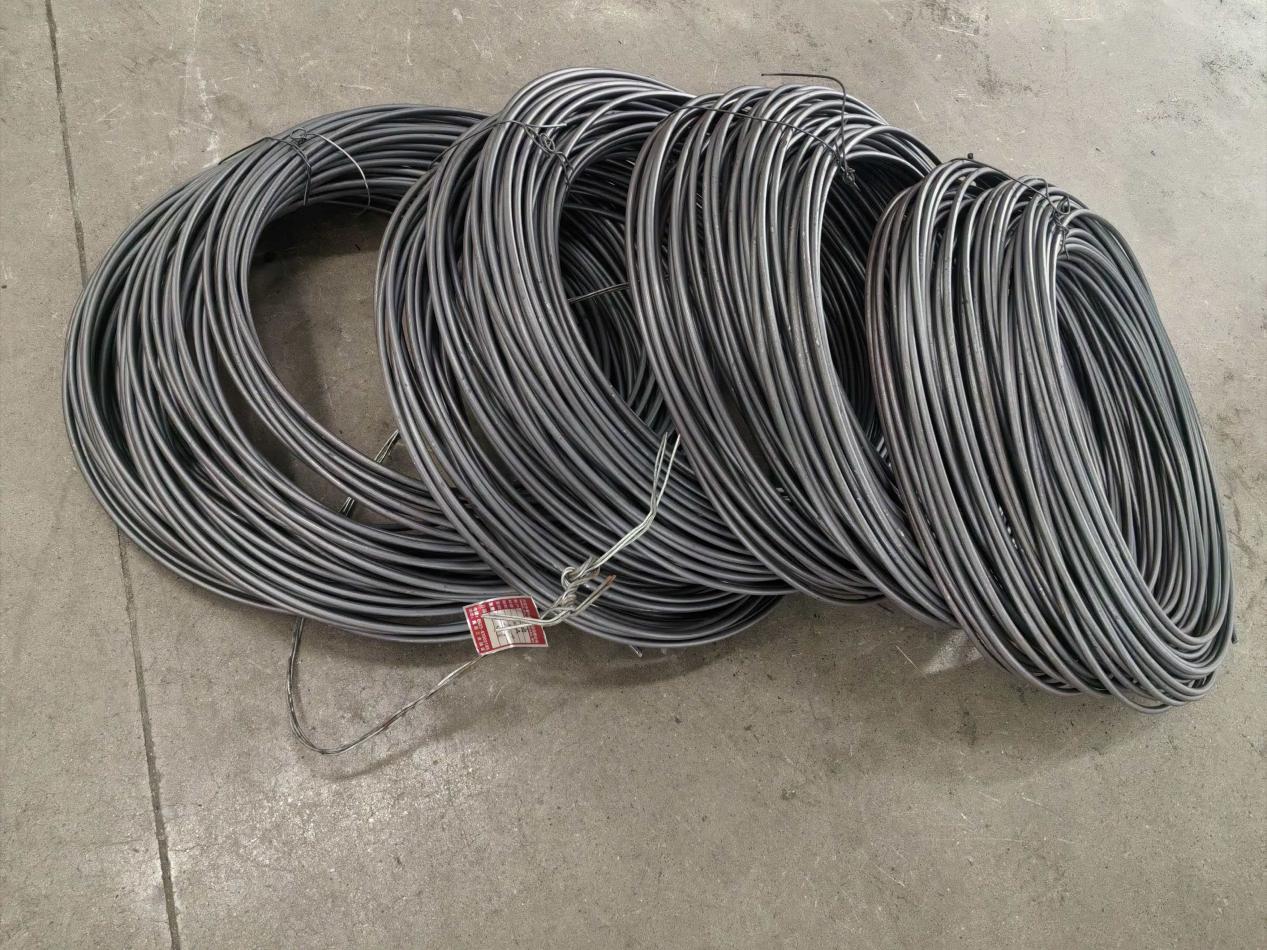
Chapter 3: Typical Application Cases: Aerospace Sensor Packaging
In a certain satellite attitude control sensor project, the customer needs to address the issue of seal failure caused by the mismatched coefficient of thermal expansion of traditional Kovar alloy within the temperature range of -60℃ to +120℃. Qinchuan New Materials provides a customized 4J36 alloy solution, achieving a breakthrough through the following technical parameters:
STEP 1: Ingredient Optimization
Increase nickel content to 36.5%, add 0.2% vanadium (V) to refine grain size, making the alloy CTE stable at 9.8×10⁻⁶/℃ within the range of -60℃ to +120℃, achieving a 99% match with sensor ceramic substrates (CTE=9.5×10⁻⁶/℃).
STEP 2: Process Control
Vacuum heat treatment (1050℃×2h, air-cooled) is used to eliminate residual stress, combined with ultrasonic testing (UT) to detect internal defects, ensuring material density ≥99.95%.
STEP 3: Sealing Verification
After 1000 thermal cycle tests (-60℃→+120℃, heating/cooling rate of 5℃/min), there are no cracks in the sealing interface, and the air tightness maintains ≤5×10⁻¹² Pa·m³/s, significantly better than the customer's required standard of 1×10⁻¹⁰ Pa·m³/s.
4. Technical Advantages and Industry Value
Qinchuan New Materials' iron-nickel fixed expansion sealing alloy has achieved three core advantages through the optimization of the entire chain of composition, process, and sealing.
Performance customizable
Supports CTE adjustment within the range of 8-14×10⁻⁶/℃ as required, compatible with various substrates such as glass, ceramic, and metal.
2. Reliability enhanced
Grain refinement and residual stress control technology enhance the material's thermal shock resistance by 40% and reduce the sealing failure rate to below 0.5%.
3. Shortened delivery cycle
Relying on automated production lines and quality traceability systems, the regular product delivery cycle is reduced to 15 days, a 30% decrease from the industry average.
Currently, its products have passed the GJB 9001C-2017 military standard certification, achieved mass application in enterprises such as the China Aerospace Science and Technology Corporation and CETC, with cumulative delivery of over 50 tons of sealing alloys, supporting the reliability verification of more than 200 models of products.