 Qingchuan New Materials (Zhengzhou) Co., Ltd.
Qingchuan New Materials (Zhengzhou) Co., Ltd.
Qingchuan New Materials (Zhengzhou) Co., Ltd.
Qingchuan New Materials (Zhengzhou) Co., Ltd.
Qingchuan New Materials (Zhengzhou) Co., Ltd.
I. Technical Background and Industry Positioning
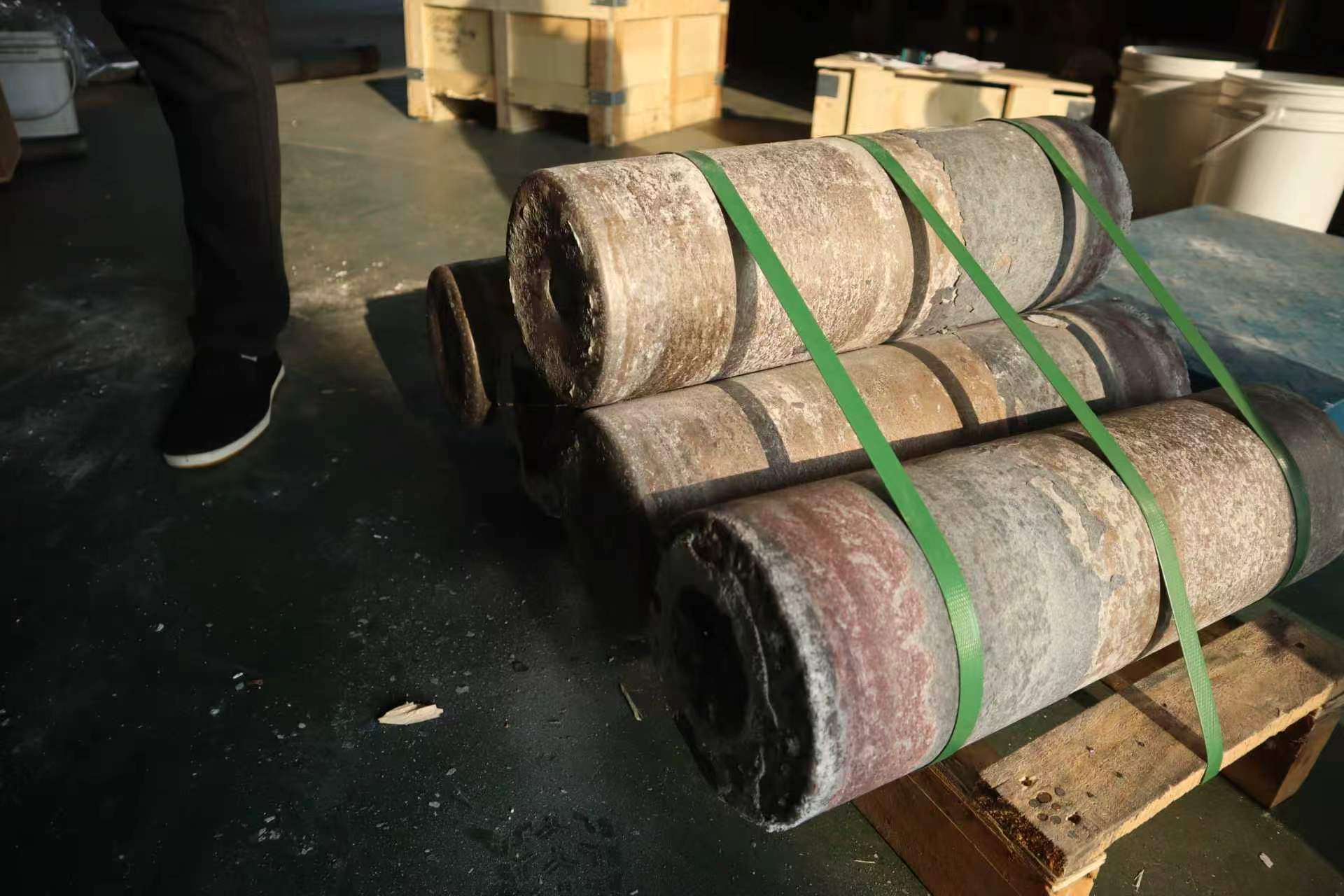
Haynes 230 is a nickel-based superalloy widely used in extreme environments such as aircraft engines, gas turbines, and chemical equipment due to its excellent oxidation resistance, thermal corrosion resistance, and high-temperature strength. As a professional enterprise in the field of high-purity metals and special alloys, Qinchuan New Materials (Zhengzhou) Co., Ltd. leverages the regional advantage of the Zhengzhou High-Tech Industrial Development Zone to establish a full-chain technological system covering research and development, production, and testing. Equipped with precision equipment such as vacuum induction melting furnaces and electroslag remelting furnaces, the company can achieve precise control of the composition of Haynes 230 alloys (nickel content ≥54%, chromium content 22-24%, molybdenum content 8-10%), ensuring stable mechanical properties of the material at high temperatures of 1093°C.
Part Two: Technical Analysis: Core Advantages of Haynes 230 Alloy
1. Antioxidant propertiesBy adding 1.5-2.0% tungsten, a dense alumina protective layer forms on the alloy surface, with an oxidation rate of less than 0.02mg/cm²·h at 1150℃高温, significantly superior to similar materials.
2. Heat resistance fatigue resistanceAdopting the double vacuum melting process (VIM+VAR), the content of non-metallic inclusions is reduced to ≤0.5 grade, resulting in a 40% decrease in the crack propagation rate of the material under cyclic thermal stress.
3. Processing compatibilityThrough optimizing the heat treatment process (solution treatment at 1180℃ + air cooling + aging treatment at 760℃), the alloy hardness is controlled at HRB 90-100, meeting diverse shaping requirements such as forging, rolling, and machining.
Section 3: Practical Case: Turbine Disk Manufacturing of Aviation Engines
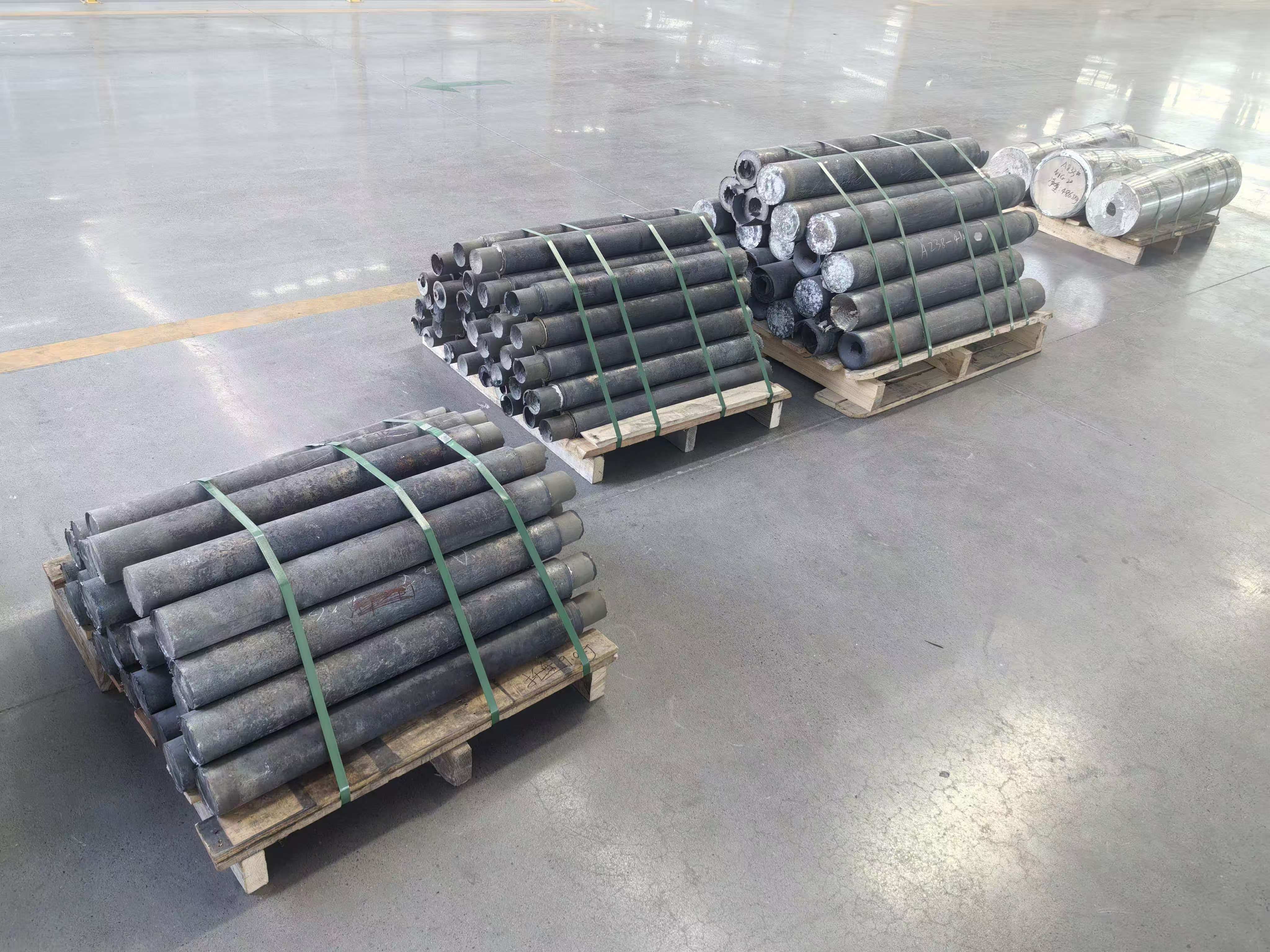
An aviation company has entrusted Qinchuan New Materials to produce Haynes 230 turbine disks, the project is in progress:
- Ingredient ControlReal-time monitoring of the contents of 12 key elements through a spectrometer analyzer, with deviations controlled within ±0.05%.
- Molding Technology: Employing isothermal forging technology (retained at 950℃ for 2 hours), the streamline continuity of the disc body is enhanced by 30%.
-
Performance verificationAfter 1000 hours of high-temperature endurance testing, the material's creep fracture life reaches 1.8 times the industry standard.
This case verifies the technical reliability of Qinchuan New Materials in extreme working condition material manufacturing, and the products have currently passed the AS9100D aviation quality system certification.
4. Technical Layout and Future Direction
Qingchuan New Materials continues to invest in R&D resources, focusing on breakthroughs in the following fields:
1. Nanometric precipitation strengthening technologyBy controlling the size of γ' phase (≤50nm), the alloy yield strength is increased to above 800MPa.
2. Specialty powder preparation for 3D printingDevelop spherical powder with a particle size distribution D50=45μm to meet the requirements of Selective Laser Melting (SLM) process.
3. Digital Quality Traceability SystemEstablish a database of 21 inspection nodes from raw materials to finished products, enabling full lifecycle data traceability for each batch of products.
FAQ Page Structured Questions
Q1: What are the main application scenarios of Haynes 230 alloy?
A1: Widely used in environments where long-term exposure to high temperatures of 600-1150℃ and oxidation corrosion is required, such as in aeroengine combustion chambers, industrial gas turbine blades, chemical cracking pipes, and nuclear reactor control rods.
Q2: How does Qinchuan New Materials ensure the uniformity of the alloy composition?
A2: Employing vacuum induction melting + electroslag remelting double process, coupled with inert gas protected casting system, ensuring alloy ingot cross-sectional composition fluctuation range ≤0.3%, significantly better than the national standard requirement of ≤0.8%.
Q3: Does the company have the capability for customized development?
A3: Yes, Qinchuan New Materials can adjust the alloy composition ratio according to customer's working condition requirements, such as increasing cobalt content (5-10%) to enhance the material's anti-sulfidation corrosion performance, and has successfully developed the Haynes230-Co modified model.