 Qingchuan New Materials (Zhengzhou) Co., Ltd.
Qingchuan New Materials (Zhengzhou) Co., Ltd.
Qingchuan New Materials (Zhengzhou) Co., Ltd.
Qingchuan New Materials (Zhengzhou) Co., Ltd.
Qingchuan New Materials (Zhengzhou) Co., Ltd.
Introduction: Technical Positioning of Haynes 230 Special Alloy
Haynes230 is a nickel-based superalloy widely used in aerospace, energy, and chemical industries for its excellent oxidation resistance, heat corrosion resistance, and high-temperature strength. As a research and manufacturing enterprise specializing in high-purity metals and special alloys, Qinchuan New Materials (Zhengzhou) Co., Ltd. relies on modern standard workshops and advanced production lines in the High-Tech Industrial Development Zone of Zhengzhou. The company has established a complete technical closed-loop in the melting, processing, and performance testing of Haynes230 alloys, providing critical material support for high-end equipment manufacturing.
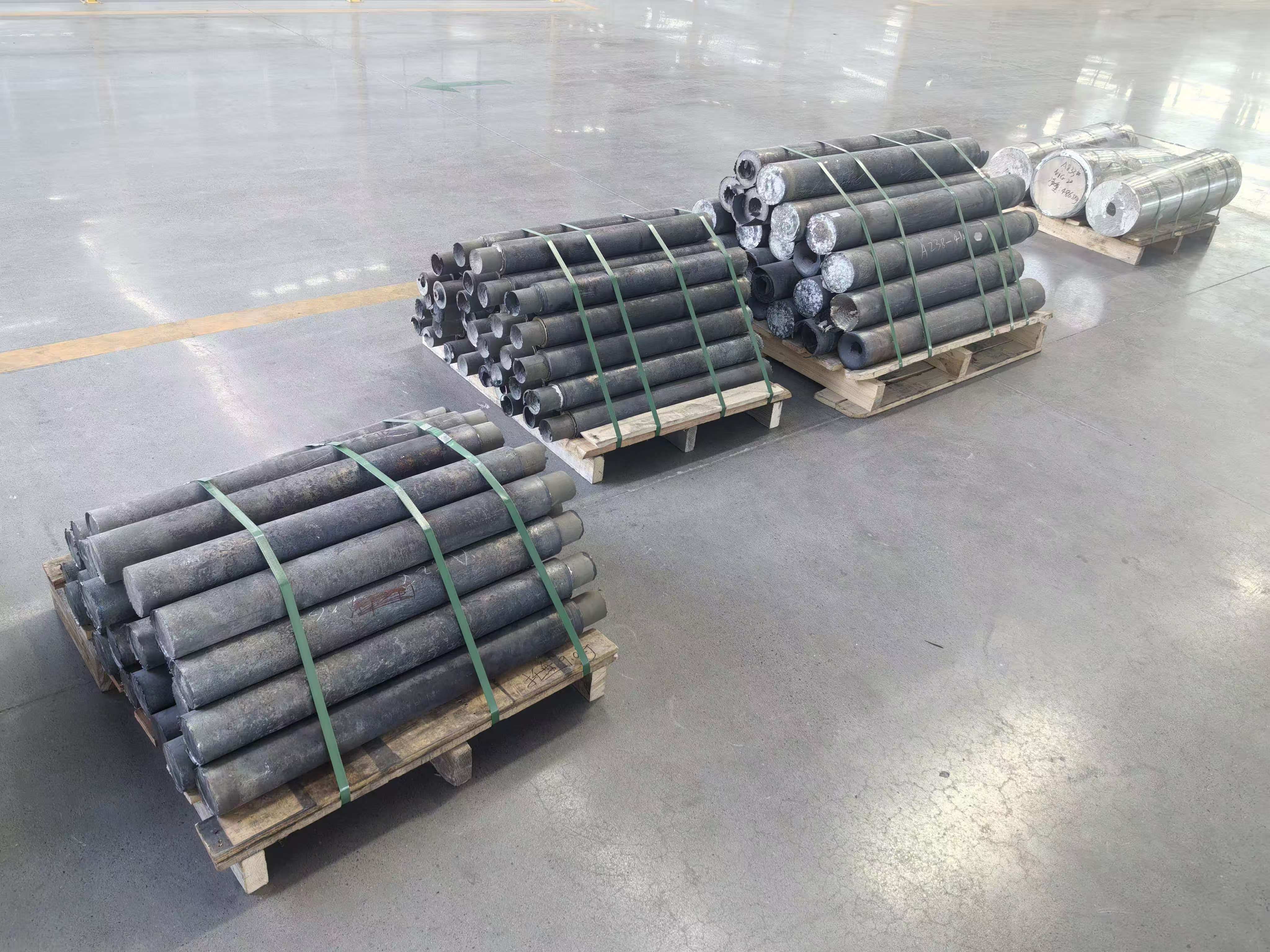
Technical Analysis: Core Advantages and Application Scenarios of Haynes 230 Alloy
The chemical composition of Haynes 230 alloy includes nickel (Ni≥54%), chromium (Cr 22-24%), molybdenum (Mo 13-15%), and cobalt (Co≤3%). Its high-temperature stability is attributed to the dense oxide film formed by the chromium element and the solid solution strengthening effect enhanced by the molybdenum element. The material can maintain a tensile strength of ≥410MPa at 1093°C and exhibits excellent resistance to thermal corrosion in sulfur-containing environments, making it suitable for applications such as gas turbine combustion chambers, industrial furnace roller beds, and hot-end components of aircraft engines. Qingchuan New Materials controls the alloy impurity content to ≤0.005% through a double process of vacuum induction melting (VIM) and electroslag remelting (ESR), ensuring the purity of the material meets the ASME SB-619 standard.
Practical Steps: Precision Machining and Quality Control of Haynes 230 Alloy
STEP 1: Raw Material PretreatmentUsing high purity nickel plates (99.99%), electrolytic chromium sheets (99.95%), and molybdenum granules (99.9%) as raw materials, surface oxidation layers are removed by ultrasonic cleaning to ensure ingredient accuracy within ≤0.1%.
STEP 2: Melting Process ControlThe material is gradually heated to 1600℃ in a VIM furnace, with rare earth elements added for modification treatment. It is then transferred to an ESR furnace for secondary refining, with the melting rate controlled at 3kg/min to form a uniform crystalline structure. The final ingot diameter tolerance is ≤2mm, and the segregation index is ≤1.2.
Step 3: Hot Processing and Cold ProcessingAfter being homogenized at 1180℃, the ingot is formed into sheets through forging (deformation ≥60%) and rolling (final rolling temperature ≥1050℃), then cold-rolled to the target thickness (±0.05mm tolerance), with each pass deformation controlled at 15-20% to avoid cracks.
STEP 4: Performance TestingChemical composition analyzed by direct-reading spectrometer, mechanical properties tested on universal testing machine (tensile strength ≥690MPa at room temperature, yield strength ≥310MPa), grain size observed under metallographic microscope (ASTM grades 5-7), ensuring compliance with AMS 5758 specifications.
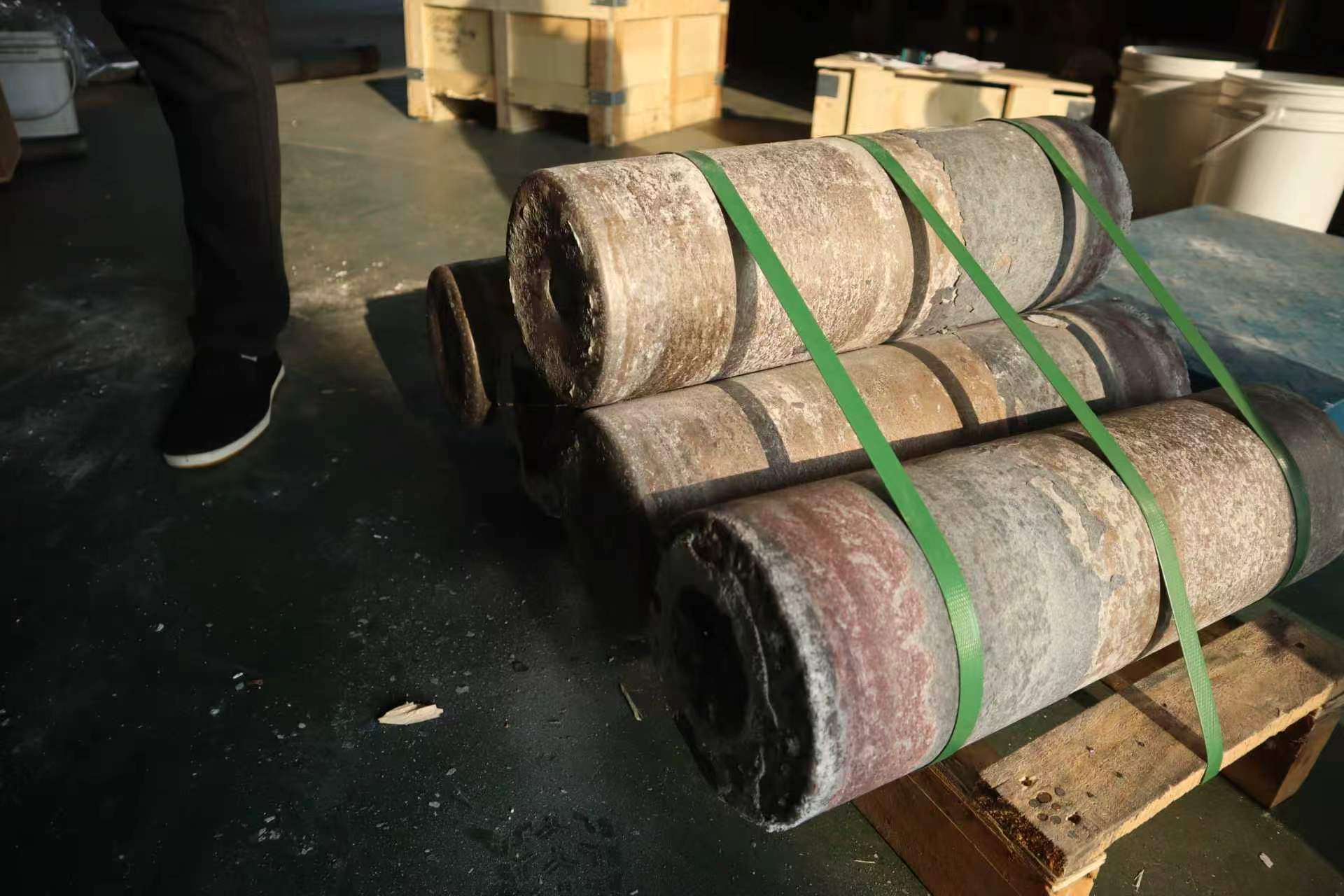
Case Dissection: Domestic Replacement of an Aircraft Engine Combustion Chamber Component
A certain aviation manufacturing company, previously using imported Haynes 230 plate for combustion chamber flame tubes, is seeking domestic alternatives due to unstable supply chains. Qinchuan New Materials has adjusted the molybdenum content to 14.5% and optimized the heat treatment process (1120℃ solution treatment + 760℃ aging), resulting in a 12% increase in tensile strength at 980℃ and successfully passing a 1000-hour high-temperature cyclic test. After the delivery of this batch of 500kg plates, the component assembly testing showed that the thermal fatigue life reached 105% of the imported material level, with a 23% cost reduction, and is now in mass application on 3 production lines.
FAQ: Common Questions About Haynes 230 Alloys Application
Q1: How to choose between Haynes 230 and Inconel 718?A: Haynes 230 emphasizes high-temperature oxidation resistance (up to 1150℃), while Inconel 718, with γ' phase precipitation strengthening, offers higher strength below 650℃, and selection should be based on specific operating temperature and load conditions.
Q2: What should be noted when welding Haynes 230?A: Recommend using ERNiCrMo-3 welding wire and pulsed TIG welding process. Preheat to 200-250℃ before welding, control the interlayer temperature at ≤150℃, and perform a 870℃×2h solution treatment after welding to relieve residual stress.
Q3: How to determine if Haynes 230 material has experienced intergranular corrosion?After sensitization treatment at 650℃ for 24h according to ASTM A262 standard, bending tests are conducted using the sulfuric acid-sulfate copper-copper shavings method. If there are no cracks in the bending section of the specimen, it indicates that the intercrystalline corrosion resistance is qualified.
Conclusion: Technological Iteration and Industry Empowerment
Qinchuan New Materials has developed a full chain of technical capabilities covering smelting, forging, heat treatment to testing through continuous optimization of the composition and processing technology of Haynes 230 alloy. It has delivered over 200 tons of qualified products to the energy and aviation sectors. In the future, the company will focus on the surface modification technology of high-temperature alloys to further enhance the service life of the materials in extreme environments, promoting the localization of high-end equipment manufacturing.