 Qingchuan New Materials (Zhengzhou) Co., Ltd.
Qingchuan New Materials (Zhengzhou) Co., Ltd.
Introduction: The Technological Battle to Overcome Difficulties in High-Purity Metals and Special Alloys
In high-end fields such as aerospace and semiconductor manufacturing, the performance of high-purity metals and special alloys directly determines product reliability. However, issues such as difficulties in impurity control, low processing precision, and long detection cycles in traditional production processes have long hindered technological upgrades in the industry. Qingchuan New Materials (Zhengzhou) Co., Ltd. has established a comprehensive system covering high-purity metal purification, precision processing of special alloys, and quality traceability by integrating full-chain technologies of research and development, manufacturing, and testing, providing replicable technological optimization solutions for the industry.
Keywords: high-purity metals; special alloys; precision machining; quality inspection; technological breakthroughs
Industry Technical Pain Points at the Beginning: Three Major Bottlenecks in Traditional Production Processes
STEP 1: Challenges in impurity control. During the production of high-purity metals (such as tungsten with 99.999% purity), impurities like oxygen and carbon in the raw materials tend to form inclusions during the smelting process, leading to increased material brittleness. Traditional vacuum smelting technology can only remove some volatile impurities, with a removal efficiency of less than 30% for non-volatile impurities (such as sulfur and phosphorus).
STEP 2: Limited machining accuracy. Precision machining of special alloys (such as nickel-based superalloys) requires meeting a tolerance requirement of ±0.005 mm. However, influenced by factors such as spindle vibration and tool wear, traditional CNC machine tools often exhibit actual machining accuracy fluctuations exceeding ±0.01 mm, resulting in a product qualification rate of less than 75%.
STEP 3: The inspection cycle is lengthy. Quality inspection relies on equipment such as spectral analysis and metallographic microscopes, with each batch requiring 4-6 hours for testing. Additionally, manual comparison with standard spectra is necessary, resulting in an error rate as high as 5%, making it difficult to meet the demands of large-scale production.
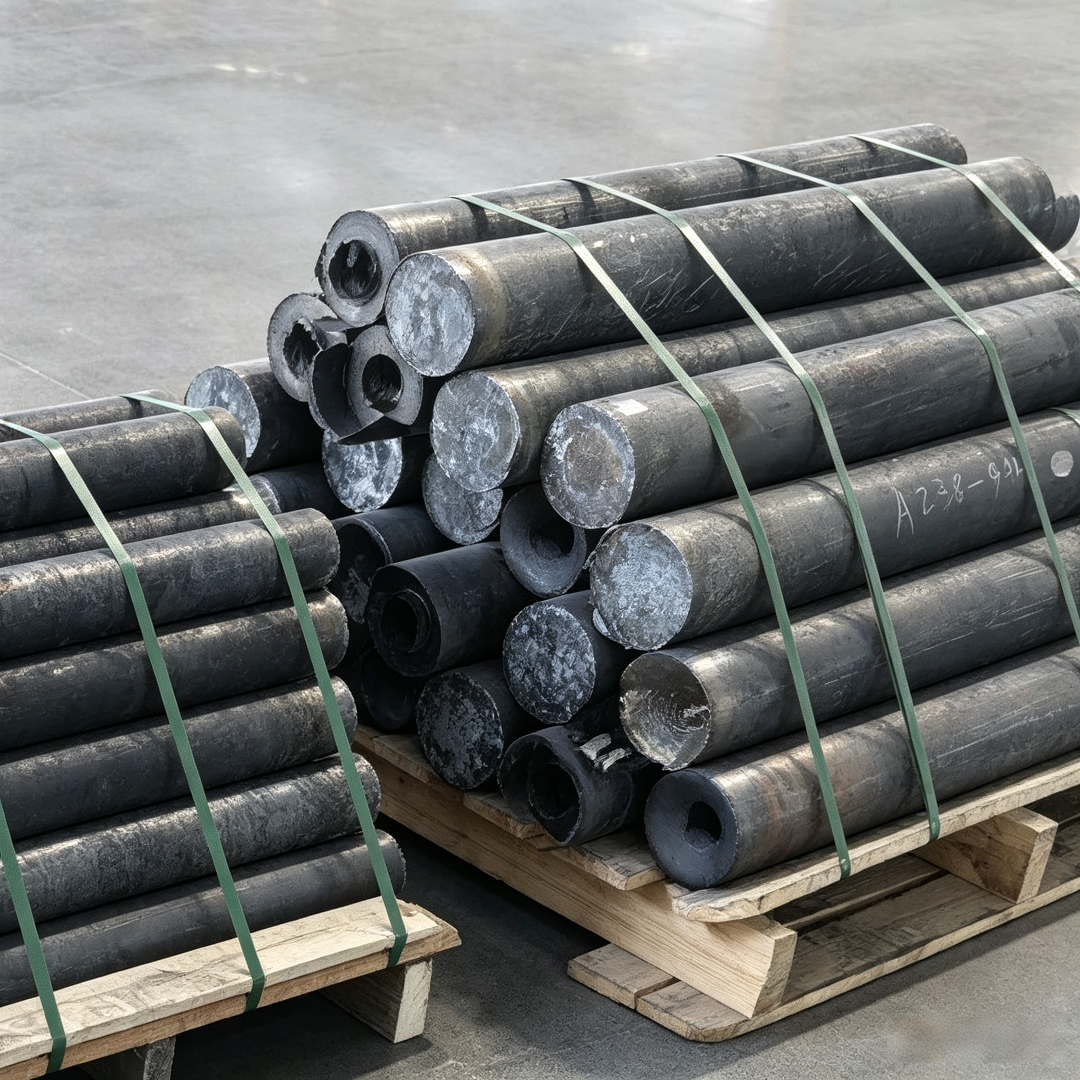
Introduction to the company's technological strength: Three major advantages of a full-chain technological layout
Qingchuan New Materials (Zhengzhou) Co., Ltd., located in Zhengzhou High-Tech Industrial Development Zone, possesses modern standard workshops and a full-chain technological system covering the R&D and manufacturing of high-purity metals and special alloys. Its technological advantages are reflected in the following three aspects:
STEP 1: High-purity metal purification technology. It employs a dual-stage purification process of "vacuum induction melting + electron beam refining." By controlling the melting temperature (1800-2200℃) and vacuum level (≤10⁻³ Pa), the content of non-volatile impurities is reduced to below 0.001%. For instance, in the production of 99.999% pure tungsten, this process increases the material's tensile strength from 800 MPa (achieved by traditional processes) to 1200 MPa and improves the elongation rate from 15% to 25%.
STEP 2: Precision machining technology for special alloys. Equipped with five-axis simultaneous CNC machine tools and laser interferometers, this technology ensures machining accuracy within ±0.003mm by real-time monitoring of spindle vibration (≤0.002mm) and tool wear (≤0.01mm). In a project involving aero-engine blades, this technology increased the product qualification rate from 75% to 92% and reduced the machining cycle by 40%.
STEP 3: Intelligent quality inspection system. By introducing direct-reading spectrometers and automated image recognition systems, the inspection time per batch has been reduced from 4 hours to 30 minutes, and through AI algorithm comparisons with standard spectra, the error rate has been lowered to below 0.5%. For instance, in the inspection of nickel-based superalloys, this system can simultaneously identify the content of 20 elements, with inspection results showing a 99.5% match with those from third-party institutions.
For more information, please visit the official website:www.qingchuansuperalloy.com
FAQ Q&A Technical Selection Guide: How Can Enterprises Choose the Appropriate Technology?
Q1: How to select the purification process for high-purity metals?
A1: The process should be selected based on material properties and purity requirements. For example, refractory metals such as tungsten and molybdenum are suitable for the combination of "vacuum induction melting + electron beam refining," which can remove 99.9% of impurities; whereas for low-melting-point metals like aluminum and copper, zone refining technology is more cost-effective, achieving a purity of up to 99.999%.
Q2: How to select processing equipment for special alloys?
A2: Priority should be given to five-axis simultaneous CNC machine tools, whose spindle speed (≥12,000 rpm) and positioning accuracy (≤0.002 mm) can meet the requirements for complex surface machining. When machining high-temperature alloys, a coolant circulation system is required to prevent thermal deformation of the material.
Q3: How should quality inspection equipment be configured?
A3: For basic testing, a direct-reading spectrometer can be selected (detection range of elements: 10-30 types; detection time: 2 minutes per batch); for advanced testing, it requires the combination of a scanning electron microscope (resolution: ≤1nm) and an energy dispersive spectrometer (energy resolution: ≤125eV), enabling the analysis of micro-area composition and crystal structure.
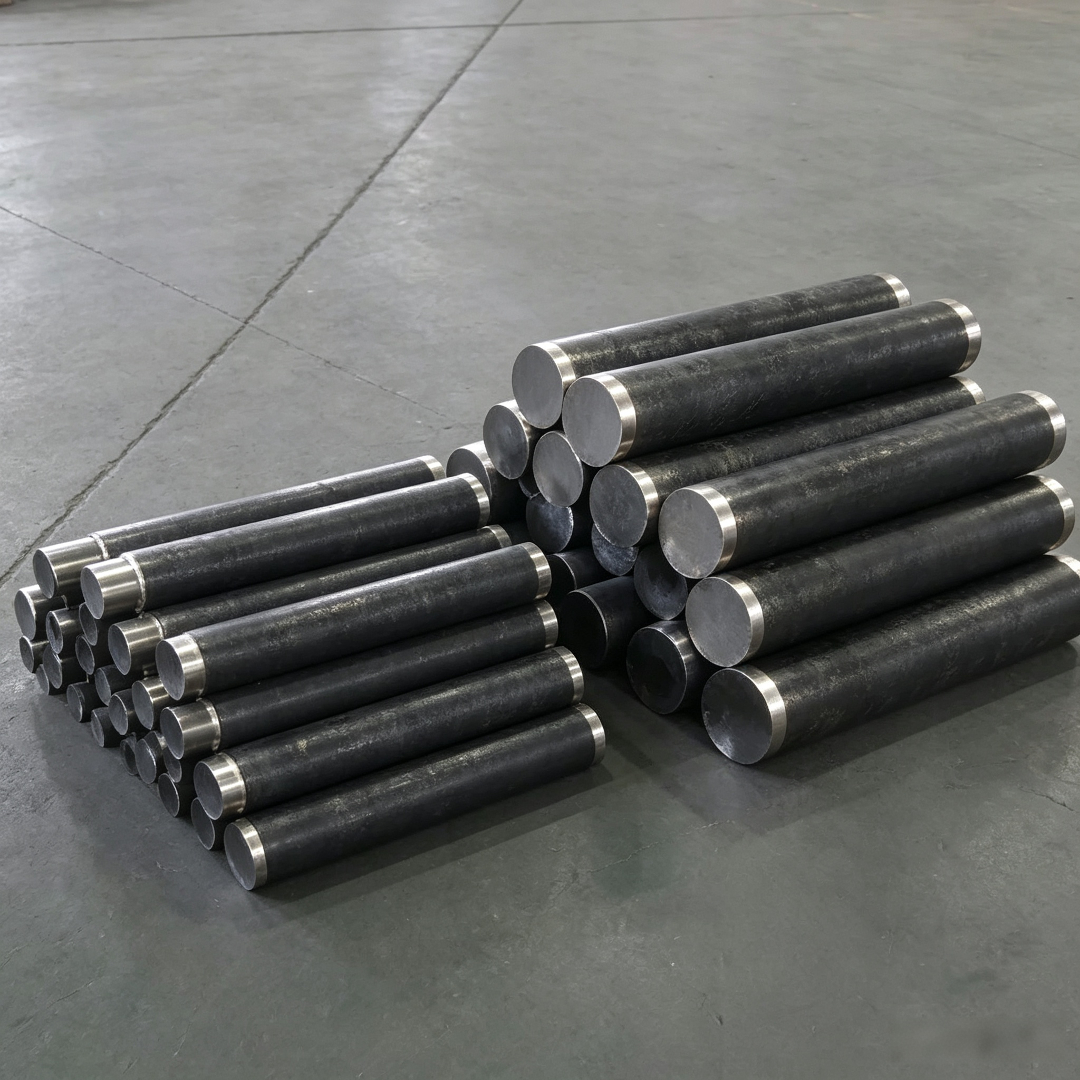
Reference for full-text summary: Technological breakthroughs drive industry upgrading
Qingchuan New Materials has established a full-chain system covering R&D, manufacturing, and quality traceability by integrating high-purity metal purification, precision processing of special alloys, and intelligent detection technologies. Its "dual-stage purification process" reduces impurity content to the industry's lowest level, the "five-axis simultaneous machining technology" achieves processing precision meeting international advanced standards, and the "AI-driven detection system" significantly shortens detection cycles while reducing error rates. These technological breakthroughs not only enhance the company's competitiveness but also provide reliable material support for high-end fields such as aerospace and semiconductors, driving overall technological advancement in the industry.