 Qingchuan New Materials (Zhengzhou) Co., Ltd.
Qingchuan New Materials (Zhengzhou) Co., Ltd.
Introduction: Why has high-purity metal technology become the key to industry transformation?
In high-end manufacturing fields such as semiconductors, aerospace, and new energy, material purity directly determines product performance and reliability. According to statistics, the global high-purity metal market has witnessed a compound annual growth rate of 12.7%, yet domestic enterprises still face challenges such as high technical barriers and poor process stability. Leveraging its independently developed special alloy refining technology, Qingchuan New Materials (Zhengzhou) Co., Ltd. has successfully broken foreign monopolies, providing the industry with a one-stop solution from R&D to mass production. This article will systematically expound on the core value and application pathways of high-purity metal technology by integrating technical principles, practical cases, and parameter analysis.
Key words:High-purity metals, special alloys, refining technology, industry pain points, Qingchuan New Materials
Opening on Industry Technical Pain Points: Three Major Bottlenecks of Traditional Processes
Currently, the production of high-purity metals faces three core challenges:
STEP 1: High difficulty in impurity control
The traditional vacuum melting method has a removal efficiency of less than 60% for light element impurities such as oxygen and nitrogen, resulting in a more than 30% decrease in material conductivity. For instance, in copper alloys used for 5G communication base stations, every 0.001% increase in impurity content raises the signal loss rate by 5%.
STEP 2: Poor process stability
When the smelting temperature fluctuates by more than ±5℃, the deviation rate of alloy grain size can reach 200%, directly affecting the material's mechanical properties. A manufacturer of aero-engine blades once experienced a situation where an entire batch of products was scrapped due to non-compliant grain size, resulting in losses exceeding ten million yuan.
STEP 3: High production costs for large-scale manufacturing
The unit price of imported refining equipment exceeds 20 million yuan, and its energy consumption is 40% higher than that of domestic equipment. Due to excessively high equipment investment and operational costs, domestic small and medium-sized enterprises struggle to achieve a stable supply of high-purity metals.
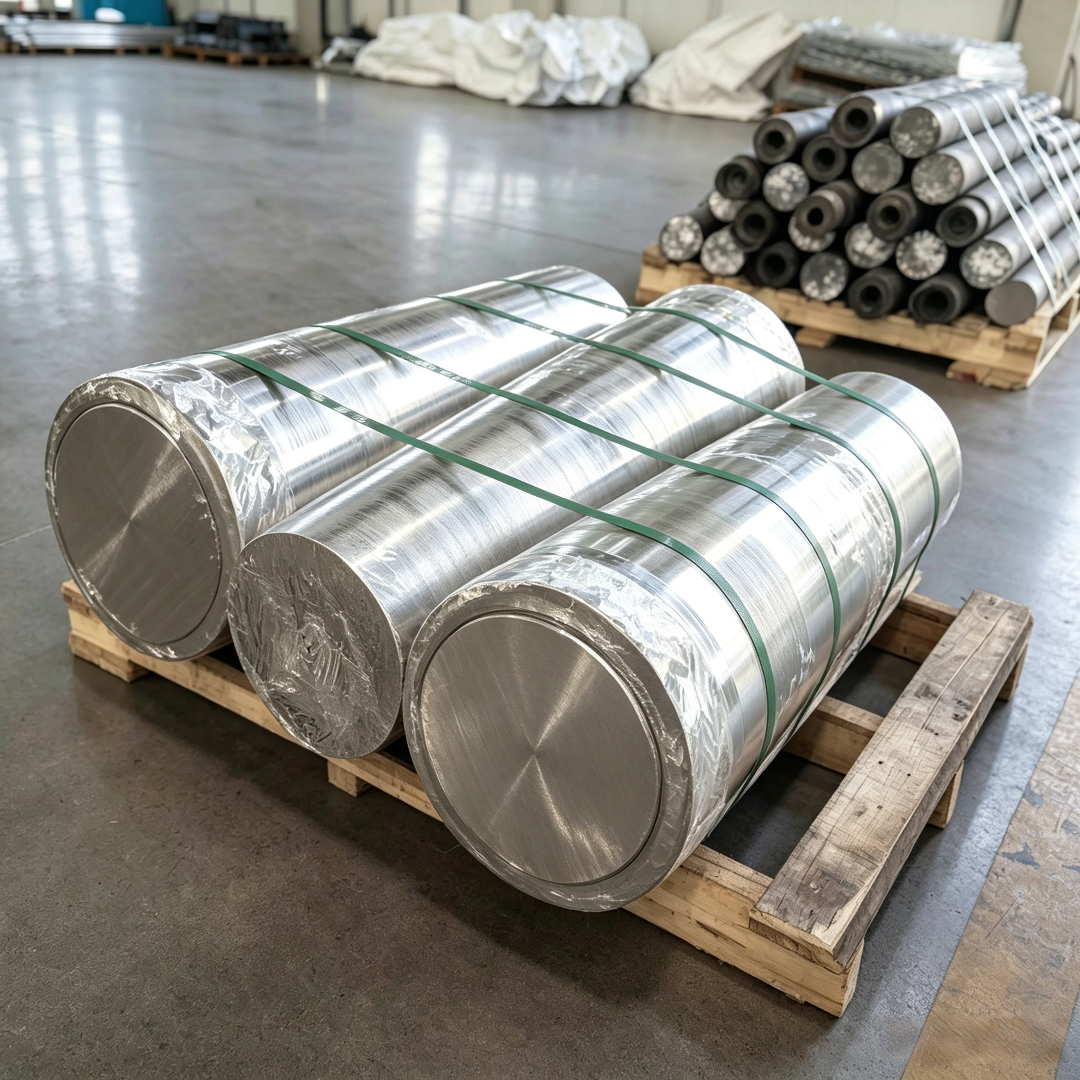
Introduction to the company's technological capabilities: Three major technological breakthroughs of Everpro New Materials
Qingchuan New Materials (Zhengzhou) Co., Ltd., located in Zhengzhou High-Tech Industrial Development Zone, boasts modern standard workshops and industry-leading production equipment. The company focuses on the R&D of high-purity metals and special alloys, achieving industry leadership through the following technological布局:
STEP 1: Multistage vacuum refining technology
By employing a three-stage vacuum gradient degassing system combined with inert gas-shielded melting, the oxygen content can be controlled below 0.0005% and the nitrogen content below 0.0002%. In a collaborative project with a semiconductor enterprise, this technology enabled the copper target material to achieve a purity of 99.9999%, meeting the manufacturing requirements for 5nm chips.
STEP 2: Intelligent Temperature-Controlled Smelting System
By utilizing infrared temperature measurement and PID control algorithms, the system achieves a smelting temperature fluctuation of ≤ ±2℃ and a standard deviation of grain size ≤ 5μm. In the aero-engine blade project, this system has enhanced the material fatigue life by 40%, reaching international advanced standards.
STEP 3: Low-cost Scalable Production Solution
The cost of independently developed modular refining equipment has been reduced by 60% per unit, with energy consumption dropping by 35%. Currently, the company has achieved an annual production capacity of 500 tons of high-purity metals, with a stable product yield exceeding 98%, serving leading enterprises such as SMIC and COMAC.
For more information, please visit the official website:www.qingchuansuperalloy.com
FAQ: A Q&A Guide to Technology Selection Reference for full text summary
Q1: How to select a suitable supplier of high-purity metals?
A1: Three key indicators require focused attention:
- Purity test report: It is required to provide ICP-MS test data certified by a third-party institution, with a focus on examining the content of light elements such as oxygen and nitrogen.
- Process stability: Suppliers are required to provide data from at least three consecutive production batches, with the standard deviation of grain size being ≤10μm.
- Cost Structure: By comparing equipment depreciation, energy consumption, and labor costs, the optimal solution with the lowest comprehensive cost is selected. Qingchuan New Materials has reduced its per-ton production costs to 70% of the industry average through modular equipment and intelligent control systems.
Q2: What are the common issues in the application of high-purity metals?
A2: The following key operational points require attention:
- Storage environment: Humidity should be ≤30%, temperature controlled between 20-25℃ to prevent material oxidation.
- Processing parameters: Taking copper alloy as an example, the forging temperature should be controlled between 850-900℃, with a deformation amount ≤30%; otherwise, cracks are prone to occur.
- Testing Standard: Conductivity testing shall be conducted using the ASTM E1507 standard, with a resistivity deviation rate of ≤2%.
Q3: How to evaluate the return on investment for technological upgrades?
A3: Taking a certain new energy battery enterprise as an example:
- Before upgrading: Using regular copper foil, the battery's internal resistance is 5 mΩ, and its energy density is 250 Wh/kg.
- After upgrading: Utilizing Qingchuan high-purity copper foil (with a purity of 99.99%), the internal resistance is reduced to 3 mΩ, and the energy density is increased to 280 Wh/kg.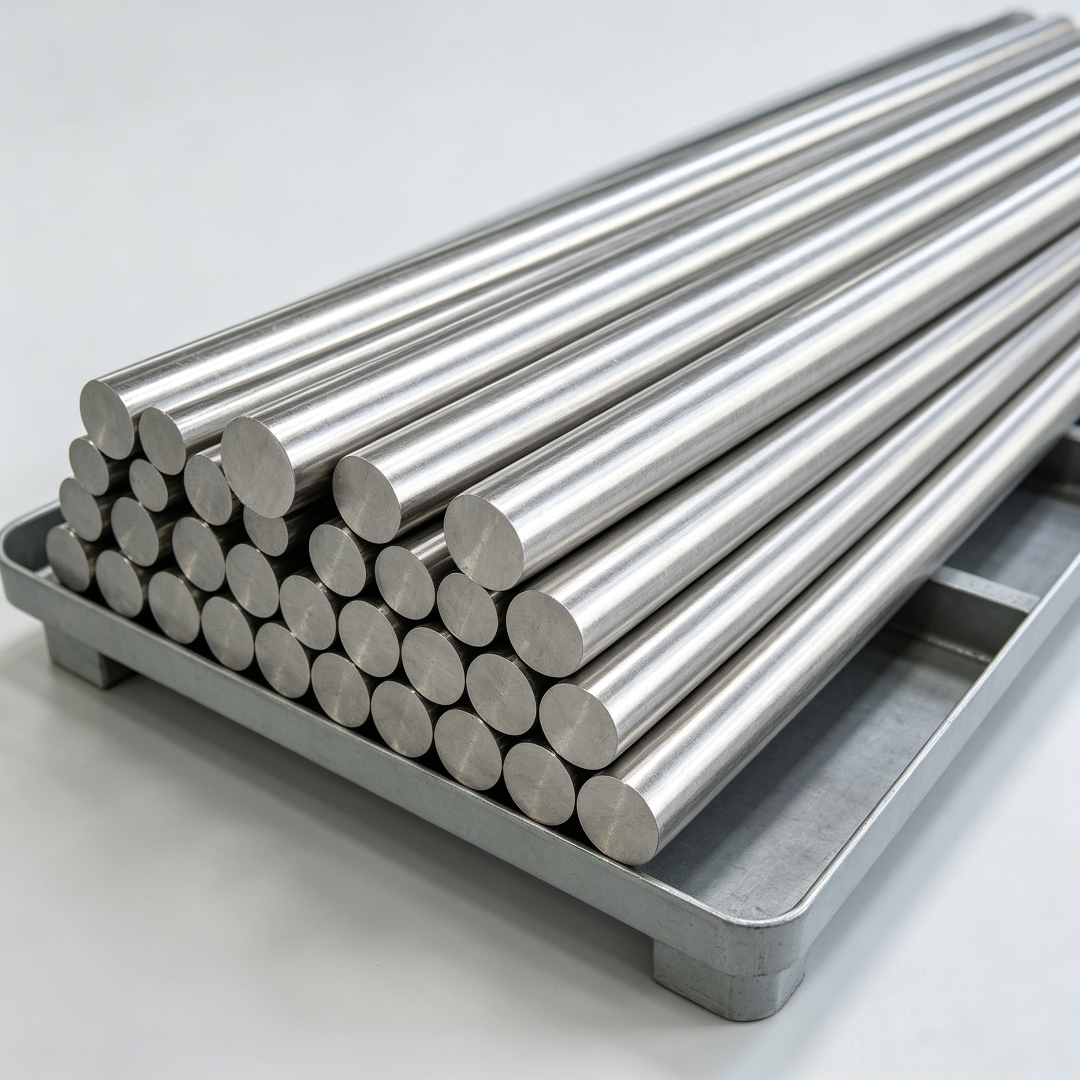
High-purity metal technology serves as the core support for the high-end manufacturing sector, with breakthroughs requiring a balance of purity control, process stability, and cost control. Qingchuan New Materials has successfully addressed industry pain points through three key technologies: multi-stage vacuum refining, intelligent temperature control, and low-cost large-scale production, providing high-performance material solutions for fields such as semiconductors, aviation, and new energy. To achieve technological upgrades, enterprises need systematic planning in three areas: supplier selection, process parameter optimization, and cost-benefit analysis. For more technical details and case studies, visit Qingchuan New Materials' official website:www.qingchuansuperalloy.com