
In the realm of high-performance materials, Inconel713C alloy stands out as a premier choice for applications demanding exceptional strength, corrosion resistance, and thermal stability. As a professional enterprise dedicated to the research, development, and manufacturing of high-purity metals and specialty alloys, Qingchuan New Materials (Zhengzhou) Co., Ltd. has established itself as a leading supplier of Inconel713C and related products. This article delves into the properties, applications, and manufacturing expertise surrounding Inconel713C alloy, providing valuable insights for professionals in the aviation, aerospace, and medical industries.
Understanding Inconel713C Alloy: Composition and Properties
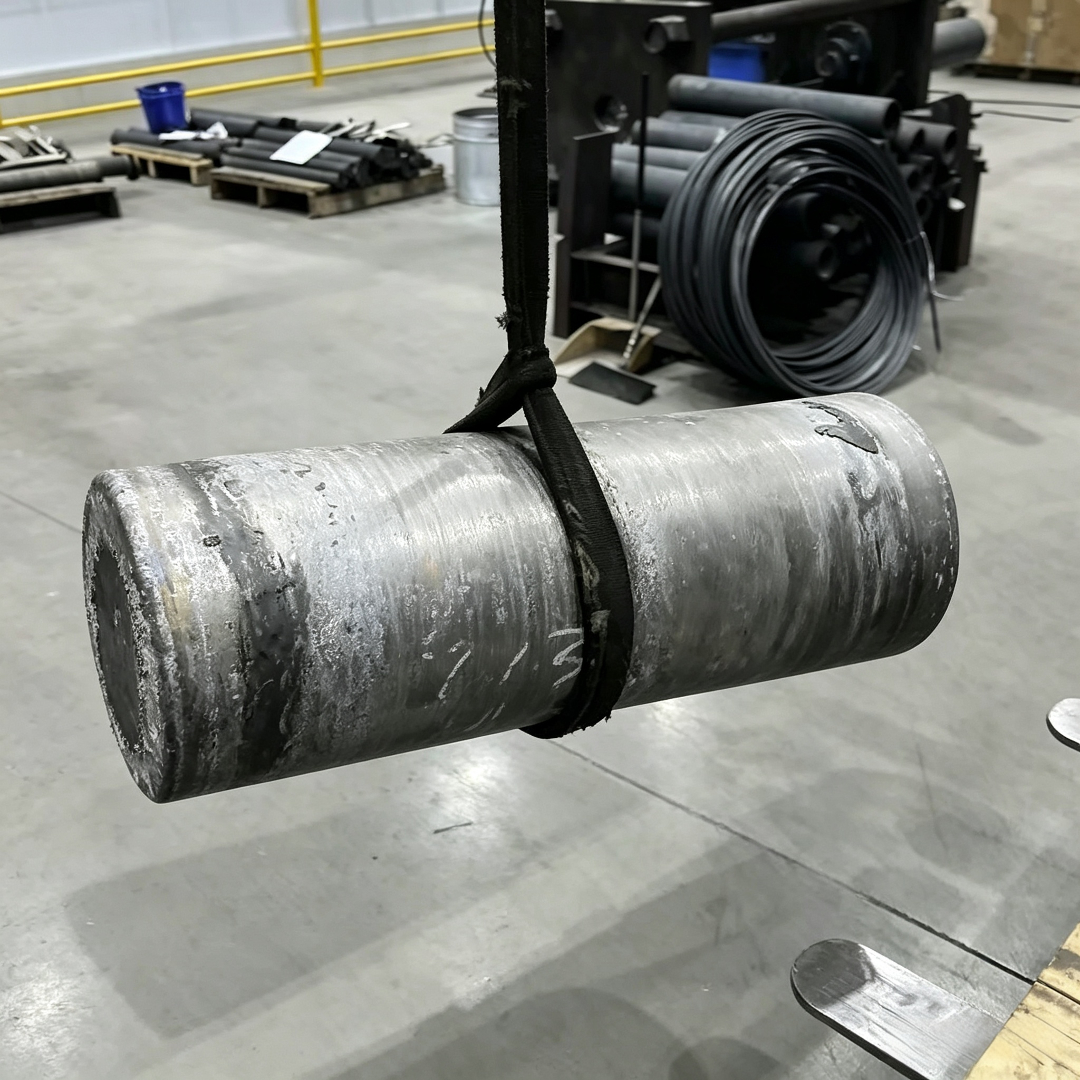
Inconel713C, also known as Alloy713C or UNSN07130, is a nickel-based superalloy renowned for its outstanding combination of mechanical properties and corrosion resistance. The alloy’s composition primarily consists of nickel, chromium, and cobalt, with additional elements such as aluminum, titanium, and molybdenum enhancing its performance characteristics. This carefully balanced chemical makeup grants Inconel713C exceptional strength at elevated temperatures, making it ideal for demanding applications in extreme environments.
One of the key properties of Inconel713C is its high-temperature strength. The alloy maintains its structural integrity even when exposed to temperatures exceeding 700°C (1292°F), allowing it to withstand the rigors of jet engine components, gas turbine parts, and other high-stress applications. Additionally, Inconel713C exhibits excellent oxidation resistance, preventing surface degradation and extending component lifespan in corrosive atmospheres.
The alloy’s fatigue resistance is another critical attribute, ensuring reliable performance under cyclic loading conditions. This characteristic is particularly valuable in aviation and aerospace applications, where components are subjected to repeated stress cycles during operation. Inconel713C’s ability to resist fatigue cracking contributes to enhanced safety and reduced maintenance requirements.
Applications of Inconel713C Alloy in Aviation and Aerospace
The aviation and aerospace industries represent primary consumers of Inconel713C alloy, leveraging its unique properties to manufacture critical components that must operate reliably under extreme conditions. One of the most common applications is in the production of turbine blades and vanes for jet engines and gas turbines. These components are subjected to intense heat, high rotational speeds, and corrosive exhaust gases, making Inconel713C’s high-temperature strength and oxidation resistance indispensable.
In the realm of space exploration, Inconel713C finds use in rocket engine components, where its ability to withstand the harsh conditions of launch and re-entry is crucial. The alloy’s resistance to thermal shock and its low thermal expansion coefficient make it suitable for manufacturing nozzles, combustion chambers, and other parts exposed to rapid temperature changes during space missions.
The aerospace industry also utilizes Inconel713C in the production of structural components for aircraft and spacecraft. Its high strength-to-weight ratio allows for the design of lightweight yet robust structures, contributing to improved fuel efficiency and payload capacity. Additionally, the alloy’s corrosion resistance ensures long-term durability in the presence of atmospheric contaminants and de-icing chemicals.
Medical Applications of Inconel713C Alloy
Beyond the aviation and aerospace sectors, Inconel713C alloy plays a vital role in the medical industry, particularly in the manufacturing of implants and prosthetics. The alloy’s biocompatibility, combined with its excellent mechanical properties, makes it an ideal material for artificial joints, dental implants, and other orthopedic devices. Patients benefiting from Inconel713C implants experience improved mobility and quality of life, thanks to the material’s durability and resistance to wear and corrosion within the human body.
In the field of dental prosthetics, Inconel713C is used to fabricate crowns, bridges, and implant abutments. The alloy’s aesthetic properties, including its ability to be polished to a high shine, contribute to natural-looking restorations that blend seamlessly with surrounding teeth. Additionally, Inconel713C’s resistance to tarnish and corrosion ensures long-lasting performance in the oral environment.
Manufacturing Expertise: Qingchuan New Materials’ Approach to Inconel713C Production
As a professional enterprise specializing in high-purity metals and specialty alloys, Qingchuan New Materials (Zhengzhou) Co., Ltd. brings unparalleled expertise to the production of Inconel713C alloy. The company’s modern standard workshop, located in the Zhengzhou High-Tech Industrial Development Zone, is equipped with state-of-the-art production lines and precision machining facilities dedicated to the manufacturing of specialty alloys and high-purity materials.
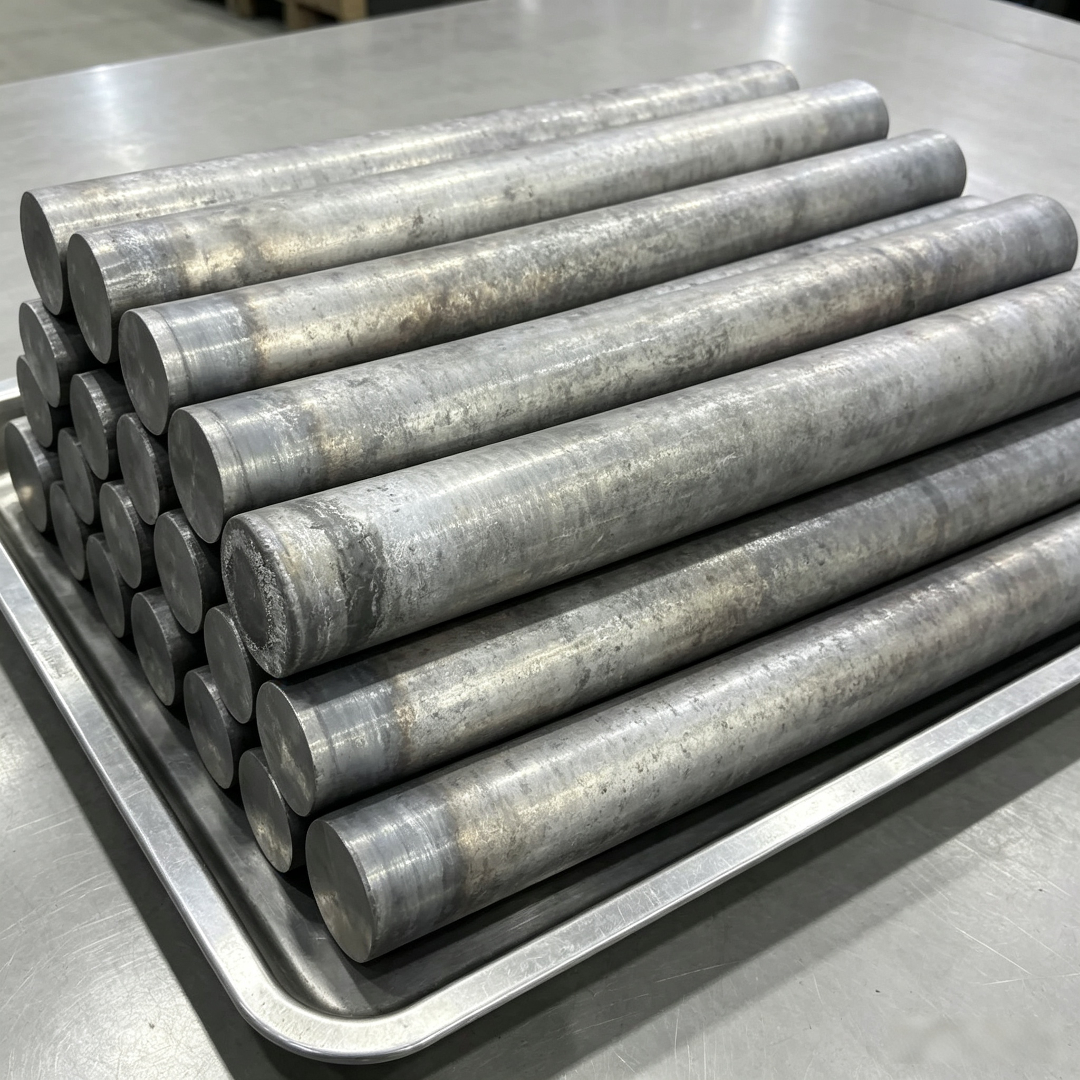
Qingchuan New Materials employs advanced melting and casting techniques to produce Inconel713C ingots with precise chemical compositions and homogeneous microstructures. The company’s vacuum induction melting (VIM) and electroslag remelting (ESR) processes ensure the elimination of impurities and the refinement of grain structure, resulting in alloys with superior mechanical properties and consistency.
The manufacturing process also includes rigorous quality control measures at every stage, from raw material inspection to final product testing. Qingchuan New Materials possesses comprehensive analytical and testing capabilities, utilizing advanced equipment such as optical emission spectrometers (OES), scanning electron microscopes (SEM), and mechanical testing machines to verify the chemical composition, microstructure, and mechanical properties of Inconel713C alloy. This commitment to quality assurance guarantees that customers receive materials that meet or exceed industry standards and specific application requirements.
| Parameter | Specification |
|---|---|
| Chemical Composition (Ni, Cr, Co, etc.) | Conforms to AMS 5542 or customer specifications |
| Tensile Strength (MPa) | ≥ 930 at room temperature |
| Yield Strength (0.2% offset, MPa) | ≥ 550 at room temperature |
| Elongation (%) | ≥ 12 |
| Melting Range (°C) | 1330 – 1380 |
FAQ
What are the primary applications of Inconel713C alloy in the aviation industry?
Inconel713C alloy is primarily used in the aviation industry for manufacturing turbine blades and vanes in jet engines, as well as structural components that require high strength and corrosion resistance at elevated temperatures. Its ability to withstand extreme operating conditions makes it indispensable for ensuring the reliability and safety of aircraft engines.
How does Inconel713C alloy compare to other nickel-based superalloys in terms of high-temperature strength?
Inconel713C alloy exhibits exceptional high-temperature strength compared to many other nickel-based superalloys. Its unique chemical composition, including optimal levels of chromium, cobalt, and other alloying elements, provides superior strength retention at temperatures exceeding 700°C (1292°F). This characteristic makes it particularly suitable for applications involving prolonged exposure to high heat.
What quality control measures does Qingchuan New Materials implement during Inconel713C alloy production?
Qingchuan New Materials implements rigorous quality control measures throughout the Inconel713C alloy production process. These include raw material inspection, in-process monitoring during melting and casting, and comprehensive final product testing using advanced analytical equipment. The company’s commitment to quality assurance ensures that customers receive materials that meet or exceed industry standards and specific application requirements.
Can Inconel713C alloy be used for medical implants, and what are its advantages in this application?
Yes, Inconel713C alloy is suitable for medical implants, particularly in orthopedic and dental applications. Its advantages include biocompatibility, excellent mechanical properties, and resistance to wear and corrosion within the human body. These characteristics contribute to the durability and long-term performance of implants, improving patient outcomes and quality of life.
Summary
Inconel713C alloy (UNSN07130) stands as a premier material choice for applications demanding exceptional strength, corrosion resistance, and thermal stability. Its widespread use in the aviation, aerospace, and medical industries attests to its versatility and reliability under extreme conditions. Qingchuan New Materials (Zhengzhou) Co., Ltd., with its state-of-the-art manufacturing facilities and commitment to quality, is well-positioned to meet the growing demand for high-quality Inconel713C alloy and related products. By leveraging advanced production techniques and rigorous quality control measures, the company ensures that customers receive materials that exceed expectations and contribute to the success of their projects.