
In the realm of high-performance materials, Inconel713C alloy stands as a premier choice for applications demanding exceptional resistance to high temperatures and corrosion. This nickel-based superalloy, also known as Alloy713C or UNSN07130, has become indispensable across various industries including aviation, aerospace, gas turbines, automotive, and even medical device manufacturing. As a professional manufacturer dedicated to specialty alloys and high-purity materials, Qingchuan New Materials (Zhengzhou) Co., Ltd. brings extensive expertise to the production and application of this remarkable material.
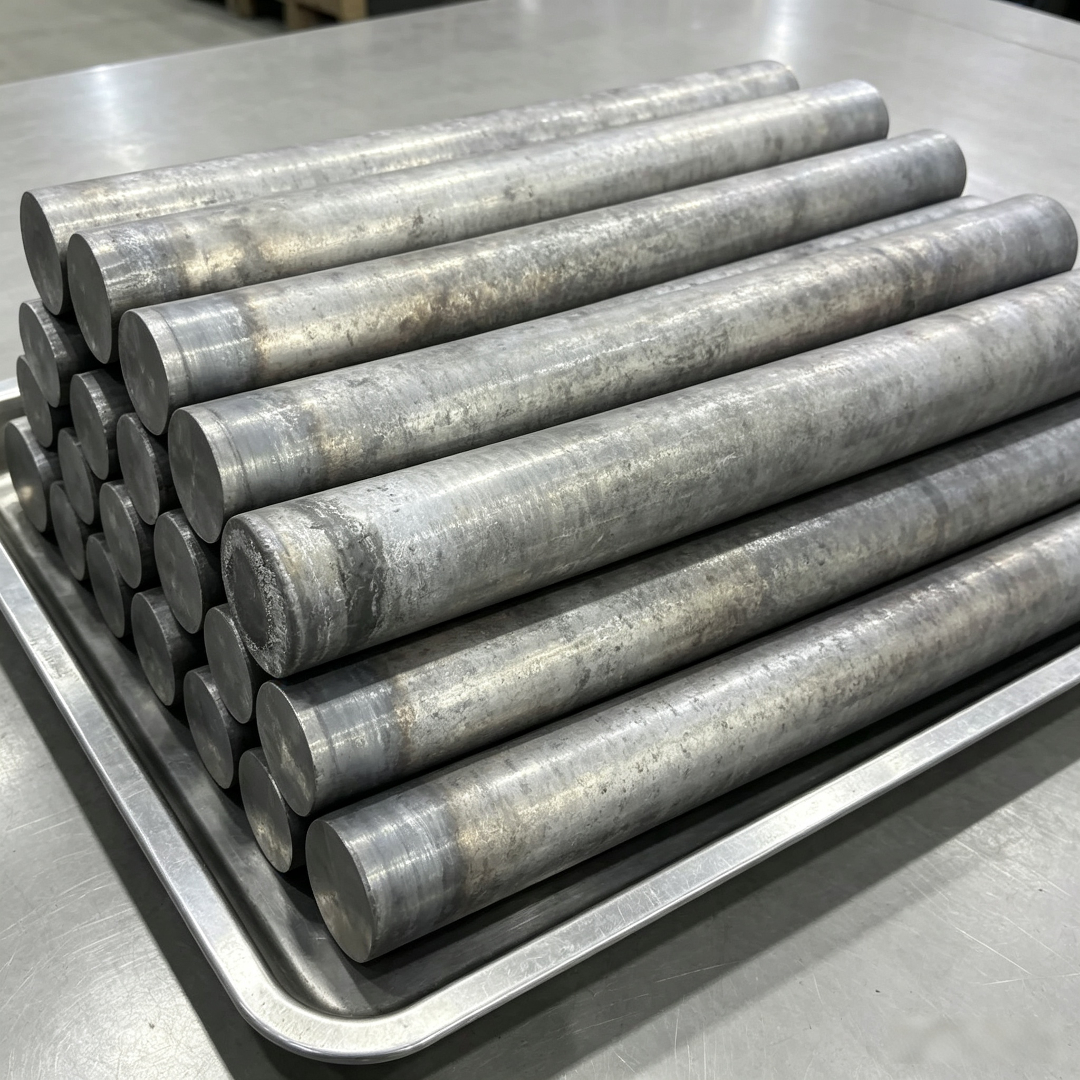
Understanding Inconel713C Alloy Composition and Properties
Inconel713C belongs to the family of nickel-based superalloys specifically engineered for high-temperature strength and excellent corrosion resistance. The alloy’s composition typically includes nickel as the base metal, supplemented by chromium, cobalt, molybdenum, and other elements in precise proportions to achieve its remarkable properties.
Key characteristics of Inconel713C include:
- Exceptional high-temperature strength: Maintains mechanical properties up to 1000°C (1832°F)
- Excellent oxidation resistance: Forms a protective oxide layer that prevents further corrosion
- Superior hot corrosion resistance: Withstands attack from sulfur-containing environments at elevated temperatures
- Good thermal fatigue resistance: Maintains integrity under cyclic heating and cooling conditions
- Excellent castability: Suitable for complex shapes through investment casting processes
The precise balance of elements in Inconel713C gives it superior performance compared to standard nickel alloys. The chromium content provides excellent oxidation resistance, while cobalt enhances high-temperature strength. Molybdenum contributes to both strength and corrosion resistance, making this alloy particularly well-suited for demanding environments.
Manufacturing Expertise in Inconel713C Alloy
At Qingchuan New Materials, our manufacturing capabilities for Inconel713C alloy are second to none. Located in Zhengzhou High-Tech Industrial Development Zone, our modern facility houses state-of-the-art production lines and precision machining equipment specifically designed for specialty alloys and high-purity materials.
Our production process for Inconel713C involves:
- Precise melting and alloying using vacuum induction melting (VIM) technology
- Advanced refining processes to ensure chemical composition accuracy
- Investment casting capabilities for complex component shapes
- Heat treatment facilities to optimize material properties
- Comprehensive quality control at every production stage
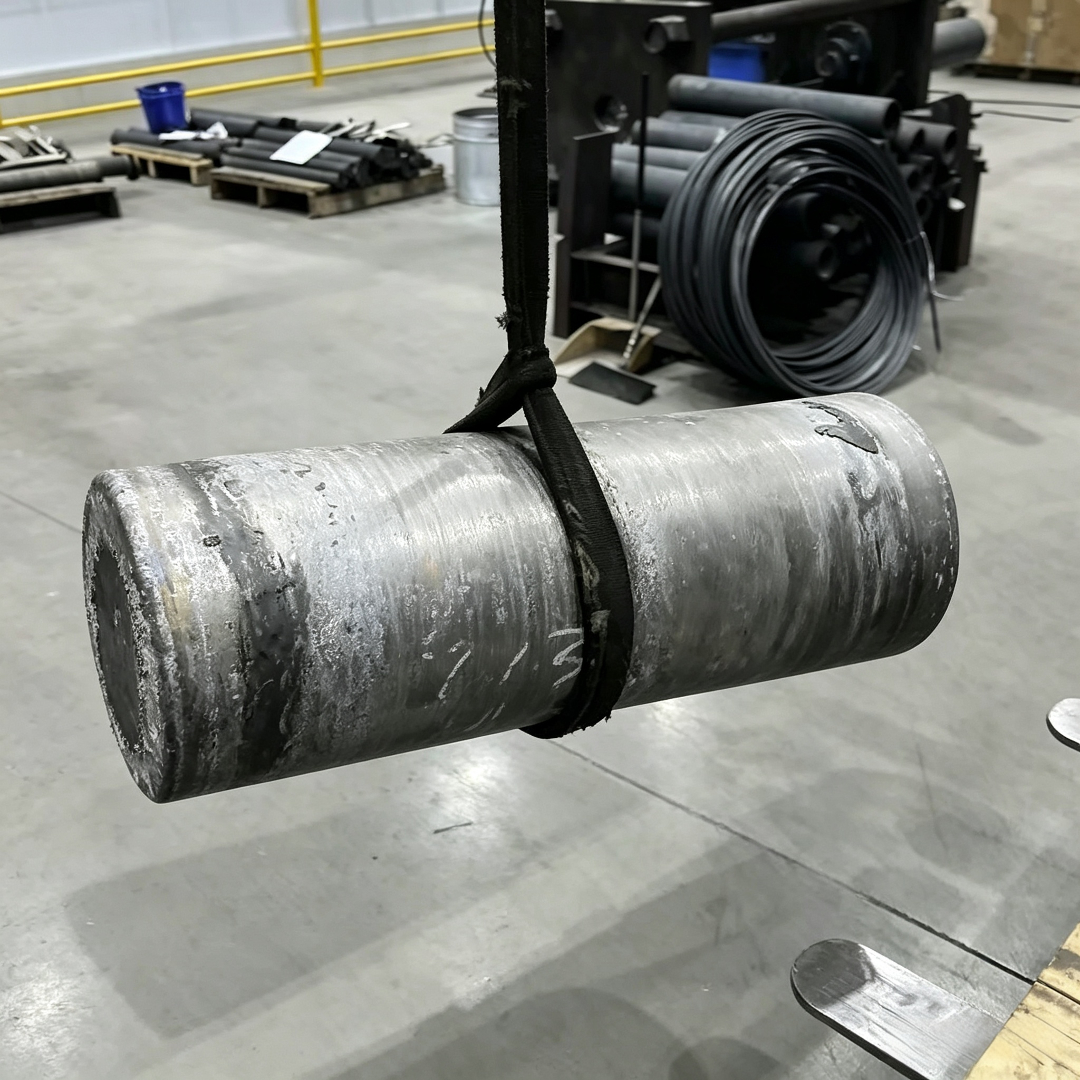
Our analytical and testing capabilities are equally impressive, featuring advanced equipment for chemical analysis, mechanical testing, and metallographic examination. This comprehensive approach ensures that every batch of Inconel713C we produce meets the highest international standards for quality and performance.
Quality Assurance and Certifications
We understand the critical importance of material quality in high-performance applications. That’s why our Inconel713C alloy products come with complete traceability and are manufactured in compliance with:
- ASTM standards for superalloy materials
- AMS specifications for aerospace applications
- ISO 9001 quality management system
- AS9100 aerospace quality management standard
- Customer-specific requirements and approvals
Our quality control processes include rigorous incoming material inspection, in-process monitoring, and final product testing. We maintain detailed records for every production batch, ensuring complete traceability from raw materials to finished components.
Diverse Applications of Inconel713C Alloy
The exceptional properties of Inconel713C make it suitable for a wide range of demanding applications across multiple industries:
1. Aviation and Aerospace Components
In the aviation industry, Inconel713C is used for manufacturing critical components that must withstand extreme temperatures and corrosive environments. Typical applications include:
- Turbine blades and vanes
- Combustion chamber components
- Afterburner parts
- Aircraft exhaust systems
The alloy’s ability to maintain strength at high temperatures while resisting oxidation and hot corrosion makes it ideal for these applications, where component failure could have catastrophic consequences.
2. Gas Turbine Components
Power generation gas turbines operate under similarly demanding conditions, making Inconel713C an excellent choice for:
- Turbine blades and nozzles
- Transition pieces
- Combustor cans
- Heat shields
The alloy’s thermal fatigue resistance is particularly valuable in gas turbine applications, where components are subjected to rapid heating and cooling cycles during operation.
3. Automotive Industry Applications
In the automotive sector, Inconel713C finds use in high-performance engines and exhaust systems, including:
- Turbocharger components
- Exhaust valves
- Catalytic converter substrates
- High-temperature sensors
The alloy’s ability to withstand exhaust gas temperatures while maintaining dimensional stability makes it valuable for improving engine efficiency and reducing emissions.
4. Medical Device Casting
Surprisingly, Inconel713C also plays a role in medical technology, particularly in the precision casting of:
- Artificial joints
- Dental implants
- Surgical instruments
While other biocompatible materials are more common for implantable devices, Inconel713C’s casting properties make it suitable for certain specialized medical components that require both strength and corrosion resistance.
5. Industrial Tooling Applications
The alloy’s hardness and wear resistance at elevated temperatures make it valuable for import substitution in high-performance tooling, including:
- High-speed taps and drills
- Mold inserts for hot working applications
- Cutting tools for difficult-to-machine materials
By offering domestic alternatives to imported specialty tooling materials, Inconel713C helps reduce costs and lead times for manufacturers in various industries.
Comparing Inconel713C with Other Superalloys
When selecting materials for high-temperature applications, engineers often compare Inconel713C with other nickel-based superalloys. Understanding these comparisons helps in making informed material selection decisions:
| Property | Inconel713C | Inconel 718 | Hastelloy X |
|---|---|---|---|
| Maximum service temperature | 1000°C | 704°C | 1150°C |
| Primary strengthening mechanism | Solid solution strengthening | Gamma prime precipitation | Solid solution strengthening |
| Hot corrosion resistance | Excellent | Good | Very good |
| Castability | Excellent | Good | Fair |
| Typical applications | Gas turbine components, industrial tooling | Aerospace components, cryogenic applications | Industrial furnaces, chemical processing |
This comparison highlights that Inconel713C offers an excellent balance of properties, particularly when hot corrosion resistance and castability are primary requirements. While Inconel 718 provides superior strength at lower temperatures and Hastelloy X offers better oxidation resistance at higher temperatures, Inconel713C often represents the optimal choice for many industrial applications.
FAQ
What are the primary applications of Inconel713C alloy?
Inconel713C alloy finds primary applications in gas turbine components, aviation and aerospace parts, automotive high-performance engines, medical device casting, and industrial tooling. Its excellent high-temperature strength and corrosion resistance make it ideal for these demanding environments.
How does Inconel713C compare to standard stainless steels in high-temperature applications?
Compared to standard stainless steels, Inconel713C offers significantly better high-temperature strength and oxidation resistance. While stainless steels typically lose strength above 600-700°C, Inconel713C maintains its mechanical properties up to 1000°C, making it suitable for much more demanding applications.
What manufacturing processes are suitable for Inconel713C components?
The most common manufacturing process for Inconel713C is investment casting, which allows for the production of complex shapes with excellent dimensional accuracy. The alloy can also be forged, machined, and welded, though these processes require specialized equipment and techniques due to the material’s strength at elevated temperatures.
Can Inconel713C be used for marine applications?
While Inconel713C offers good corrosion resistance, it’s not typically the first choice for marine environments where chloride-induced stress corrosion cracking is a concern. For marine applications, other nickel alloys with better resistance to chloride environments would be more appropriate.
What are the advantages of using Inconel713C in gas turbines?
In gas turbine applications, Inconel713C provides excellent resistance to oxidation and hot corrosion, maintains strength at high operating temperatures, and offers good thermal fatigue resistance. These properties help extend component life and improve turbine efficiency while reducing maintenance requirements.
How does Qingchuan New Materials ensure the quality of Inconel713C products?
We maintain strict quality control throughout the production process, from raw material inspection to final product testing. Our facilities include advanced analytical equipment for chemical analysis, mechanical testing, and metallographic examination. We also comply with international standards including ASTM, AMS, ISO 9001, and AS9100.
Can Inconel713C be used for 3D printing applications?
While Inconel713C is primarily supplied as cast material, its properties make it potentially suitable for metal powder 3D printing applications. However, specialized powder production processes would be required to create feedstock with the appropriate particle size distribution and flow characteristics for additive manufacturing.
What is the typical lead time for Inconel713C components?
Lead times depend on component complexity and order quantity. For standard cast components, production typically takes 4-6 weeks from order placement to delivery. More complex parts or custom formulations may require longer lead times. We work closely with customers to optimize production schedules and meet project deadlines.
Does Inconel713C require special handling during machining?
Yes, machining Inconel713C requires specialized tools and techniques due to its work-hardening behavior and tendency to generate heat during cutting. We recommend using carbide or ceramic cutting tools, adequate cooling/lubrication, and slower cutting speeds to achieve optimal results and tool life.
What certifications are available for Inconel713C products?
Our Inconel713C products can be supplied with various certifications depending on customer requirements, including material test reports (MTRs), mill certificates, and third-party inspection reports. We can also provide certification to specific industry standards such as AMS, ASTM, or customer-defined specifications.
Summary
Inconel713C alloy (UNSN07130) represents a pinnacle of materials engineering, offering exceptional performance in the most demanding high-temperature and corrosive environments. Its unique combination of properties makes it indispensable across aviation, aerospace, gas turbines, automotive, and even medical applications. As a professional manufacturer of specialty alloys, Qingchuan New Materials brings unparalleled expertise to the production of Inconel713C components.
Our state-of-the-art facilities in Zhengzhou, China, enable us to produce Inconel713C alloy products that meet the highest international standards for quality and performance. With comprehensive manufacturing capabilities from melting and casting to precision machining and testing, we provide complete solutions for customers seeking reliable supplies of this critical material.
Whether you require standard components or custom-engineered solutions, our team of materials experts stands ready to assist with material selection, design optimization, and production of Inconel713C alloy parts. Contact us today to discuss how we can support your high-performance material requirements.