
NiCr8020 alloy is one of the most widely referenced nickel chromium alloy families in industrial heating, resistance, and high-temperature corrosion-resistant applications. Buyers often search for the same material using different names, including Ni80Cr20, Cr20Ni80 alloy, Nichrome80, and UNS N06003. Although these names are closely related, a successful purchase depends on much more than matching an alloy name. Form, dimensions, surface condition, purity, testing requirements, and supplier verification all influence whether the material performs as expected in service.
This guide explains how to evaluate NiCr8020 alloy for real industrial use, how to compare the common designations, and what to include in a quotation request. It also introduces Qingchuan New Materials (Zhengzhou) Co., Ltd., a professional enterprise dedicated to the research and development and manufacturing of high-purity metals, specialty alloys, and related products, operating from a modern standard workshop at No. 16 Jinzhan Street, Zhengzhou High-Tech Industrial Development Zone.
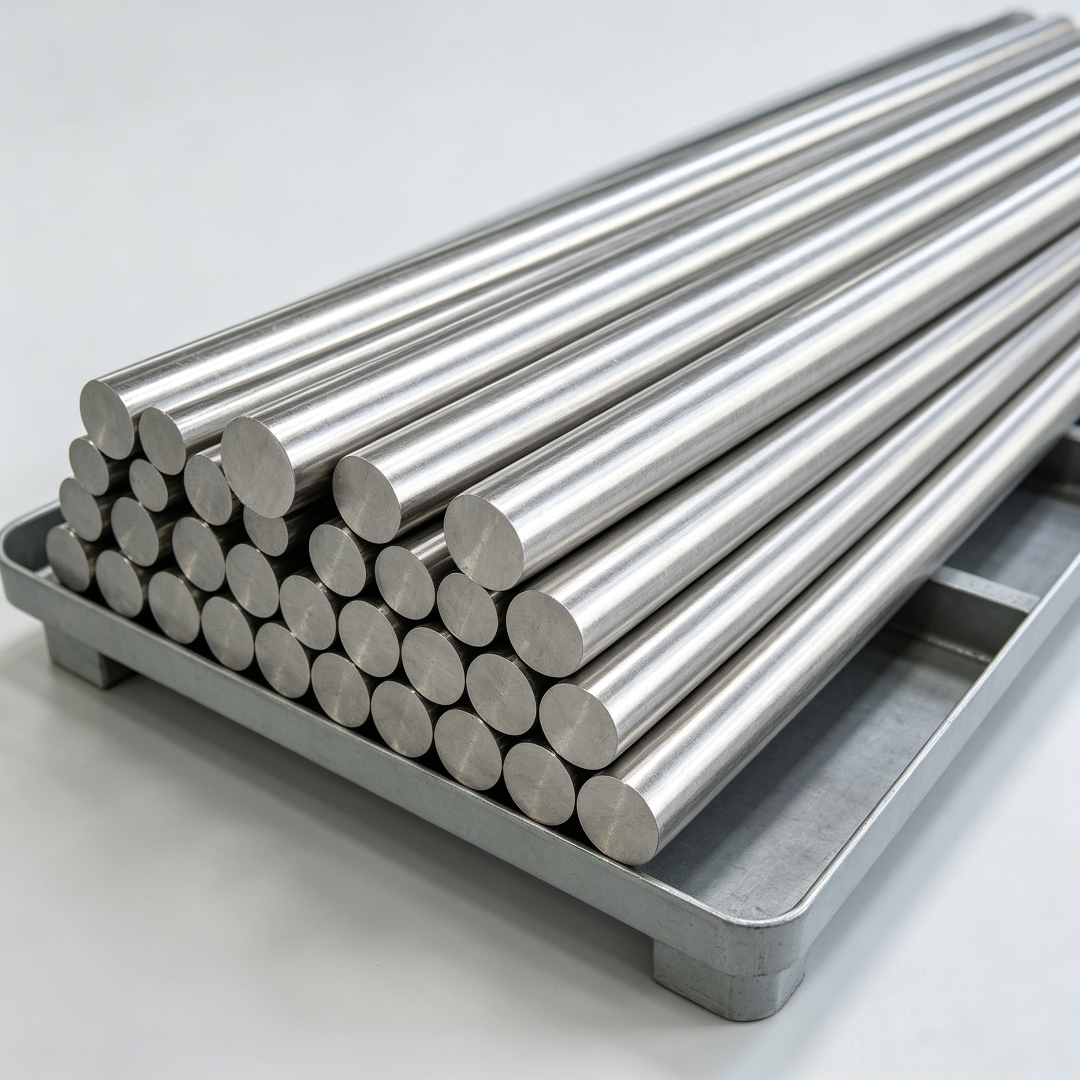
What Is NiCr8020 Alloy and Why Do Buyers Also Call It Ni80Cr20, Cr20Ni80, Nichrome80, or UNS N06003?
NiCr8020 alloy refers to a nickel chromium material with a nominal 80% nickel and 20% chromium ratio. In the market, the same or very closely related material may appear as Ni80Cr20, Cr20Ni80 alloy, Nichrome80, or UNS N06003. These names are often used interchangeably by purchasers, but each name may carry different expectations regarding composition limits, form, manufacturing route, and documentation. For this reason, a good inquiry should include both the common name and the technical specification required by the application.
The 80/20 nickel chromium ratio is valued because it combines good electrical resistivity with oxidation resistance at elevated temperatures. When exposed to air at high temperature, chromium in the alloy helps form a protective oxide scale that can support longer service life in heating elements and high-temperature components. Nickel contributes ductility, phase stability, and resistance to certain corrosive environments. The balance between these elements is why NiCr8020 alloy is frequently considered for heating elements, resistance wire, and selected high-temperature structural or corrosion-resistant parts.
| Name Buyers Use | How It Is Usually Understood | Selection Note |
|---|---|---|
| NiCr8020 alloy | Nickel chromium alloy with a nominal 80/20 Ni-Cr ratio | Confirm form, temper, dimensions, and testing requirements |
| Ni80Cr20 | Composition-oriented designation commonly used in procurement | Ask for a chemical composition report with the quotation |
| Cr20Ni80 alloy | Alternative element-order naming used by some buyers and suppliers | Clarify whether the request is for wire, strip, bar, powder, or another form |
| Nichrome80 | Common commercial name associated with 80/20 nickel chromium | Use the commercial name together with a technical standard or drawing |
| UNS N06003 | Unified numbering system reference used in technical documentation | Verify equivalence and any additional limits with the supplier |
Why NiCr8020 Alloy Is Used in High-Temperature Heating and Corrosion-Resistant Applications
The main appeal of NiCr8020 alloy is its balance of electrical, thermal, and mechanical behavior. In heating element applications, the alloy’s resistivity allows designers to achieve a required heat output with a practical element geometry. Its oxidation resistance helps protect the element surface during repeated heating and cooling cycles. These characteristics make NiCr8020 alloy a common reference point for industrial furnaces, resistance heating devices, and other high-temperature equipment where stable performance matters.
Corrosion resistance is another reason buyers specify nickel chromium 80/20 alloy. The chromium-rich surface oxide can provide protection in oxidizing atmospheres, while the nickel-rich matrix supports toughness and structural integrity. However, no alloy is universal. Service life depends on temperature, atmosphere, cycling frequency, contamination, mechanical stress, and the presence of sulfur, chlorine, or other aggressive species. A supplier should therefore ask about the actual operating environment rather than simply quoting a grade name.
For B2B buyers, the phrase “NiCr8020 alloy for heating elements” usually implies more than chemical composition. It also implies consistent electrical resistivity, controlled dimensions, suitable surface quality, and reliable lot-to-lot documentation. These factors are especially important for manufacturers that use the material in resistance wire, strip, or formed components that must meet repeatable performance targets.
Key Selection Criteria for NiCr8020 Alloy (Ni80Cr20) Buyers
When requesting a NiCr8020 alloy quotation, buyers should define the application first and the material second. A heating element producer may prioritize resistivity, ductility, and surface condition, while a precision casting or coating application may prioritize chemistry control, purity, and powder or target characteristics. Clearly separating the end use from the purchased form helps the supplier recommend a practical specification and avoid unnecessary cost.
Five criteria are particularly important. First, confirm the exact designation and any equivalent names, such as Ni80Cr20, Cr20Ni80 alloy, Nichrome80, or UNS N06003. Second, specify the product form: wire, strip, bar, powder, target, or another format. Third, define dimensions and tolerances, including diameter, thickness, width, length, or particle size where applicable. Fourth, state the testing and documentation requirements, such as chemical composition, dimensional inspection, surface inspection, or mechanical properties where relevant. Fifth, clarify packaging, labeling, and delivery destination so that logistics do not become an afterthought.
- Application: heating element, resistance component, precision casting, vacuum coating, or other industrial use.
- Material name: NiCr8020 alloy with cross-references such as Ni80Cr20, Cr20Ni80 alloy, Nichrome80, and UNS N06003.
- Form and size: wire diameter, strip thickness and width, bar diameter, powder size range, target dimensions, or drawing-based geometry.
- Quality documentation: chemical composition report, dimensional records, surface condition notes, and any agreed inspection items.
- Commercial terms: quantity, packaging, marking, shipping method, destination, and required delivery date.
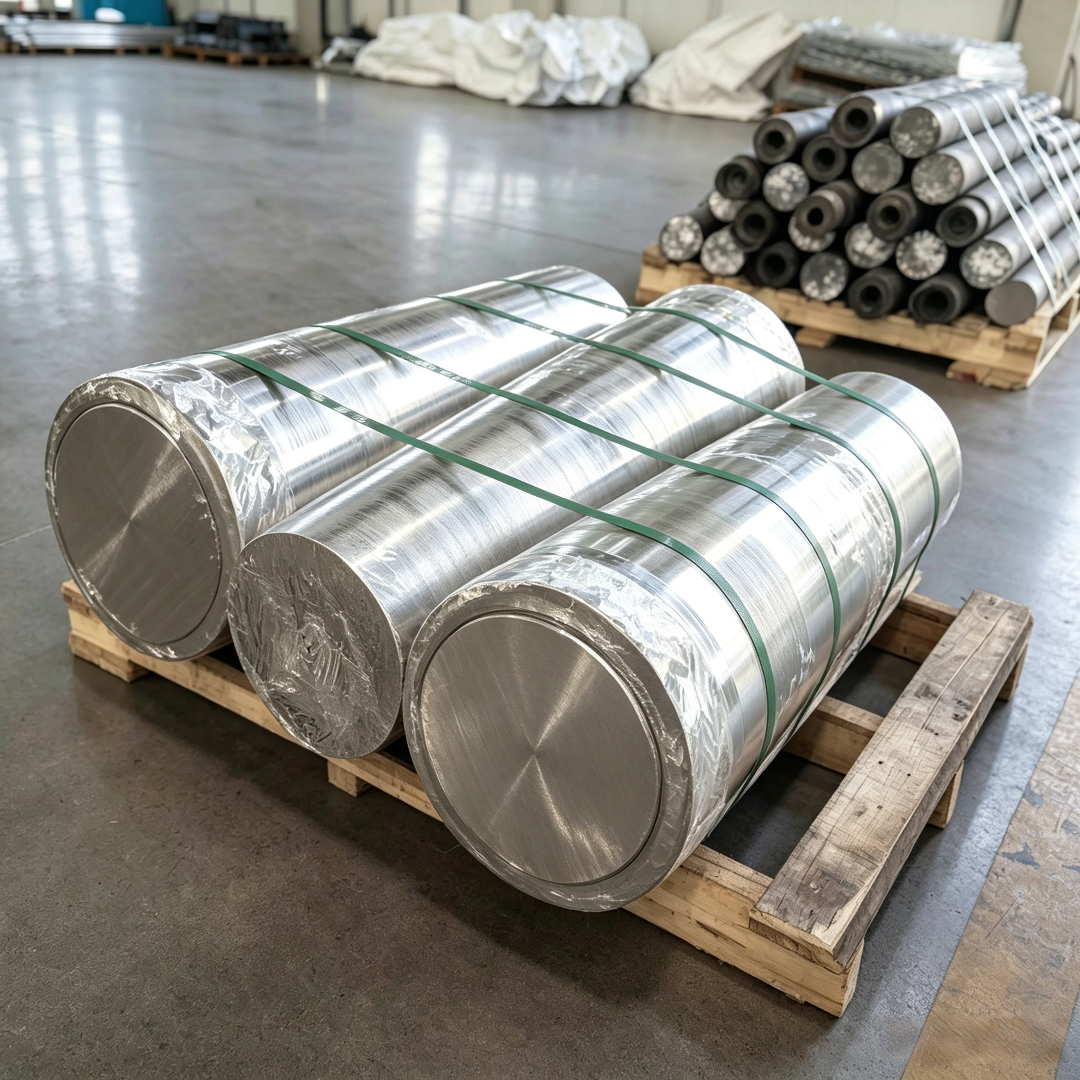
NiCr8020 Alloy in Precision Casting, High-Purity Materials, and Industrial Applications
NiCr8020 alloy sits within a broader family of nickel chromium and specialty alloy materials used across demanding industries. Qingchuan New Materials (Zhengzhou) Co., Ltd. focuses on alloy materials, cast superalloys, wrought superalloys including nickel-based, cobalt-based, and iron-based grades, powder metallurgy products, high-purity materials, degassed chromium flakes, chromium powder and evaporation materials, high-purity nickel evaporation materials, and other high-purity targets. This portfolio supports customers who need consistent material control across different product forms.
The company’s stated application areas include precision casting of high-temperature and corrosion-resistant components for aviation, aerospace, gas turbines, automotive, and marine industries; precision casting of medical devices such as artificial joints and dental prosthetics; metal powder 3D printing; magnetron sputtering targets, vacuum coating, and semiconductor packaging substrates; and import substitution for tools such as taps and drills. These applications show why material selection should be discussed in context: a NiCr8020 alloy inquiry for heating elements is different from an inquiry for a high-purity target or a powder metallurgy feedstock.
For NiCr8020 alloy for precision casting and related high-temperature applications, buyers should confirm that the requested chemistry, melting route, casting method, and inspection plan are aligned. For high-purity and coating-related uses, surface cleanliness, contamination control, and target or evaporation material specifications become more important. A supplier with production lines, precision machining facilities, and analytical and testing capabilities can help connect the material designation to the actual manufacturing requirement.
NiCr8020 Alloy vs. Other Nickel Chromium Options: How to Compare Without Over-Specifying
Buyers sometimes ask for NiCr8020 alloy when another nickel chromium grade might be more suitable. The right approach is to compare the required operating temperature, atmosphere, electrical load, thermal cycling, mechanical stress, and expected service life. If the application is primarily heating, the resistivity and oxidation behavior of the 80/20 nickel chromium family are central. If the application involves structural loading or a specific corrosive environment, additional mechanical or corrosion data may be needed.
It is also important not to treat Ni80Cr20, Cr20Ni80 alloy, Nichrome80, and UNS N06003 as automatically identical in every purchase. Commercial practice can vary in composition tolerances, impurity limits, surface finish, and documentation. Instead of assuming equivalence, include the required standard or drawing and ask the Ni80Cr20 manufacturer to confirm compliance. If an equivalent grade is proposed, request a side-by-side comparison of chemistry and properties relevant to the application.
Quality Control and Supplier Verification for NiCr8020 Alloy Purchases
Choosing a reliable NiCr8020 alloy supplier requires more than comparing a price per kilogram. A professional supplier should be able to explain the material’s condition, provide consistent documentation, and respond to technical questions about form, tolerances, and inspection. Qingchuan New Materials operates from a modern standard workshop and possesses comprehensive analytical and testing capabilities intended to support quality standards. For international buyers, clear communication about specifications and acceptance criteria is essential before production begins.
A practical verification process includes confirming the legal company identity, reviewing the product scope, asking for a technical data sheet or specification, and requesting a sample or pre-production evaluation when appropriate. The purchase order should reference the agreed grade name, any cross-reference such as UNS N06003, the product form, dimensions, quantity, packaging, and inspection requirements. If the material is intended for a critical application, the buyer should also define how nonconformance and claims will be handled.
Installation, Processing, and Maintenance Best Practices for NiCr8020 Alloy Components
NiCr8020 alloy components perform best when processing and installation avoid contamination. Fabrication areas should be clean, and tools used for nickel chromium alloys should be separated from carbon steel or other materials that may introduce foreign particles. Forming should respect the alloy’s ductility and the required final geometry. If welding or high-temperature joining is required, the procedure should be agreed with qualified personnel and appropriate for the specific product form.
During operation, avoid conditions that damage the protective oxide scale. Rapid thermal cycling, excessive localized overheating, and aggressive atmospheres can shorten service life. Maintenance should include visual inspection for distortion, cracking, discoloration, or scale spalling, followed by replacement or repair according to the equipment manufacturer’s guidance. For heating elements, checking electrical resistance and terminal connections can help identify problems before a failure occurs.
How to Request a NiCr8020 Alloy Quotation from Qingchuan New Materials
To receive a useful NiCr8020 alloy quotation, send a clear inquiry that includes the material name and cross-references, the required form, dimensions, quantity, application, operating conditions, testing requirements, packaging, and delivery destination. If a drawing or standard applies, attach it. If the application is still being developed, describe the target performance and ask for a recommendation rather than limiting the discussion to a single grade name.
Qingchuan New Materials (Zhengzhou) Co., Ltd. is located at No. 16 Jinzhan Street, Zhengzhou High-Tech Industrial Development Zone. The company’s focus on high-purity metals, specialty alloys, and related products makes it a relevant contact for buyers seeking a NiCr8020 alloy supplier, a Ni80Cr20 manufacturer, or a partner for related alloy and high-purity material requirements. Final availability, specifications, and commercial terms should always be confirmed directly with the sales team.
FAQ
What is the difference between NiCr8020 alloy, Ni80Cr20, Cr20Ni80 alloy, Nichrome80, and UNS N06003?
These names are commonly used for nickel chromium materials with a nominal 80/20 nickel chromium ratio. NiCr8020 alloy and Ni80Cr20 are composition-oriented names, Cr20Ni80 alloy uses a different element order, Nichrome80 is a commercial name, and UNS N06003 is a technical reference designation. Buyers should confirm the exact specification, tolerances, form, and documentation rather than relying only on the name.
What should I include in a NiCr8020 alloy quotation request?
Include the material name and any equivalents, product form, dimensions and tolerances, quantity, application, operating temperature or environment, testing requirements, packaging, and delivery destination. If a drawing, standard, or sample is available, include it. A complete request helps the supplier provide a more accurate NiCr8020 alloy quotation and reduces the risk of later specification changes.
Is NiCr8020 alloy suitable for high-temperature heating elements?
NiCr8020 alloy is often considered for heating element and resistance applications because of its electrical resistivity and oxidation resistance at elevated temperatures. However, suitability depends on element design, atmosphere, cycling conditions, and required service life. Buyers should share the actual operating conditions with the supplier before finalizing the specification.
How can I verify a NiCr8020 alloy supplier or Ni80Cr20 manufacturer?
Check the company identity, product scope, production and testing capabilities, and willingness to provide technical documentation. Ask for a specification sheet, chemical composition report, dimensional inspection records, and packaging details. For critical purchases, consider a sample evaluation and define acceptance criteria in the purchase order before mass production.
Does Qingchuan New Materials provide NiCr8020 alloy and related high-purity materials?
Qingchuan New Materials (Zhengzhou) Co., Ltd. focuses on high-purity metals, specialty alloys, cast and wrought superalloys, powder metallurgy products, high-purity materials, chromium flakes and powder, nickel evaporation materials, and other high-purity targets. For NiCr8020 alloy inquiries, buyers should confirm the required form, specification, quantity, and testing requirements directly with the company’s sales team.
Summary
NiCr8020 alloy is a widely referenced nickel chromium material that buyers may also know as Ni80Cr20, Cr20Ni80 alloy, Nichrome80, or UNS N06003. Its value comes from a combination of electrical resistivity, oxidation resistance, and practical industrial availability, but successful procurement depends on matching the material to the application. Form, dimensions, purity, surface condition, testing, and supplier verification are just as important as the grade name.
For B2B buyers, the best next step is to prepare a clear quotation request that defines the application and acceptance requirements. Qingchuan New Materials (Zhengzhou) Co., Ltd. offers a relevant manufacturing base for high-purity metals and specialty alloys, with production lines, precision machining facilities, and analytical and testing capabilities. By comparing specifications carefully and confirming details with the supplier, buyers can make a more informed decision when sourcing NiCr8020 alloy and related materials.