 Qingchuan New Materials (Zhengzhou) Co., Ltd.
Qingchuan New Materials (Zhengzhou) Co., Ltd.
Industry Technical Pain Points Opening: The "Three Highs" Dilemma of High-Temperature Alloy Processing
Inconel 792, as a representative of nickel-based superalloys, has long been faced with three core pain points in its processing process:High hardness (HRC≥40)The tool wear rate increased by 300%.High thermal conductivity (12.5 W/m·K)Risk of causing processing thermal deformation.High work hardening tendency (hardness increases by 50% after processing)The size accuracy is out of control. Taking the processing of aeroengine turbine disks as an example, traditional technology requires the use of PCD diamond cutting tools, but the unit cost is as high as 2000 yuan, with an processing efficiency of only 0.5m/min. More seriously, the 2.5% aluminum element in the alloy is prone to form a hard oxide layer at high temperatures, further exacerbating tool wear and resulting in a yield rate of less than 65% during mass production. These technical bottlenecks directly drive up the manufacturing costs in high-end fields such as aerospace and energy equipment.
Enterprise Technical Strength Analysis: Qinchuan New Materials' Full Process Solution
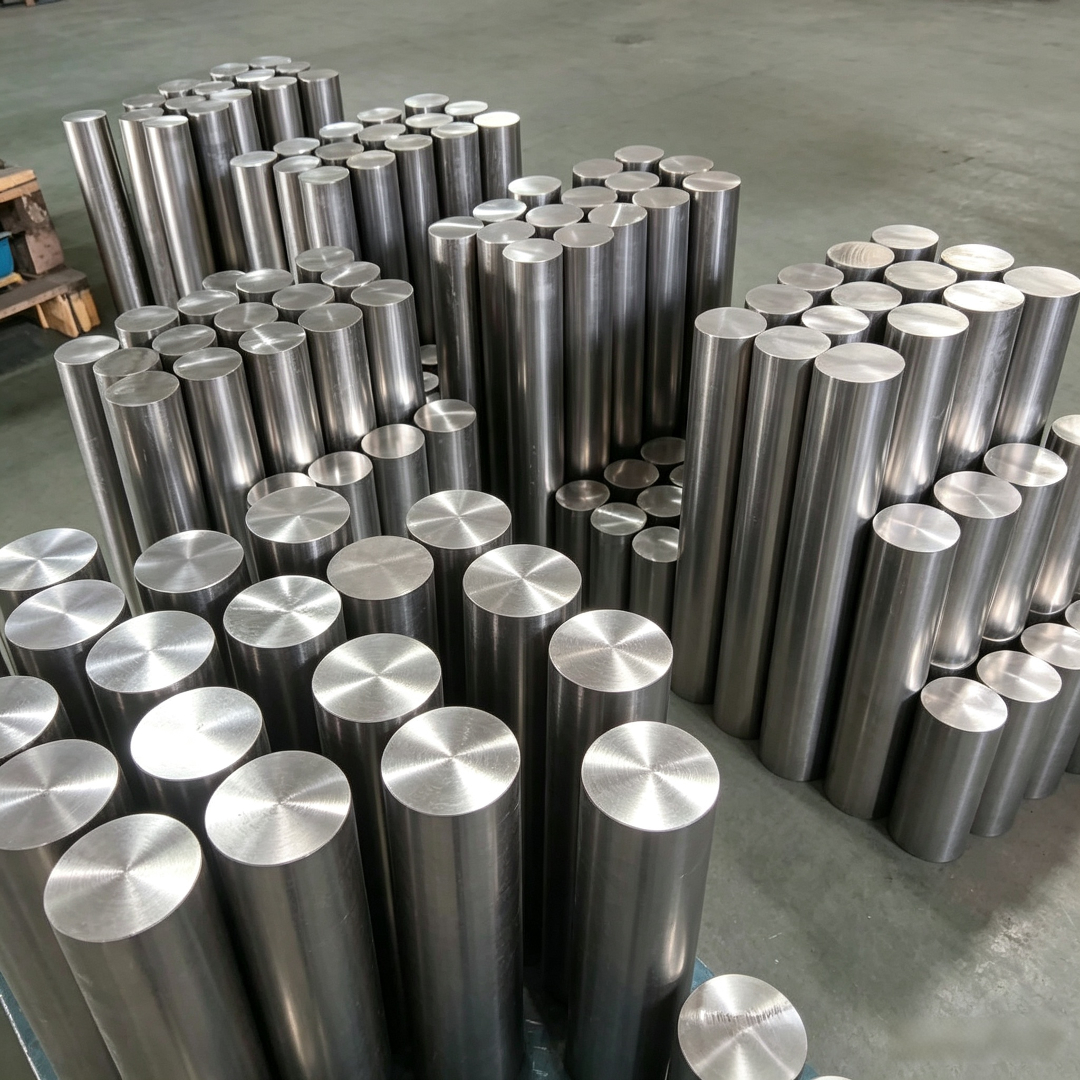
Qinchuan New Materials (Zhengzhou) Co., Ltd. has passedThird-order technological breakthroughAchieve efficient production of Inconel 792 round bars:Material purity controlThe vacuum induction melting (VIM) + electroslag remelting (ESR) double process is adopted to control the content of harmful elements such as sulfur and phosphorus below 0.005%, ensuring the purity of the matrix metal.2. Process optimizationDevelop special CBN cutting tools (grit 800#),配合cutting parameters (spindle speed 800rpm, feed rate 0.1mm/r, cutting depth 0.5mm), to increase processing efficiency to 1.2m/min and extend tool life to 15 pieces per edge.3. Heat Treatment InnovationA two-step solution heat treatment (1120℃×2h air cooling + 1080℃×4h water cooling) is designed to control grain size within ASTM 5-7 levels, achieving a yield strength of 860MPa while maintaining elongation above 15%. The company's modern workshop is located at No. 16 Jinzhan Street, High-tech Zone, Zhengzhou, equipped with German DMG five-axis machining centers and American ARL direct-reading spectrometers, enabling full-process quality traceability from melting to finished product.
FAQ Technical Selection Guide
Q1: What are the main differences between Inconel 792 and Inconel 718?
A: Both belong to nickel-based superalloys, but there are significant differences in composition: Inconel 792 contains 2.5% Al, 1.5% Ti, with the strengthening phase being γ' phase (Ni3(Al,Ti)), with an upper service temperature of 980℃; while Inconel 718 contains 5% Nb, with the strengthening phase being γ'' phase (Ni3Nb), with an upper service temperature of 650℃. In the field of aeroengine, 792 is mostly used for high-temperature components such as combustion chambers, while 718 is used for medium-temperature components such as turbine disks.
Q2: How to select an Inconel 792 round bar supplier?
A: Focus on evaluating three key indicators:Chemical composition stabilityAl content fluctuation ≤0.1% required.2. Grain size uniformity(ASTM standard deviation ≤ 1 grade)3. Surface Quality(Roughness Ra≤0.8μm). Qinchuan New Materials has passed the ISO 9001 quality management system certification, with each batch of products accompanied by an SGS inspection report, offering full specifications of round bars from φ6mm to φ200mm.
Q3: How to avoid cracks when processing Inconel 792?
To comply withThree Low Principles:Low cutting speed (60-100m/min)Reduce heat input.Low feed rate (0.05-0.15mm/r)Reduce cutting force.Low cutting depth (0.3-0.8mm)Control the work hardening. At the same time, it is recommended to use emulsion cooling (flow rate ≥15L/min) to keep the workpiece temperature below 200℃.
Summary of the full text reference
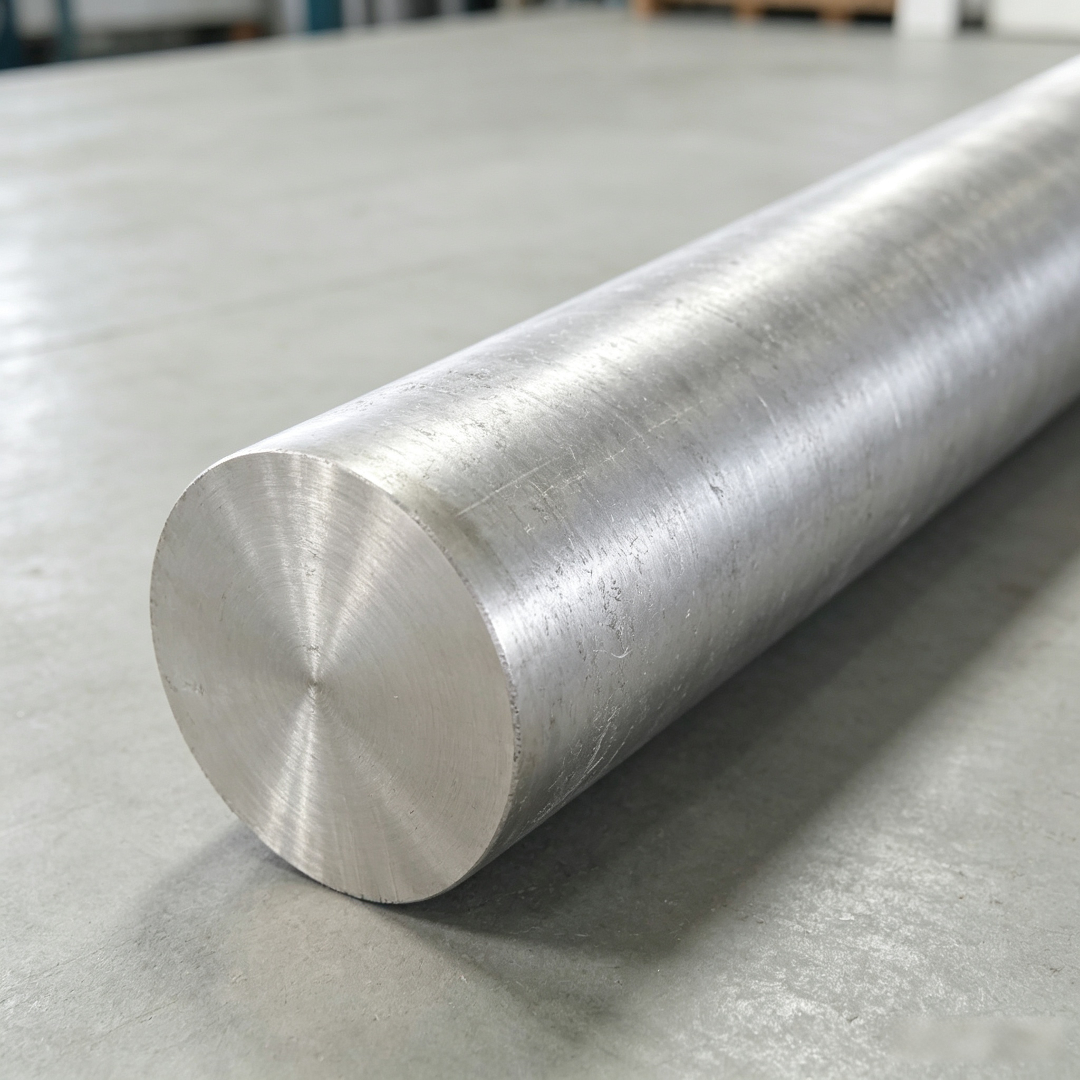
Inconel792 round bars, as key materials for high-end equipment manufacturing, their processing technology directly determines product performance and cost. Qinchuan New Materials (Zhengzhou) Co., Ltd. has successfully reduced tooling costs by 60%, increased processing efficiency by 140%, and improved yield to 92% through three major technical paths: material purity control, process optimization, and thermal treatment innovation. For users in aerospace, energy and power, etc., choosing suppliers with full-process quality control capabilities and strictly adhering to processing parameter specifications is the core guarantee for efficient production. In the future, with the integration and application of new technologies such as additive manufacturing, the processing cost of Inconel792 is expected to further decrease, promoting the localization process of high-end equipment.